
Middle East ceasefire extension highlights limits of U.S. military strategy on Iran
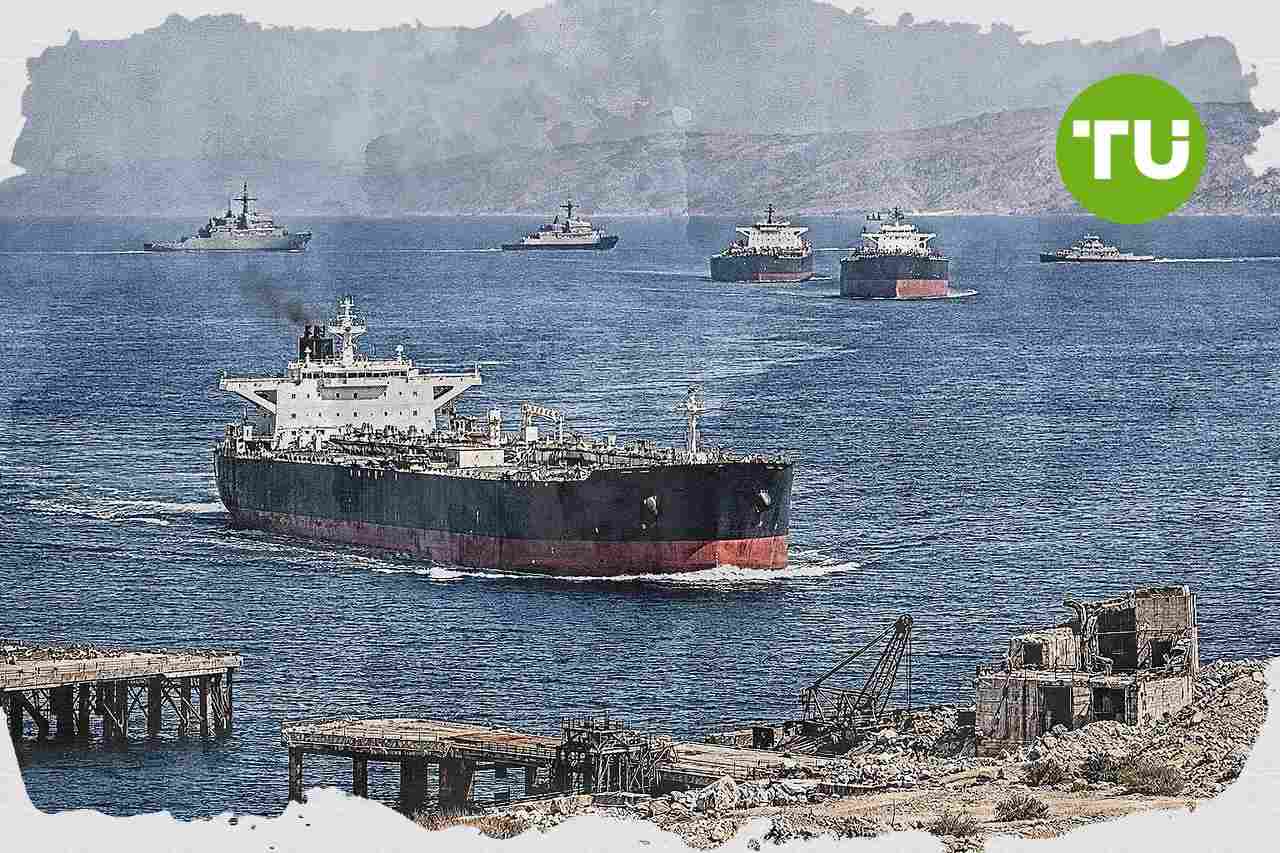
A planned agreement in Geneva aims to extend the current Iran ceasefire for 60 days, reopening the Strait of Hormuz gradually and linking nuclear talks to phased sanctions relief. The arrangement points to a compromise with no clear winner and leaves major risks around Israel, Lebanon and regional energy security still unresolved.
Highlights
- The Geneva agreement extends the ceasefire for 60 days, enabling phased U.S. sanctions relief and gradual reopening of the Strait of Hormuz in exchange for Iran entering nuclear talks.
- Israel opposes the deal due to the required halt to its Hizbollah campaign, raising risks the ceasefire could unravel and spark renewed military confrontation involving Iran.
- Gulf states like Saudi Arabia, Qatar and UAE support restored shipping through Hormuz, but persistent infrastructure damage and lingering security threats limit the region's economic recovery and strategic clarity.
Geneva deal sets out a temporary framework
As reported by Financial Times, the agreement due to be signed in Geneva on Friday is not presented as a permanent settlement but as a 60-day extension of the current ceasefire. It is designed to allow a gradual reopening of the Strait of Hormuz, the lifting of the U.S. blockade on Iran and the start of negotiations over Tehran's nuclear programme in exchange for a phased easing of sanctions.The arrangement underlines how difficult a military solution has proved for Washington and its allies. U.S. hardliners had pushed for regime change in Tehran or a full dismantling of Iran's nuclear programme, but the deal instead reflects a negotiated pause, while concerns remain in Washington that sanctions relief and access to unfrozen assets could help Iran rebuild its military capabilities and regional network.
Even with the accord in place, the ceasefire appears vulnerable to breakdown. The Israeli government is unhappy, especially over the requirement that its campaign against Hizbollah in Lebanon must end, and any renewed exchange involving northern Israel could trigger retaliation that pulls Iran back into direct confrontation.
Regional tensions and energy risks remain
The Gulf states have strong economic reasons to support any settlement that restores shipping through the Strait of Hormuz and improves confidence in regional stability. Saudi Arabia, Qatar and the United Arab Emirates all depend on the secure flow of energy exports, but a fragile peace marked by sporadic missile or drone attacks may still fall short of what investors, tourists and expatriate workers need.Damage to regional infrastructure also clouds the outlook. The text points to facilities such as the Ras Laffan liquefied natural gas site in Qatar as examples of assets that could take years to repair, meaning the economic effects of the conflict may outlast any short-term diplomatic breakthrough.
The deal also sharpens a longer-term strategic dilemma for Gulf governments. Regional policymakers remain frustrated that the U.S. and Israel launched war against Iran against their advice, but they are also angered by Tehran's retaliatory targeting of Gulf states that did not directly join the initial offensive, leaving them to weigh whether to deepen security ties with Washington and Israel or quietly pursue a new accommodation with Iran.
In our earlier article, we covered the U.S.-Iran memorandum of understanding that extends the ceasefire by 60 days and sets out steps to reopen the Strait of Hormuz, including demining and an end to attacks on shipping. We also outlined how the deal would launch nuclear negotiations tied to phased sanctions relief, while warning that Israel’s absence from the agreement could still leave the truce vulnerable to renewed regional escalation.





Latest UN Sanctions News







-
 Afghanistan
-
 Albania
-
 Algeria
-
 Angola
-
 Argentina
-
 Armenia
-
 Australia
-
 Austria
-
 Azerbaijan
-
 Bahamas
-
 Bahrain
-
 Bangladesh
-
 Belarus
-
 Belgium
-
 Bolivia
-
 Botswana
-
 Brazil
-
 Brunei
-
 Bulgaria
-
 Cambodia
-
 Cameroon
-
 Canada
-
 Chile
Chile
-
 China
China
-
 Colombia
-
 Congo
Congo
-
 Costa Rica
-
 Cote d'Ivoire
-
 Croatia
-
 Cuba
Cuba
-
 Cyprus
-
 Czechia
-
 DR Congo
-
 Denmark
-
 Dominican Republic
-
 Ecuador
-
 Egypt
Egypt
-
 El Salvador
-
 Estonia
-
 Eswatini
-
 Ethiopia
-
 Finland
-
 France
-
 Georgia
-
 Germany
-
 Ghana
Ghana
-
 Greece
-
 Haiti
Haiti
-
 Hong Kong
-
 Hungary
-
 India
India
-
 Indonesia
-
 Iran, Islamic republic
-
 Iraq
Iraq
-
 Ireland
-
 Israel
-
 Italy
Italy
-
 Jamaica
-
 Japan
Japan
-
 Jordan
-
 Kazakhstan
-
 Kenya
Kenya
-
 Korea
Korea
-
 Kuwait
-
 Kyrgyzstan
-
 Laos
Laos
-
 Latvia
-
 Lebanon
-
 Lesotho
-
 Libya
Libya
-
 Lithuania
-
 Luxembourg
-
 Madagascar
-
 Malaysia
-
 Malta
Malta
-
 Mauritius
-
 Mexico
-
 Moldova
-
 Mongolia
-
 Montenegro
-
 Morocco
-
 Mozambique
-
 Myanmar
-
 Namibia
-
 Nepal
Nepal
-
 Netherlands
-
 New Zealand
-
 Nigeria
-
 North Macedonia
-
 Norway
-
 Oman
Oman
-
 Pakistan
-
 Palestine
-
 Panama
-
 Papua New Guinea
-
 Paraguay
-
 Peru
Peru
-
 Philippines
-
 Poland
-
 Portugal
-
 Puerto Rico
-
 Qatar
Qatar
-
 Reunion
-
 Romania
-
 Rwanda
-
 Saudi Arabia
-
 Serbia
-
 Singapore
-
 Slovakia
-
 Slovenia
-
 Somalia
-
 South Africa
-
 Spain
Spain
-
 Sri Lanka
-
 Sweden
-
 Switzerland
-
 Syria
Syria
-
 Taiwan
-
 Tajikistan
-
 Tanzania
-
 Thailand
-
 Trinidad and Tobago
-
 Tunisia
-
 Turkey
-
 UAE
UAE
-
 Uganda
-
 Ukraine
-
 United Kingdom
-
United States
-
 Uruguay
-
 Uzbekistan
-
 Venezuela
-
 Vietnam
-
 Yemen
Yemen
-
 Zambia
-
 Zimbabwe
- Forex
- Crypto












