
Snap launches Specs consumer AR glasses amid pressure over hardware spending

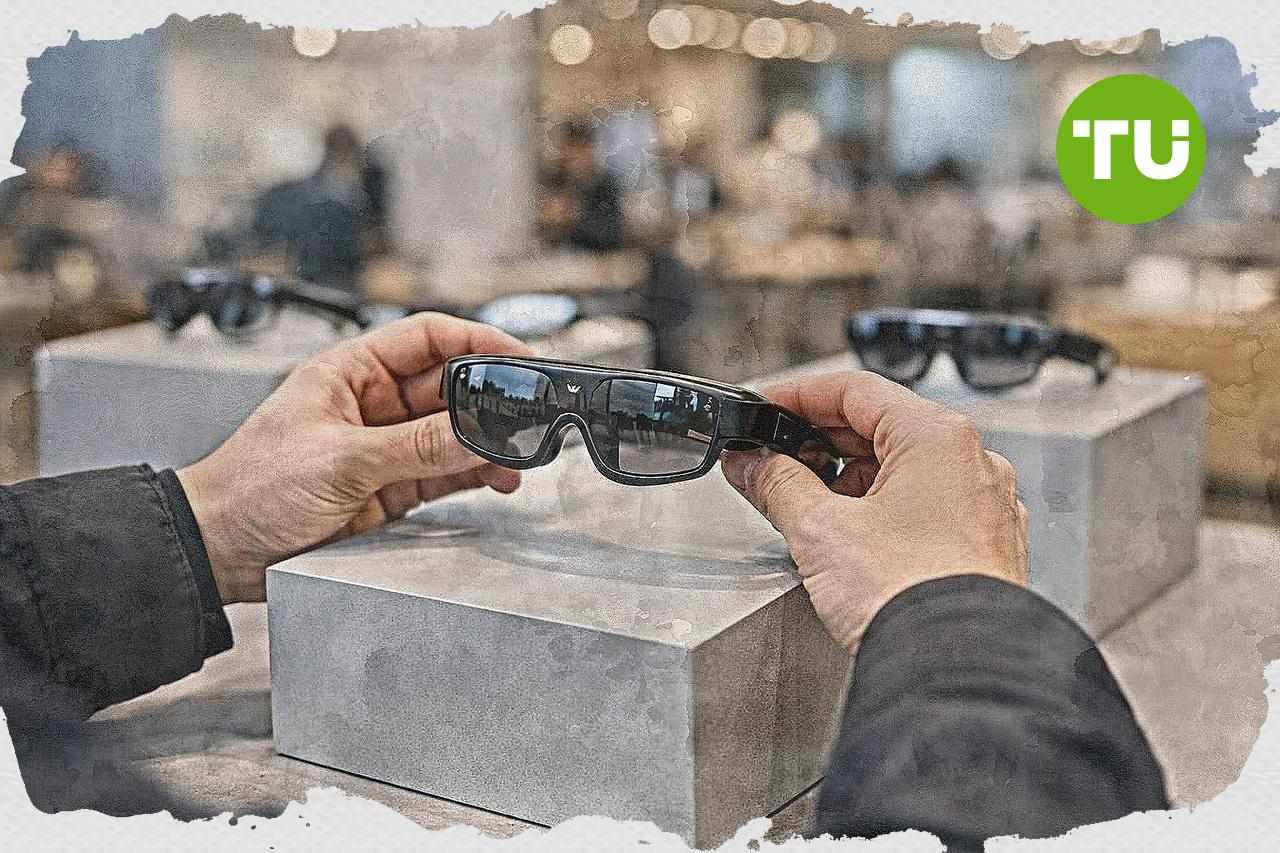
Snap is pushing ahead with its consumer augmented-reality strategy by introducing its first AR glasses for the mass market, despite mounting investor concerns over the cost of the effort. The $2,195 device, called Specs, is due to ship in the U.S., UK, and France this autumn as the company tries to broaden its business beyond a pressured advertising operation.
Highlights
- Snap unveiled its first mass-market AR glasses, Specs, at Augmented World Expo in California and Paris, aiming to compete with Apple and Meta.
- Snap has invested more than $3.5 billion in AR eyewear development, facing analyst concerns over $500 million annual costs amid falling share price and profitability.
- Activist investor Irenic Capital, holding 2.5 percent of Snap, urged the company to spin off or shut down AR, while Q1 results show $1.5 billion revenue and $89 million net loss.
Consumer launch and product strategy
As reported by the Financial Times, chief executive Evan Spiegel is presenting Specs as the culmination of more than a decade of work on augmented-reality eyewear at Snap. He says the glasses are designed to let users access tools such as navigation and live translation without looking down at a phone, while overlaying high-resolution 3D images onto the real world.Spiegel describes the product as his "life's work" and argues that glasses are the right form factor for the next generation of computing because they combine familiarity and wearability with computing capability. The device is being unveiled at the Augmented World Expo in California on Tuesday, alongside a launch event in Paris.
Snap has already released pilot headsets for developers, but Specs marks its first mass-market hardware device since it discontinued Spectacles after weak sales. The company is positioning the new product as an opportunity to succeed where Apple's Vision Pro has struggled and to move ahead of Meta in defining a new computing platform.
Investor scrutiny and business impact
Investor pressure on Snap's hardware spending has intensified as the company continues to invest heavily in augmented reality while its core advertising business remains under strain. Snap has spent more than $3.5 billion on AR eyewear development, and analysts have questioned whether annual costs of about $500 million are justified given the company's falling share price and weaker profitability.In March, activist investor Irenic Capital, which holds a 2.5 percent stake in Snap, publicly urged the company to spin off or shut down its AR division, calling it a distraction. Spiegel rejects that view, saying keeping Specs inside the business may reduce short-term profitability but creates a larger long-term opportunity for Snap.
That debate comes as Snap continues to face stronger competition from Meta and Google in digital advertising. In its first-quarter results, the company reports $1.5 billion in revenue and a net loss of $89 million, underscoring the pressure on management to prove that its hardware bet can eventually support growth.
In our earlier coverage of Snap’s Specs AR glasses launch, we explained how the company is framing the $2,195 device as a long-term strategic bet despite growing pressure from activist investor Irenic Capital. We also noted Snap’s more than $3.5 billion investment in the unit and its move to carve the business out as a standalone subsidiary, a structure that could enable outside funding while keeping the effort aligned with Snap’s broader plans.













-
 Afghanistan
-
 Albania
-
 Algeria
-
 Angola
-
 Argentina
-
 Armenia
-
 Australia
-
 Austria
-
 Azerbaijan
-
 Bahamas
-
 Bahrain
-
 Bangladesh
-
 Belarus
-
 Belgium
-
 Bolivia
-
 Botswana
-
 Brazil
-
 Brunei
-
 Bulgaria
-
 Cambodia
-
 Cameroon
-
 Canada
-
 Chile
Chile
-
 China
China
-
 Colombia
-
 Congo
Congo
-
 Costa Rica
-
 Cote d'Ivoire
-
 Croatia
-
 Cuba
Cuba
-
 Cyprus
-
 Czechia
-
 DR Congo
-
 Denmark
-
 Dominican Republic
-
 Ecuador
-
 Egypt
Egypt
-
 El Salvador
-
 Estonia
-
 Eswatini
-
 Ethiopia
-
 Finland
-
 France
-
 Georgia
-
 Germany
-
 Ghana
Ghana
-
 Greece
-
 Haiti
Haiti
-
 Hong Kong
-
 Hungary
-
 India
India
-
 Indonesia
-
 Iran, Islamic republic
-
 Iraq
Iraq
-
 Ireland
-
 Israel
-
 Italy
Italy
-
 Jamaica
-
 Japan
Japan
-
 Jordan
-
 Kazakhstan
-
 Kenya
Kenya
-
 Korea
Korea
-
 Kuwait
-
 Kyrgyzstan
-
 Laos
Laos
-
 Latvia
-
 Lebanon
-
 Lesotho
-
 Libya
Libya
-
 Lithuania
-
 Luxembourg
-
 Madagascar
-
 Malaysia
-
 Malta
Malta
-
 Mauritius
-
 Mexico
-
 Moldova
-
 Mongolia
-
 Montenegro
-
 Morocco
-
 Mozambique
-
 Myanmar
-
 Namibia
-
 Nepal
Nepal
-
 Netherlands
-
 New Zealand
-
 Nigeria
-
 North Macedonia
-
 Norway
-
 Oman
Oman
-
 Pakistan
-
 Palestine
-
 Panama
-
 Papua New Guinea
-
 Paraguay
-
 Peru
Peru
-
 Philippines
-
 Poland
-
 Portugal
-
 Puerto Rico
-
 Qatar
Qatar
-
 Reunion
-
 Romania
-
 Rwanda
-
 Saudi Arabia
-
 Serbia
-
 Singapore
-
 Slovakia
-
 Slovenia
-
 Somalia
-
 South Africa
-
 Spain
Spain
-
 Sri Lanka
-
 Sweden
-
 Switzerland
-
 Syria
Syria
-
 Taiwan
-
 Tajikistan
-
 Tanzania
-
 Thailand
-
 Trinidad and Tobago
-
 Tunisia
-
 Turkey
-
 UAE
UAE
-
 Uganda
-
 Ukraine
-
 United Kingdom
-
United States
-
 Uruguay
-
 Uzbekistan
-
 Venezuela
-
 Vietnam
-
 Yemen
Yemen
-
 Zambia
-
 Zimbabwe
- Forex
- Crypto












