Iowa pitches cost and workforce edge for aerospace expansion
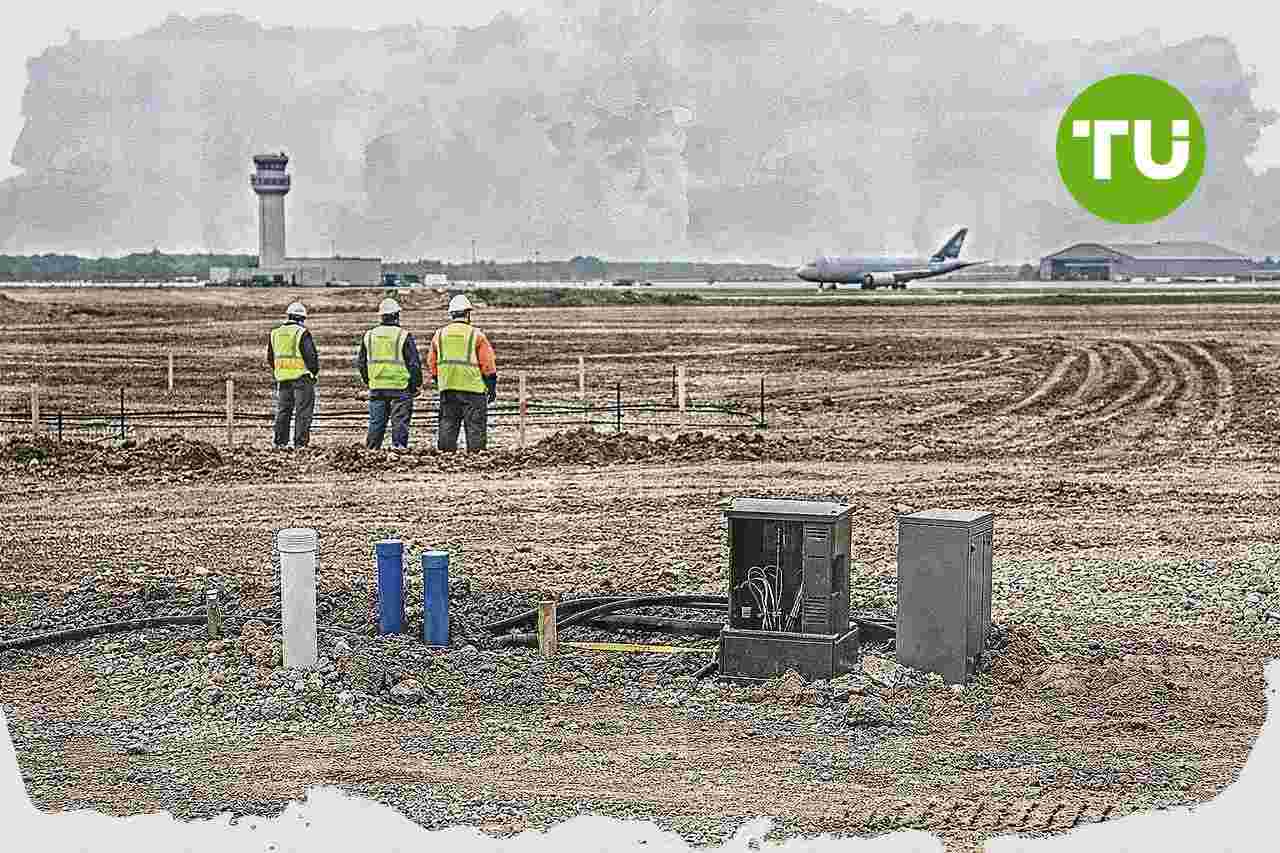
Aerospace and defense companies are broadening their site searches as they face pressure to shorten supply chains, secure skilled labor, and bring new facilities online faster. Iowa is positioning itself as an alternative to traditional industry hubs with a large manufacturing base, STEM-heavy workforce, and development-ready industrial sites.
Highlights
- Iowa exports nearly $1 billion in aviation parts annually to over 125 countries and boasts 19,286 aerospace and defense workers averaging $109,596 in wages as of 2023.
- The state plans to lower its corporate tax rate to 5.5%, with industrial construction costs 18% below and rental rates 15% under national averages, plus R&D tax incentives.
- Cedar Rapids' CID SuperPark offers 582 development-ready acres near Eastern Iowa Airport, supporting established employers like Collins Aerospace with 7,000 workers and strong transport links.
Iowa's expansion case for aerospace manufacturers
As reported by Business Insider, Iowa is presenting itself as a strong option for aerospace and defense investment as companies reassess where to place future facilities. The state says it exports nearly $1 billion in aviation parts and electronics to more than 125 countries and has spent decades building a network of manufacturers, suppliers, engineering talent, and aviation businesses.Iowa also highlights its labor profile as a central selling point. It ranks third nationally for concentration of mechanical engineers, third for manufacturing workers, and second for the share of workers employed in STEM occupations, while the aerospace and defense industry employs 19,286 people at an average wage of $109,596, according to 2023 data cited from the Aerospace Industries Association.
The state is also emphasizing operating economics. It says its corporate tax rate is set to fall to a target of 5.5%, while industrial construction costs run about 18% below the national average and corporate rental rates are roughly 15% lower. Additional support includes the Research and Development Tax Credit Program and the Industrial New Jobs Training, 260E, Program, which can help offset training costs tied to large hiring plans and expansion.
Site readiness and regional industry impact
Iowa's pitch extends beyond labor and taxes to project speed. The state ranks among the top 10 nationally for site readiness, and its Certified Sites program is designed to reduce delays by identifying locations where environmental reviews, utility assessments, and zoning work are already complete.One example is the CID SuperPark near the Eastern Iowa Airport in Cedar Rapids. The site includes 582 development-ready acres, with about 1,300 additional acres on the broader airport campus available for lease, alongside access to Interstate 380, rail and air transportation links, and a Foreign Trade Zone designation.
The Cedar Rapids location also ties into Iowa's established aerospace footprint. Arthur Collins Parkway commemorates the founder of Collins Radio Co., and Collins Aerospace now remains the city's largest employer with roughly 7,000 workers, underscoring the region's long-standing role in the sector.
For the broader U.S. aerospace supply chain, Iowa is making the case that manufacturers do not need to rely only on legacy hubs such as Wichita, Fort Worth, or Seattle. Its argument centers on a combination of lower operating costs, workforce depth, renewable energy generation, grid reliability, and room for future expansion as companies look for the next phase of industry growth.
Our earlier article covered General Motors’ partnership with Lockheed Martin to scale U.S. munitions-related manufacturing as Washington pushes to strengthen the domestic defense industrial base. We noted the collaboration is still at an early stage, but it is framed around high-rate production, modernizing facilities, improving production readiness, and reinforcing supply chains to meet rising demand for defense parts.





Latest Aerodrome News









-
 Afghanistan
-
 Albania
-
 Algeria
-
 Angola
-
 Argentina
-
 Armenia
-
 Australia
-
 Austria
-
 Azerbaijan
-
 Bahamas
-
 Bahrain
-
 Bangladesh
-
 Belarus
-
 Belgium
-
 Bolivia
-
 Botswana
-
 Brazil
-
 Brunei
-
 Bulgaria
-
 Cambodia
-
 Cameroon
-
 Canada
-
 Chile
Chile
-
 China
China
-
 Colombia
-
 Congo
Congo
-
 Costa Rica
-
 Cote d'Ivoire
-
 Croatia
-
 Cuba
Cuba
-
 Cyprus
-
 Czechia
-
 DR Congo
-
 Denmark
-
 Dominican Republic
-
 Ecuador
-
 Egypt
Egypt
-
 El Salvador
-
 Estonia
-
 Eswatini
-
 Ethiopia
-
 Finland
-
 France
-
 Georgia
-
 Germany
-
 Ghana
Ghana
-
 Greece
-
 Haiti
Haiti
-
 Hong Kong
-
 Hungary
-
 India
India
-
 Indonesia
-
 Iran, Islamic republic
-
 Iraq
Iraq
-
 Ireland
-
 Israel
-
 Italy
Italy
-
 Jamaica
-
 Japan
Japan
-
 Jordan
-
 Kazakhstan
-
 Kenya
Kenya
-
 Korea
Korea
-
 Kuwait
-
 Kyrgyzstan
-
 Laos
Laos
-
 Latvia
-
 Lebanon
-
 Lesotho
-
 Libya
Libya
-
 Lithuania
-
 Luxembourg
-
 Madagascar
-
 Malaysia
-
 Malta
Malta
-
 Mauritius
-
 Mexico
-
 Moldova
-
 Mongolia
-
 Montenegro
-
 Morocco
-
 Mozambique
-
 Myanmar
-
 Namibia
-
 Nepal
Nepal
-
 Netherlands
-
 New Zealand
-
 Nigeria
-
 North Macedonia
-
 Norway
-
 Oman
Oman
-
 Pakistan
-
 Palestine
-
 Panama
-
 Papua New Guinea
-
 Paraguay
-
 Peru
Peru
-
 Philippines
-
 Poland
-
 Portugal
-
 Puerto Rico
-
 Qatar
Qatar
-
 Reunion
-
 Romania
-
 Rwanda
-
 Saudi Arabia
-
 Serbia
-
 Singapore
-
 Slovakia
-
 Slovenia
-
 Somalia
-
 South Africa
-
 Spain
Spain
-
 Sri Lanka
-
 Sweden
-
 Switzerland
-
 Syria
Syria
-
 Taiwan
-
 Tajikistan
-
 Tanzania
-
 Thailand
-
 Trinidad and Tobago
-
 Tunisia
-
 Turkey
-
 UAE
UAE
-
 Uganda
-
 Ukraine
-
 United Kingdom
-
United States
-
 Uruguay
-
 Uzbekistan
-
 Venezuela
-
 Vietnam
-
 Yemen
Yemen
-
 Zambia
-
 Zimbabwe
- Forex
- Crypto












