
Trump invokes Defense Production Act for U.S. munitions supply chains
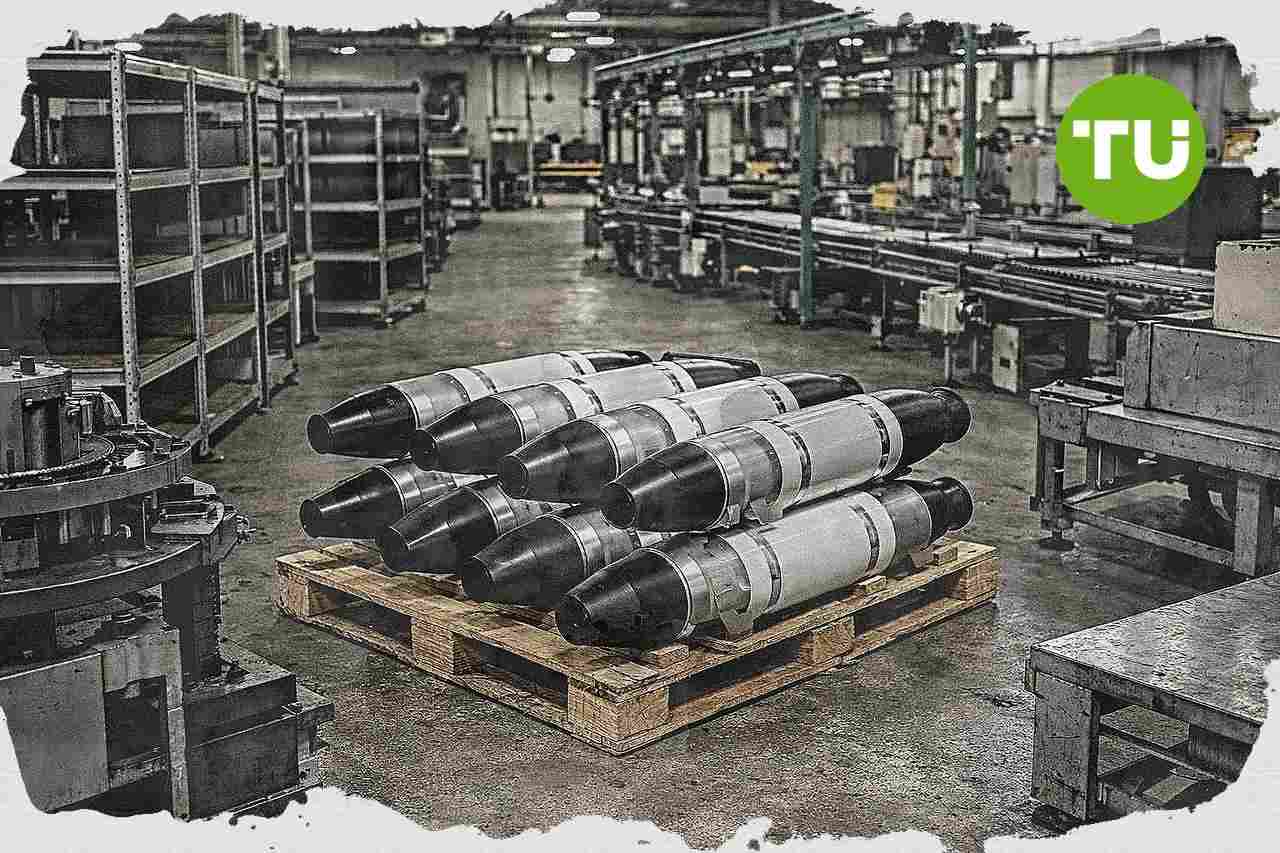
Rising pressure on the U.S. defense industrial base is pushing Washington to address weak points in weapons manufacturing capacity. The action targets bottlenecks in munitions production and related supply chains as demand tests the ability of manufacturers to deliver.
Highlights
- President Trump invoked the Defense Production Act on June 11 to address munitions production bottlenecks and supply chain constraints threatening defense readiness.
- Critical shortages persist in key sub-systems such as solid rocket motors, igniters, and guidance systems, hampering both legacy and modernization weapons programs.
- The memorandum delegates authority to the defense secretary for voluntary agreements with private industry to strengthen the defense industrial base amid rising demand concerns.
Munitions bottlenecks prompt federal action
As reported by Reuters, U.S. President Donald Trump has invoked the Defense Production Act to address constraints in weapons supply and development for munitions production and supply chains, according to a memorandum made public on Tuesday.The June 11 memorandum says conditions exist that may pose a direct threat to national defense or its preparedness programs. Trump points to limited production capacity, fragile supply chains, long-lead dependencies and other production bottlenecks in the defense sector.
Among the most capacity-constrained sub-systems are solid rocket motors, igniters and guidance systems, which are critical for both legacy weapons systems and future modernization programs.
Industry coordination and defense impact
The memorandum to the defense secretary delegates authority to pursue voluntary agreements with private industry aimed at strengthening the defense industrial base. Under the Defense Production Act, the president or authorized officials can consult with representatives of industry, business and other interests to establish such agreements when national defense conditions warrant them.The move comes as concern grows in Washington over whether U.S. weapons manufacturers can meet current demand. By focusing on supply chain weaknesses and production delays, the administration is seeking to improve output in a sector that remains central to military readiness.
Our earlier article on General Motors partnering with Lockheed Martin covered how the companies plan to scale U.S. munitions-related manufacturing and strengthen defense supply chains under a memorandum of understanding. We noted that the initiative is intended to boost high-rate production capacity and resilience as demand rises and Washington encourages broader private-sector participation in the defense industrial base.





Latest USA News










-
 Afghanistan
-
 Albania
-
 Algeria
-
 Angola
-
 Argentina
-
 Armenia
-
 Australia
-
 Austria
-
 Azerbaijan
-
 Bahamas
-
 Bahrain
-
 Bangladesh
-
 Belarus
-
 Belgium
-
 Bolivia
-
 Botswana
-
 Brazil
-
 Brunei
-
 Bulgaria
-
 Cambodia
-
 Cameroon
-
 Canada
-
 Chile
Chile
-
 China
China
-
 Colombia
-
 Congo
Congo
-
 Costa Rica
-
 Cote d'Ivoire
-
 Croatia
-
 Cuba
Cuba
-
 Cyprus
-
 Czechia
-
 DR Congo
-
 Denmark
-
 Dominican Republic
-
 Ecuador
-
 Egypt
Egypt
-
 El Salvador
-
 Estonia
-
 Eswatini
-
 Ethiopia
-
 Finland
-
 France
-
 Georgia
-
 Germany
-
 Ghana
Ghana
-
 Greece
-
 Haiti
Haiti
-
 Hong Kong
-
 Hungary
-
 India
India
-
 Indonesia
-
 Iran, Islamic republic
-
 Iraq
Iraq
-
 Ireland
-
 Israel
-
 Italy
Italy
-
 Jamaica
-
 Japan
Japan
-
 Jordan
-
 Kazakhstan
-
 Kenya
Kenya
-
 Korea
Korea
-
 Kuwait
-
 Kyrgyzstan
-
 Laos
Laos
-
 Latvia
-
 Lebanon
-
 Lesotho
-
 Libya
Libya
-
 Lithuania
-
 Luxembourg
-
 Madagascar
-
 Malaysia
-
 Malta
Malta
-
 Mauritius
-
 Mexico
-
 Moldova
-
 Mongolia
-
 Montenegro
-
 Morocco
-
 Mozambique
-
 Myanmar
-
 Namibia
-
 Nepal
Nepal
-
 Netherlands
-
 New Zealand
-
 Nigeria
-
 North Macedonia
-
 Norway
-
 Oman
Oman
-
 Pakistan
-
 Palestine
-
 Panama
-
 Papua New Guinea
-
 Paraguay
-
 Peru
Peru
-
 Philippines
-
 Poland
-
 Portugal
-
 Puerto Rico
-
 Qatar
Qatar
-
 Reunion
-
 Romania
-
 Rwanda
-
 Saudi Arabia
-
 Serbia
-
 Singapore
-
 Slovakia
-
 Slovenia
-
 Somalia
-
 South Africa
-
 Spain
Spain
-
 Sri Lanka
-
 Sweden
-
 Switzerland
-
 Syria
Syria
-
 Taiwan
-
 Tajikistan
-
 Tanzania
-
 Thailand
-
 Trinidad and Tobago
-
 Tunisia
-
 Turkey
-
 UAE
UAE
-
 Uganda
-
 Ukraine
-
 United Kingdom
-
United States
-
 Uruguay
-
 Uzbekistan
-
 Venezuela
-
 Vietnam
-
 Yemen
Yemen
-
 Zambia
-
 Zimbabwe
- Forex
- Crypto












