
Port of Los Angeles imports surge as shippers accelerate cargo ahead of higher fuel charges
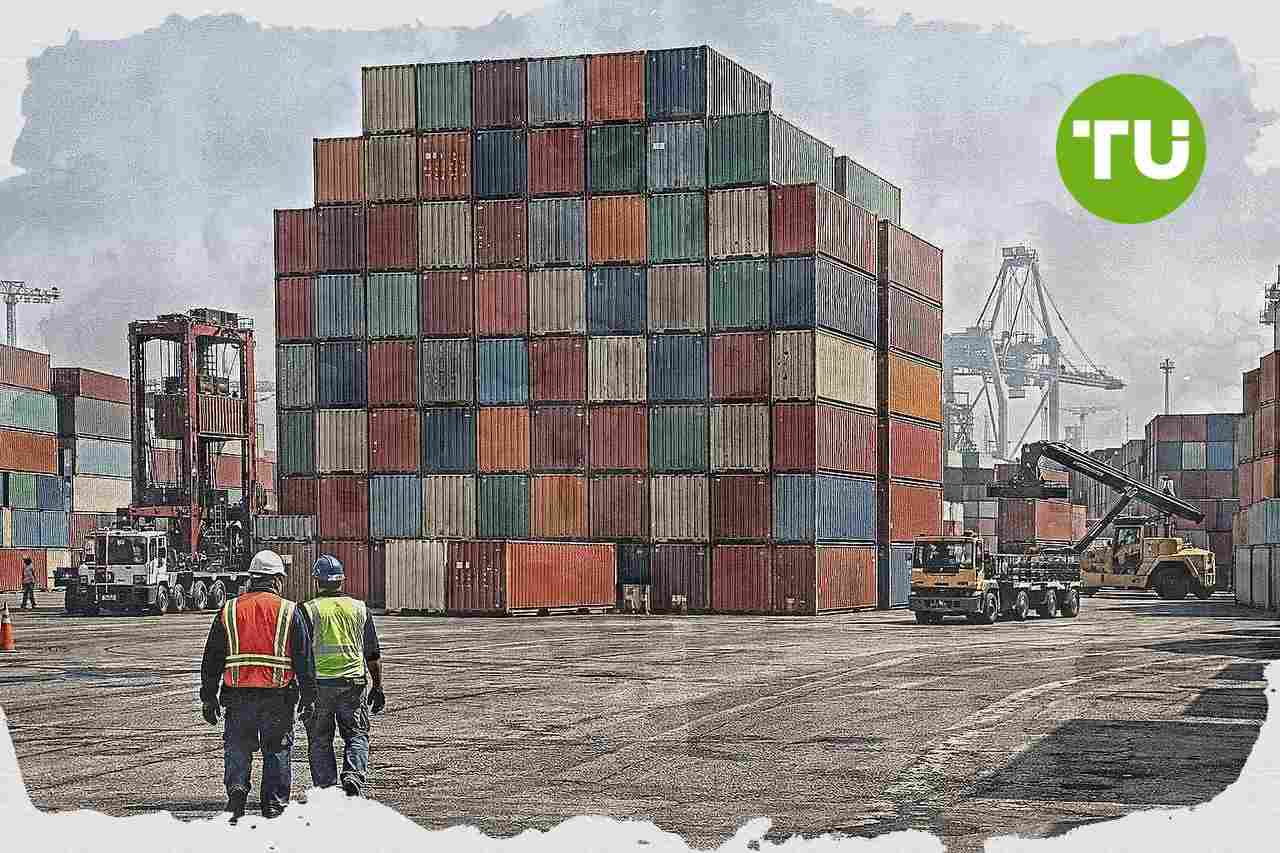
Import volumes at the Port of Los Angeles climb sharply in May as retailers and manufacturers move goods before shipping lines begin passing through higher fuel costs on July 1. The rush reflects mounting supply chain pressure from the Iran war, which is disrupting Middle East shipping, lifting marine fuel prices and raising concerns over raw material availability.
Highlights
- Port of Los Angeles handled 449,370 imported TEUs in May, up 26% year-on-year, marking its second-highest monthly import level on record.
- Vessel bunker fuel prices at 20 global ports nearly doubled in March to $1,053 due to Iran conflict and supply chain pressures, with higher fuel surcharges taking effect July 1.
- Trump administration proposes new tariffs up to 12.5% on imports from 60 countries amid 10% Section 122 global tariff expiry risk, while U.S. imports of plastic goods rose 26% year-on-year in May.
May import volumes rise before July cost increases
As reported by Reuters, the Port of Los Angeles handles 840,165 20-foot equivalent units in May, including 449,370 TEUs of imports, up 26% from a year earlier. The import total marks the second-highest monthly level on record at the busiest U.S. container port.Gene Seroka, executive director of the Port of Los Angeles, says companies are weighing energy costs, tariffs, inventory needs and geopolitical risks as they make sourcing and shipping decisions. He says many businesses are moving quickly when they see a period of stability, pushing cargo through supply chains before conditions worsen.
Seroka says June and July volumes are shaping up to be even stronger than May. He adds that supply chains will likely need months to normalize after hostilities linked to the Iran war stop and the Strait of Hormuz reopens fully.
Fuel, tariffs and plastics trade add pressure
The Iran war is snarling shipping in the Middle East and reducing the availability of crude oil and related materials used to make plastic and other goods. Vessel bunker fuel prices across 20 global ports nearly double in March to $1,053 from levels seen before the start of the U.S. and Israeli attacks on Iran, before easing on the prospect of a ceasefire deal.Even so, vessel operators are set to begin recovering higher fuel costs in contracts from July 1, affecting most cargo movements. Importers are also facing possible policy changes as 10% global Section 122 tariffs could expire in late July, while the Trump administration has proposed new tariffs of as much as 12.5% on imports from 60 countries over forced labor allegations.
Separate data from Descartes Systems Group show total U.S. container import volumes jump 11.5% in May from a year earlier. Import data analyzed by Descartes Datamyne show plastic goods under Harmonized System code 39 rise 26% to 251,706 TEUs, including an 87% increase in plastic office or school supplies and a 57% gain in plastic tableware and kitchenware.
Our earlier article on General Motors partnering with Lockheed Martin highlighted how automakers are being pulled deeper into defense supply chains to scale munitions-related production. We noted the collaboration’s focus on high-rate manufacturing, supply-chain resilience, and expanded capacity as U.S. stockpiles face pressure from conflicts including the Iran war and as Washington pushes domestic manufacturing.












-
 Afghanistan
-
 Albania
-
 Algeria
-
 Angola
-
 Argentina
-
 Armenia
-
 Australia
-
 Austria
-
 Azerbaijan
-
 Bahamas
-
 Bahrain
-
 Bangladesh
-
 Belarus
-
 Belgium
-
 Bolivia
-
 Botswana
-
 Brazil
-
 Brunei
-
 Bulgaria
-
 Cambodia
-
 Cameroon
-
 Canada
-
 Chile
Chile
-
 China
China
-
 Colombia
-
 Congo
Congo
-
 Costa Rica
-
 Cote d'Ivoire
-
 Croatia
-
 Cuba
Cuba
-
 Cyprus
-
 Czechia
-
 DR Congo
-
 Denmark
-
 Dominican Republic
-
 Ecuador
-
 Egypt
Egypt
-
 El Salvador
-
 Estonia
-
 Eswatini
-
 Ethiopia
-
 Finland
-
 France
-
 Georgia
-
 Germany
-
 Ghana
Ghana
-
 Greece
-
 Haiti
Haiti
-
 Hong Kong
-
 Hungary
-
 India
India
-
 Indonesia
-
 Iran, Islamic republic
-
 Iraq
Iraq
-
 Ireland
-
 Israel
-
 Italy
Italy
-
 Jamaica
-
 Japan
Japan
-
 Jordan
-
 Kazakhstan
-
 Kenya
Kenya
-
 Korea
Korea
-
 Kuwait
-
 Kyrgyzstan
-
 Laos
Laos
-
 Latvia
-
 Lebanon
-
 Lesotho
-
 Libya
Libya
-
 Lithuania
-
 Luxembourg
-
 Madagascar
-
 Malaysia
-
 Malta
Malta
-
 Mauritius
-
 Mexico
-
 Moldova
-
 Mongolia
-
 Montenegro
-
 Morocco
-
 Mozambique
-
 Myanmar
-
 Namibia
-
 Nepal
Nepal
-
 Netherlands
-
 New Zealand
-
 Nigeria
-
 North Macedonia
-
 Norway
-
 Oman
Oman
-
 Pakistan
-
 Palestine
-
 Panama
-
 Papua New Guinea
-
 Paraguay
-
 Peru
Peru
-
 Philippines
-
 Poland
-
 Portugal
-
 Puerto Rico
-
 Qatar
Qatar
-
 Reunion
-
 Romania
-
 Rwanda
-
 Saudi Arabia
-
 Serbia
-
 Singapore
-
 Slovakia
-
 Slovenia
-
 Somalia
-
 South Africa
-
 Spain
Spain
-
 Sri Lanka
-
 Sweden
-
 Switzerland
-
 Syria
Syria
-
 Taiwan
-
 Tajikistan
-
 Tanzania
-
 Thailand
-
 Trinidad and Tobago
-
 Tunisia
-
 Turkey
-
 UAE
UAE
-
 Uganda
-
 Ukraine
-
 United Kingdom
-
United States
-
 Uruguay
-
 Uzbekistan
-
 Venezuela
-
 Vietnam
-
 Yemen
Yemen
-
 Zambia
-
 Zimbabwe
- Forex
- Crypto












