
UK plastics recyclers face export risk as EU limits recycled content eligibility
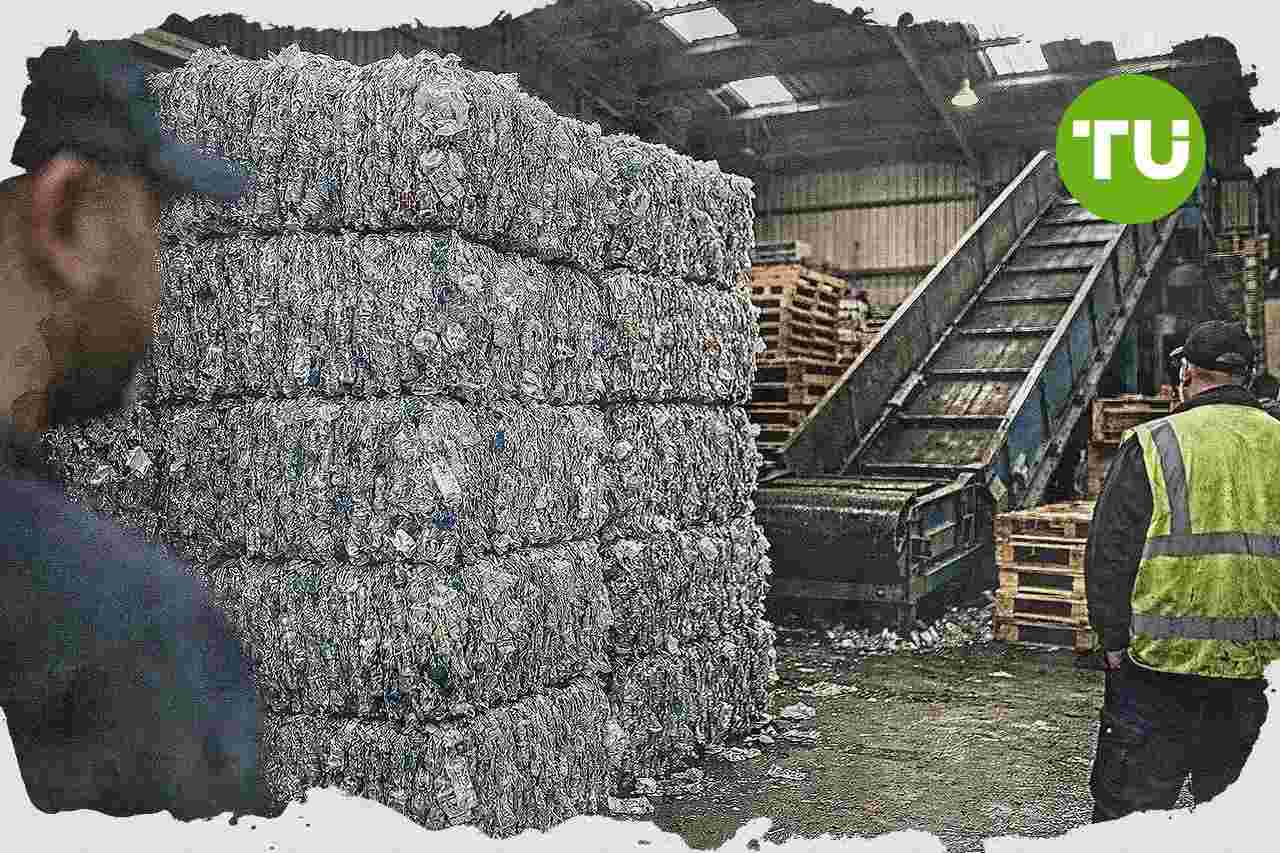
New EU recycled content rules are disrupting a key export market for British plastics recyclers as the bloc tightens conditions on what counts toward its environmental targets. The change affects material sent from Great Britain and also complicates trade with Northern Ireland, while UK officials seek clarification before a planned easing in November 2027.
Highlights
- New EU rules require only plastic sorted and recycled within the EU to count toward recycled content targets, impacting UK recyclers from 2025 onward.
- The UK exported 433,000 tonnes of recycled plastic worth €128mn to the EU in 2025, but sales now face severe disruption due to these restrictions until at least November 2027.
- Restrictions also affect Northern Ireland and may lead to cheap non-EU recycled material flooding the UK, further undercutting domestic recyclers' competitiveness.
EU rules tighten access to recycling market
As reported by Financial Times, only plastic that is sorted and recycled within the EU now counts toward the bloc's recycled content targets under rules introduced this year. The policy applies under the Single-Use Plastics Directive, which requires PET drinks bottles to contain 25 per cent recycled plastic from 2025, rising to 30 per cent by 2030.The British Plastics Federation says the requirement is protectionist and severely disrupts supply chains, arguing that it effectively cuts off a vital end market for Great Britain's recyclers. The trade body warns that if the approach becomes a model for future recycled content targets, the long-term consequences for the UK recycling industry will be profound.
The UK is the largest source of recycled plastic imports into the EU, selling 433,000 tonnes of plastic waste worth €128mn to the bloc in 2025. The restriction is due to end in November 2027 for OECD countries with equivalent standards, although UK officials are still seeking to clarify how the rules will be applied.
Pressure on UK recyclers and supply chains
The new restriction also affects sales to Northern Ireland, which remains inside the EU single market for goods and is therefore bound by the directive. That expands the pressure on British recyclers beyond exports to the continent and into an important nearby market.Patrick Brighty, head of recycling policy at the Environmental Services Association, says the UK also risks an influx of cheap material that can no longer enter the EU. He says that would further undercut the competitiveness of UK plastics reprocessing at a time when the sector is already under pressure.
The European Commission says the measure is not protectionist but a temporary, standards-based approach designed to ensure recycled content counted toward EU targets is credible, traceable and environmentally sound. The UK government says it continues to engage with the EU and industry to make sure implementation is proportionate and avoids unnecessary disruption to established recycling markets.
Our earlier report on the UK’s £1.3 billion G7-linked investment package explained how French and Indian firms are funding battery storage, flexible power infrastructure and technology expansion, with more than 1,400 jobs expected. We noted that the concentration of capital in energy storage and advanced manufacturing reflects growing demand for resilient power systems and industrial capability as the clean-energy buildout accelerates.





Latest Europe News









-
 Afghanistan
-
 Albania
-
 Algeria
-
 Angola
-
 Argentina
-
 Armenia
-
 Australia
-
 Austria
-
 Azerbaijan
-
 Bahamas
-
 Bahrain
-
 Bangladesh
-
 Belarus
-
 Belgium
-
 Bolivia
-
 Botswana
-
 Brazil
-
 Brunei
-
 Bulgaria
-
 Cambodia
-
 Cameroon
-
 Canada
-
 Chile
Chile
-
 China
China
-
 Colombia
-
 Congo
Congo
-
 Costa Rica
-
 Cote d'Ivoire
-
 Croatia
-
 Cuba
Cuba
-
 Cyprus
-
 Czechia
-
 DR Congo
-
 Denmark
-
 Dominican Republic
-
 Ecuador
-
 Egypt
Egypt
-
 El Salvador
-
 Estonia
-
 Eswatini
-
 Ethiopia
-
 Finland
-
 France
-
 Georgia
-
 Germany
-
 Ghana
Ghana
-
 Greece
-
 Haiti
Haiti
-
 Hong Kong
-
 Hungary
-
 India
India
-
 Indonesia
-
 Iran, Islamic republic
-
 Iraq
Iraq
-
 Ireland
-
 Israel
-
 Italy
Italy
-
 Jamaica
-
 Japan
Japan
-
 Jordan
-
 Kazakhstan
-
 Kenya
Kenya
-
 Korea
Korea
-
 Kuwait
-
 Kyrgyzstan
-
 Laos
Laos
-
 Latvia
-
 Lebanon
-
 Lesotho
-
 Libya
Libya
-
 Lithuania
-
 Luxembourg
-
 Madagascar
-
 Malaysia
-
 Malta
Malta
-
 Mauritius
-
 Mexico
-
 Moldova
-
 Mongolia
-
 Montenegro
-
 Morocco
-
 Mozambique
-
 Myanmar
-
 Namibia
-
 Nepal
Nepal
-
 Netherlands
-
 New Zealand
-
 Nigeria
-
 North Macedonia
-
 Norway
-
 Oman
Oman
-
 Pakistan
-
 Palestine
-
 Panama
-
 Papua New Guinea
-
 Paraguay
-
 Peru
Peru
-
 Philippines
-
 Poland
-
 Portugal
-
 Puerto Rico
-
 Qatar
Qatar
-
 Reunion
-
 Romania
-
 Rwanda
-
 Saudi Arabia
-
 Serbia
-
 Singapore
-
 Slovakia
-
 Slovenia
-
 Somalia
-
 South Africa
-
 Spain
Spain
-
 Sri Lanka
-
 Sweden
-
 Switzerland
-
 Syria
Syria
-
 Taiwan
-
 Tajikistan
-
 Tanzania
-
 Thailand
-
 Trinidad and Tobago
-
 Tunisia
-
 Turkey
-
 UAE
UAE
-
 Uganda
-
 Ukraine
-
 United Kingdom
-
United States
-
 Uruguay
-
 Uzbekistan
-
 Venezuela
-
 Vietnam
-
 Yemen
Yemen
-
 Zambia
-
 Zimbabwe
- Forex
- Crypto












