
U.S. expands commercial fishing access in Western Pacific monuments
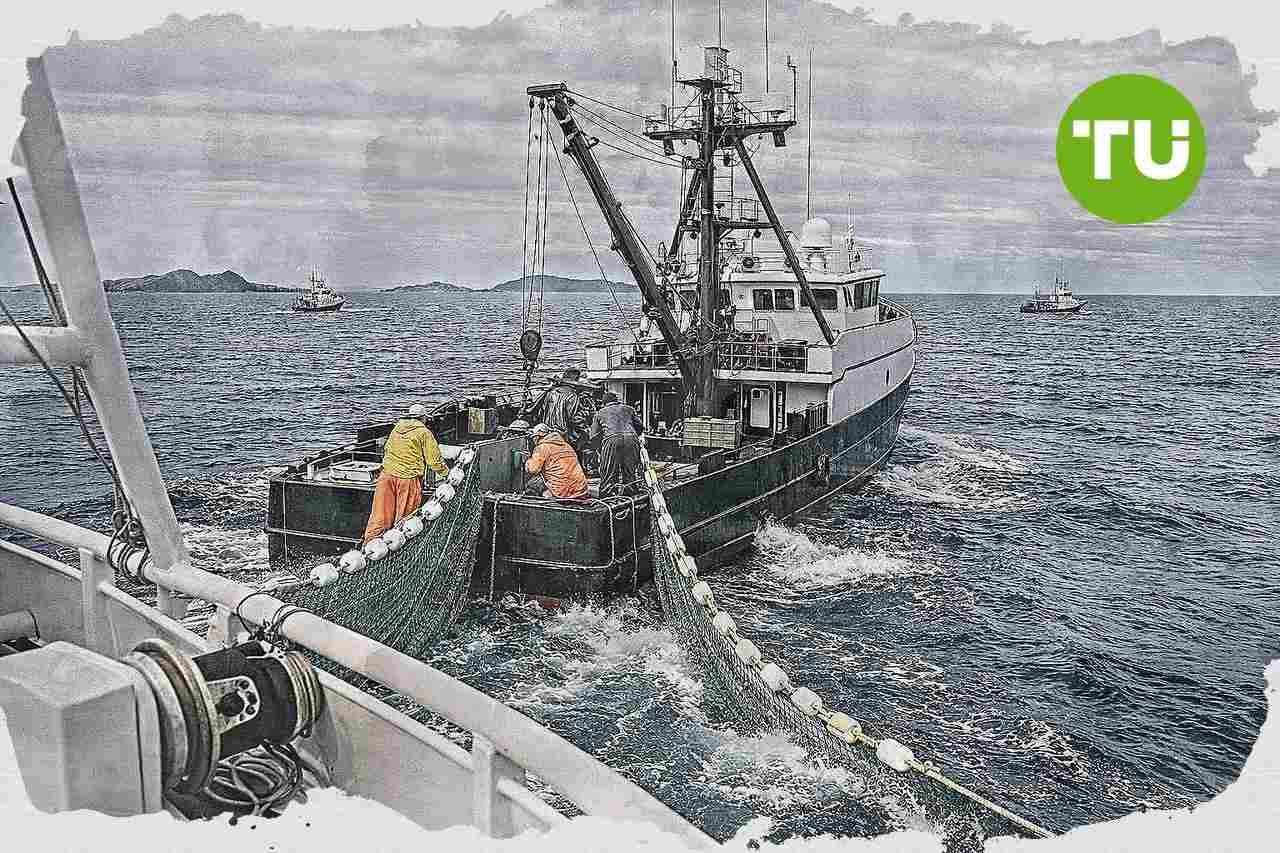
A federal policy shift is reopening parts of protected waters in the Western Pacific to commercial fishing, broadening access for the U.S. seafood industry. The move targets areas around three marine national monuments and is framed by supporters as a way to counter foreign competition and increase the U.S. fleet's presence.
Highlights
- President Trump signed a proclamation expanding commercial fishing access in three Western Pacific marine national monuments, overturning earlier restrictions.
- Supporters claim the policy opens access to abundant fishing grounds, strengthening the U.S. seafood sector and deterring foreign fishing incursions, especially from China.
- The policy shift aligns with H.R. 8904, set for a June 2026 hearing, aiming to subject monument fishing to the Magnuson-Stevens Act and prevent future commercial fishing bans.
Proclamation widens fishing access
As reported by House Committee on Natural Resources, President Donald Trump signed a proclamation last week that expands access for commercial fishing within the boundaries of three marine national monuments across the Western Pacific.Chairman Bruce Westerman says the previous limits arbitrarily closed off fishing access, weakening the U.S. fleet and leaving U.S. waters more exposed to pressure from rivals such as China. He says the administration's action supports responsible use of marine resources and strengthens the country's fisheries management position.
The proclamation overturns earlier commercial fishing restrictions in the Islands Unit of the Mariana Trench Marine National Monument, the Mau Zone and Ho'omalu Zone, areas seaward of 50 nautical miles within the Papahanaumokuakea Marine National Monument, and waters between 12 and 50 nautical miles surrounding Rose Atoll.
Seafood sector and policy implications
Supporters say the change increases access to some of the world's most abundant fishing grounds, which could bolster the U.S. seafood sector and put more U.S. vessels on the water in areas seen as vulnerable to foreign incursions.The policy change also aligns with legislative activity in Congress. In June 2026, the Subcommittee on Water, Wildlife and Fisheries holds a hearing on H.R. 8904, introduced by U.S. Rep. Amata Coleman Radewagen of American Samoa, which would place fishing in marine national monuments designated under the Antiquities Act under the Magnuson-Stevens Fishery Conservation and Management Act and block what supporters describe as arbitrary bans on commercial fishing.
Our earlier coverage of the SBA’s Freedom 250 Small Business Pledge explained how the agency is encouraging companies nationwide to join a 250th-anniversary initiative tied to entrepreneurship and free enterprise, with participants receiving official recognition. The article also framed the pledge within a broader policy backdrop that the SBA says is supporting record new business formations and job growth, positioning the program as a signal of confidence in the current operating environment for U.S. small businesses.















-
 Afghanistan
-
 Albania
-
 Algeria
-
 Angola
-
 Argentina
-
 Armenia
-
 Australia
-
 Austria
-
 Azerbaijan
-
 Bahamas
-
 Bahrain
-
 Bangladesh
-
 Belarus
-
 Belgium
-
 Bolivia
-
 Botswana
-
 Brazil
-
 Brunei
-
 Bulgaria
-
 Cambodia
-
 Cameroon
-
 Canada
-
 Chile
Chile
-
 China
China
-
 Colombia
-
 Congo
Congo
-
 Costa Rica
-
 Cote d'Ivoire
-
 Croatia
-
 Cuba
Cuba
-
 Cyprus
-
 Czechia
-
 DR Congo
-
 Denmark
-
 Dominican Republic
-
 Ecuador
-
 Egypt
Egypt
-
 El Salvador
-
 Estonia
-
 Eswatini
-
 Ethiopia
-
 Finland
-
 France
-
 Georgia
-
 Germany
-
 Ghana
Ghana
-
 Greece
-
 Haiti
Haiti
-
 Hong Kong
-
 Hungary
-
 India
India
-
 Indonesia
-
 Iran, Islamic republic
-
 Iraq
Iraq
-
 Ireland
-
 Israel
-
 Italy
Italy
-
 Jamaica
-
 Japan
Japan
-
 Jordan
-
 Kazakhstan
-
 Kenya
Kenya
-
 Korea
Korea
-
 Kuwait
-
 Kyrgyzstan
-
 Laos
Laos
-
 Latvia
-
 Lebanon
-
 Lesotho
-
 Libya
Libya
-
 Lithuania
-
 Luxembourg
-
 Madagascar
-
 Malaysia
-
 Malta
Malta
-
 Mauritius
-
 Mexico
-
 Moldova
-
 Mongolia
-
 Montenegro
-
 Morocco
-
 Mozambique
-
 Myanmar
-
 Namibia
-
 Nepal
Nepal
-
 Netherlands
-
 New Zealand
-
 Nigeria
-
 North Macedonia
-
 Norway
-
 Oman
Oman
-
 Pakistan
-
 Palestine
-
 Panama
-
 Papua New Guinea
-
 Paraguay
-
 Peru
Peru
-
 Philippines
-
 Poland
-
 Portugal
-
 Puerto Rico
-
 Qatar
Qatar
-
 Reunion
-
 Romania
-
 Rwanda
-
 Saudi Arabia
-
 Serbia
-
 Singapore
-
 Slovakia
-
 Slovenia
-
 Somalia
-
 South Africa
-
 Spain
Spain
-
 Sri Lanka
-
 Sweden
-
 Switzerland
-
 Syria
Syria
-
 Taiwan
-
 Tajikistan
-
 Tanzania
-
 Thailand
-
 Trinidad and Tobago
-
 Tunisia
-
 Turkey
-
 UAE
UAE
-
 Uganda
-
 Ukraine
-
 United Kingdom
-
United States
-
 Uruguay
-
 Uzbekistan
-
 Venezuela
-
 Vietnam
-
 Yemen
Yemen
-
 Zambia
-
 Zimbabwe
- Forex
- Crypto












