
Fed signals hawkish shift under Kevin Warsh after first policy meeting

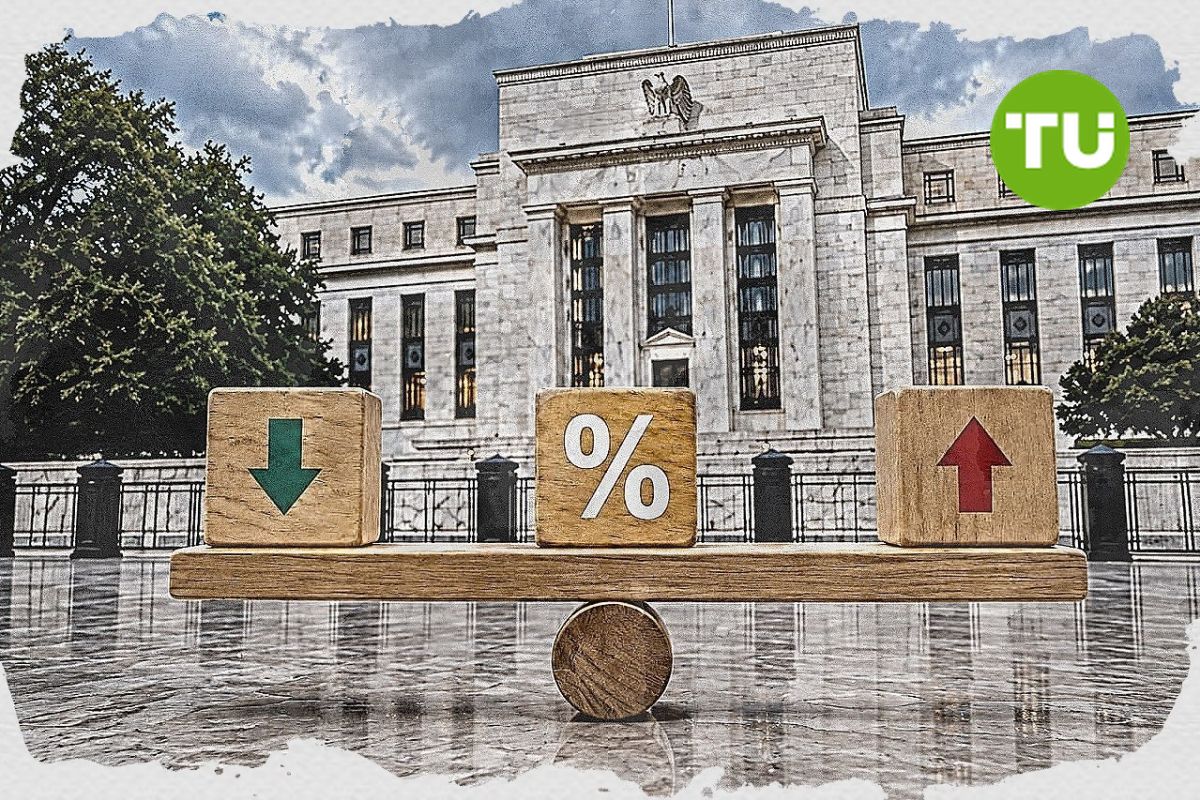
Markets are reassessing the Federal Reserve's policy stance after Kevin Warsh's first meeting as chair triggers a jump in Treasury yields and a 1.2 per cent drop in the S&P 500. The move reflects investors' reading that the central bank is taking a firmer line on inflation even as Warsh pares back its communication about future policy.
Highlights
- Kevin Warsh's first Federal Reserve meeting delivers a hawkish shift, with half the committee projecting a rate increase and emphasizing persistent inflation concerns.
- The policy-sensitive two-year U.S. Treasury yield rises as much as 17 basis points after the meeting, reflecting Warsh's skepticism toward imminent rate cuts and AI-driven productivity arguments.
- Warsh removes forward guidance from the Fed statement, signals balance sheet policy is under review, and leaves investors with less clarity on future policy direction.
First meeting sharpens focus on inflation and policy tools
As reported by Financial Times, Warsh strikes a notably hawkish tone at his debut meeting as Federal Reserve chair, stressing repeatedly that inflation remains too high and calling it the product of bad monetary policy. He gives little weight to the employment side of the Fed's mandate unless pressed, and half of the committee places a rate increase in its policy projections, reinforcing the market view that the Fed is shifting in a tougher direction.That reading pushes the policy-sensitive two-year U.S. Treasury yield up by as much as 17 basis points after the meeting. Warsh also appears to distance himself from the idea that an AI-driven productivity boom currently justifies pre-emptive rate cuts, saying supply effects are hard to measure while allowing that stronger demand may be the bigger effect for now.
Even so, his hawkish positioning is not fully consistent across all issues. When asked whether current rates are restrictive, he says the answer varies across the economy, with housing feeling the impact but equities clearly not, and suggests rates and balance sheet policy may be affecting different areas in different ways.
Balance sheet reform and less guidance unsettle markets
The committee keeps its commitment to an ample-reserves regime in its statement while signaling that balance sheet policy is under review through one of five reform task forces Warsh is setting up. The message is that change is likely to come, but not quickly.Warsh answers the communication question more decisively by removing forward guidance from the committee statement, declining to discuss the Fed's likely reaction function and choosing not to add a dot to the committee's economic projections. That approach may reduce expectations that the central bank will automatically cushion market volatility, but it also leaves investors with less clarity about how policymakers may respond to incoming data.
His refusal to answer why rates are not being raised now, despite his insistence that inflation is too high and monetary policy is responsible, leaves an important gap in the new chair's message. For markets, the first meeting establishes a tougher inflation posture, but also raises questions about how clearly the Fed under Warsh will explain its next moves.
Our earlier article on Kevin Warsh’s Fed institutional review outlined how, after succeeding Jerome Powell, he launched multiple task forces to reassess the central bank’s processes, governance, and communications. We noted that the initiative signaled a management-driven push for transparency and internal engagement, while also raising questions about how these changes might interact with future monetary policy decisions and market expectations.












-
 Afghanistan
-
 Albania
-
 Algeria
-
 Angola
-
 Argentina
-
 Armenia
-
 Australia
-
 Austria
-
 Azerbaijan
-
 Bahamas
-
 Bahrain
-
 Bangladesh
-
 Belarus
-
 Belgium
-
 Bolivia
-
 Botswana
-
 Brazil
-
 Brunei
-
 Bulgaria
-
 Cambodia
-
 Cameroon
-
 Canada
-
 Chile
Chile
-
 China
China
-
 Colombia
-
 Congo
Congo
-
 Costa Rica
-
 Cote d'Ivoire
-
 Croatia
-
 Cuba
Cuba
-
 Cyprus
-
 Czechia
-
 DR Congo
-
 Denmark
-
 Dominican Republic
-
 Ecuador
-
 Egypt
Egypt
-
 El Salvador
-
 Estonia
-
 Eswatini
-
 Ethiopia
-
 Finland
-
 France
-
 Georgia
-
 Germany
-
 Ghana
Ghana
-
 Greece
-
 Haiti
Haiti
-
 Hong Kong
-
 Hungary
-
 India
India
-
 Indonesia
-
 Iran, Islamic republic
-
 Iraq
Iraq
-
 Ireland
-
 Israel
-
 Italy
Italy
-
 Jamaica
-
 Japan
Japan
-
 Jordan
-
 Kazakhstan
-
 Kenya
Kenya
-
 Korea
Korea
-
 Kuwait
-
 Kyrgyzstan
-
 Laos
Laos
-
 Latvia
-
 Lebanon
-
 Lesotho
-
 Libya
Libya
-
 Lithuania
-
 Luxembourg
-
 Madagascar
-
 Malaysia
-
 Malta
Malta
-
 Mauritius
-
 Mexico
-
 Moldova
-
 Mongolia
-
 Montenegro
-
 Morocco
-
 Mozambique
-
 Myanmar
-
 Namibia
-
 Nepal
Nepal
-
 Netherlands
-
 New Zealand
-
 Nigeria
-
 North Macedonia
-
 Norway
-
 Oman
Oman
-
 Pakistan
-
 Palestine
-
 Panama
-
 Papua New Guinea
-
 Paraguay
-
 Peru
Peru
-
 Philippines
-
 Poland
-
 Portugal
-
 Puerto Rico
-
 Qatar
Qatar
-
 Reunion
-
 Romania
-
 Rwanda
-
 Saudi Arabia
-
 Serbia
-
 Singapore
-
 Slovakia
-
 Slovenia
-
 Somalia
-
 South Africa
-
 Spain
Spain
-
 Sri Lanka
-
 Sweden
-
 Switzerland
-
 Syria
Syria
-
 Taiwan
-
 Tajikistan
-
 Tanzania
-
 Thailand
-
 Trinidad and Tobago
-
 Tunisia
-
 Turkey
-
 UAE
UAE
-
 Uganda
-
 Ukraine
-
 United Kingdom
-
United States
-
 Uruguay
-
 Uzbekistan
-
 Venezuela
-
 Vietnam
-
 Yemen
Yemen
-
 Zambia
-
 Zimbabwe
- Forex
- Crypto












