
BBC cuts deepen pressure on UK broadcaster’s news and cultural output
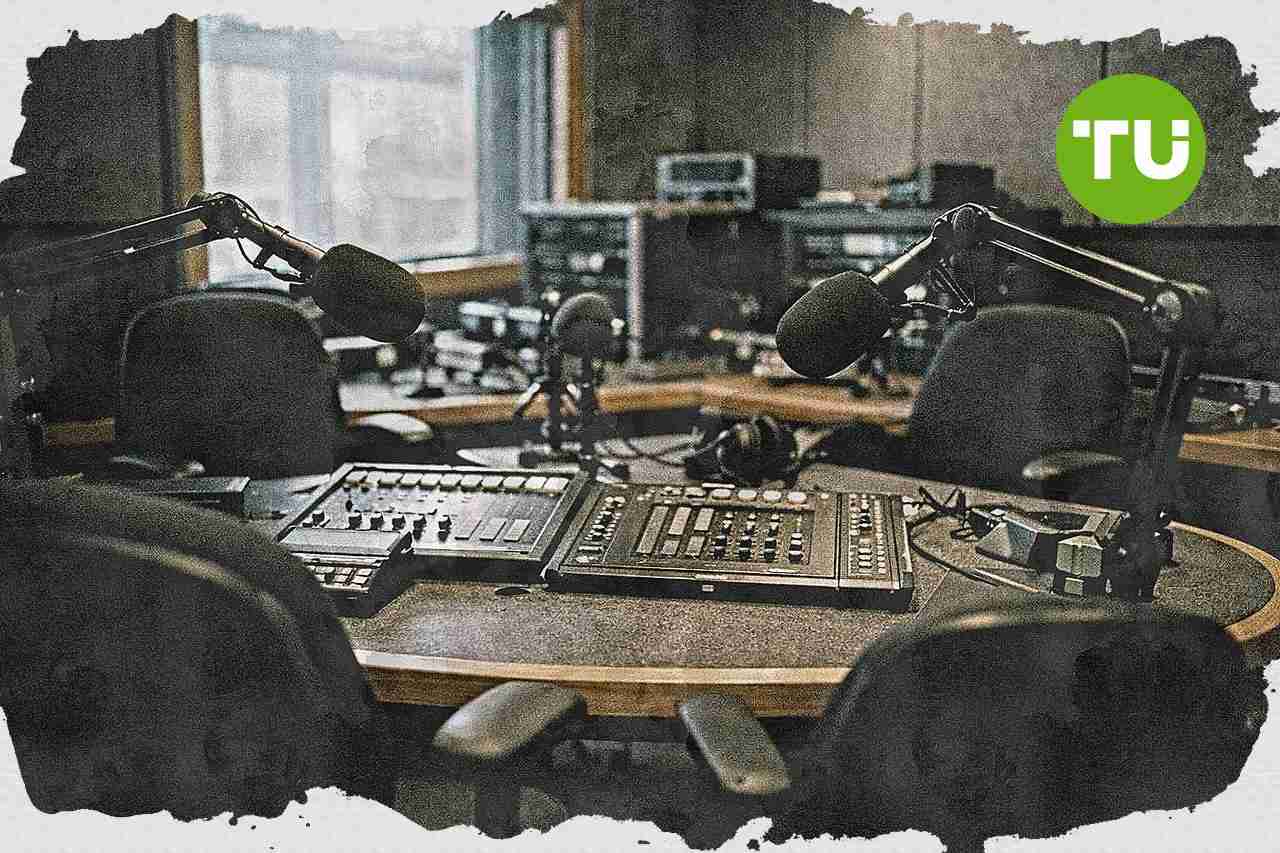
Mounting budget reductions at the BBC are now hitting long-running news and current affairs programmes as the broadcaster advances the first tranche of a wider £500 million savings plan. The move sharpens questions over how the UK will fund a public service broadcaster whose licence fee income remains below its inflation-adjusted level.
Highlights
- BBC will cut or merge significant news programming to save £25 million as part of a broader £500 million cost-reduction plan.
- The broadcaster is cancelling The World Tonight, Crossing Continents, and Money Box Live, and reducing Today presenters from five to four, with BBC News 24 absorbing more airtime gaps.
- The annual licence fee stands at £180 versus an inflation-adjusted £222.49, leaving a funding gap that endangers core news and cultural output unless government policy changes.
Programme reductions and funding strain
As reported by Financial Times, the BBC is cutting or merging large parts of its news programming in measures intended to save £25 million, the first step in a broader plan for £500 million in reductions.The changes include the cancellation of The World Tonight after 56 years, with BBC World Service programme Newshour taking its place on Radio 4. Crossing Continents is also being cut, while Money Box Live is among the programmes set to be axed. The Today programme is being reduced from five regular presenters to four, and linear television also faces further pressure as BBC News 24 is used more often to fill schedule gaps.
The article argues that these decisions damage some of the broadcaster’s most valuable current affairs output, with further looming reductions also threatening cultural programming. It links the current squeeze to a longer funding trend that began in 2010, when the coalition government froze the licence fee for six years and added costs including the over-75s TV licence benefit, which remained in place until 2020. A further two-year freeze followed in 2022, while the fee now rises only in line with inflation under Labour.
Implications for UK media and public service broadcasting
In a fragmented media market, the BBC continues to serve as one of the few institutions providing a shared source of news and common public experience across the UK. That role carries added weight as the country faces hostile information campaigns and broader efforts to destabilise democratic debate.The funding gap outlined in the article remains substantial. The annual licence fee stood at £145.50 in 2010, and in real terms that would now be £222.49, compared with the current £180 level. The piece argues that after years of cost-cutting that have already affected on-air quality, further reductions are likely to hit the broadcaster’s core assets unless the government allows direct licence fee increases or gives the BBC greater freedom to monetise its content in both overseas and domestic markets.
Thames Water’s growing financial stress has increased the likelihood it could enter the UK’s Special Administration Regime, a temporary state takeover designed to keep essential water services running while debts are restructured. Our earlier coverage outlined how the process could stabilise operations, potentially pause certain debt payments, and reshape creditor recoveries, while also raising wider questions about regulation, investment incentives, and accountability in vital public services.





Latest UK News







-
 Afghanistan
-
 Albania
-
 Algeria
-
 Angola
-
 Argentina
-
 Armenia
-
 Australia
-
 Austria
-
 Azerbaijan
-
 Bahamas
-
 Bahrain
-
 Bangladesh
-
 Belarus
-
 Belgium
-
 Bolivia
-
 Botswana
-
 Brazil
-
 Brunei
-
 Bulgaria
-
 Cambodia
-
 Cameroon
-
 Canada
-
 Chile
Chile
-
 China
China
-
 Colombia
-
 Congo
Congo
-
 Costa Rica
-
 Cote d'Ivoire
-
 Croatia
-
 Cuba
Cuba
-
 Cyprus
-
 Czechia
-
 DR Congo
-
 Denmark
-
 Dominican Republic
-
 Ecuador
-
 Egypt
Egypt
-
 El Salvador
-
 Estonia
-
 Eswatini
-
 Ethiopia
-
 Finland
-
 France
-
 Georgia
-
 Germany
-
 Ghana
Ghana
-
 Greece
-
 Haiti
Haiti
-
 Hong Kong
-
 Hungary
-
 India
India
-
 Indonesia
-
 Iran, Islamic republic
-
 Iraq
Iraq
-
 Ireland
-
 Israel
-
 Italy
Italy
-
 Jamaica
-
 Japan
Japan
-
 Jordan
-
 Kazakhstan
-
 Kenya
Kenya
-
 Korea
Korea
-
 Kuwait
-
 Kyrgyzstan
-
 Laos
Laos
-
 Latvia
-
 Lebanon
-
 Lesotho
-
 Libya
Libya
-
 Lithuania
-
 Luxembourg
-
 Madagascar
-
 Malaysia
-
 Malta
Malta
-
 Mauritius
-
 Mexico
-
 Moldova
-
 Mongolia
-
 Montenegro
-
 Morocco
-
 Mozambique
-
 Myanmar
-
 Namibia
-
 Nepal
Nepal
-
 Netherlands
-
 New Zealand
-
 Nigeria
-
 North Macedonia
-
 Norway
-
 Oman
Oman
-
 Pakistan
-
 Palestine
-
 Panama
-
 Papua New Guinea
-
 Paraguay
-
 Peru
Peru
-
 Philippines
-
 Poland
-
 Portugal
-
 Puerto Rico
-
 Qatar
Qatar
-
 Reunion
-
 Romania
-
 Rwanda
-
 Saudi Arabia
-
 Serbia
-
 Singapore
-
 Slovakia
-
 Slovenia
-
 Somalia
-
 South Africa
-
 Spain
Spain
-
 Sri Lanka
-
 Sweden
-
 Switzerland
-
 Syria
Syria
-
 Taiwan
-
 Tajikistan
-
 Tanzania
-
 Thailand
-
 Trinidad and Tobago
-
 Tunisia
-
 Turkey
-
 UAE
UAE
-
 Uganda
-
 Ukraine
-
 United Kingdom
-
United States
-
 Uruguay
-
 Uzbekistan
-
 Venezuela
-
 Vietnam
-
 Yemen
Yemen
-
 Zambia
-
 Zimbabwe
- Forex
- Crypto












