

Living REIT rating cut by Fitch as supported housing rent pressures weigh on credit profile
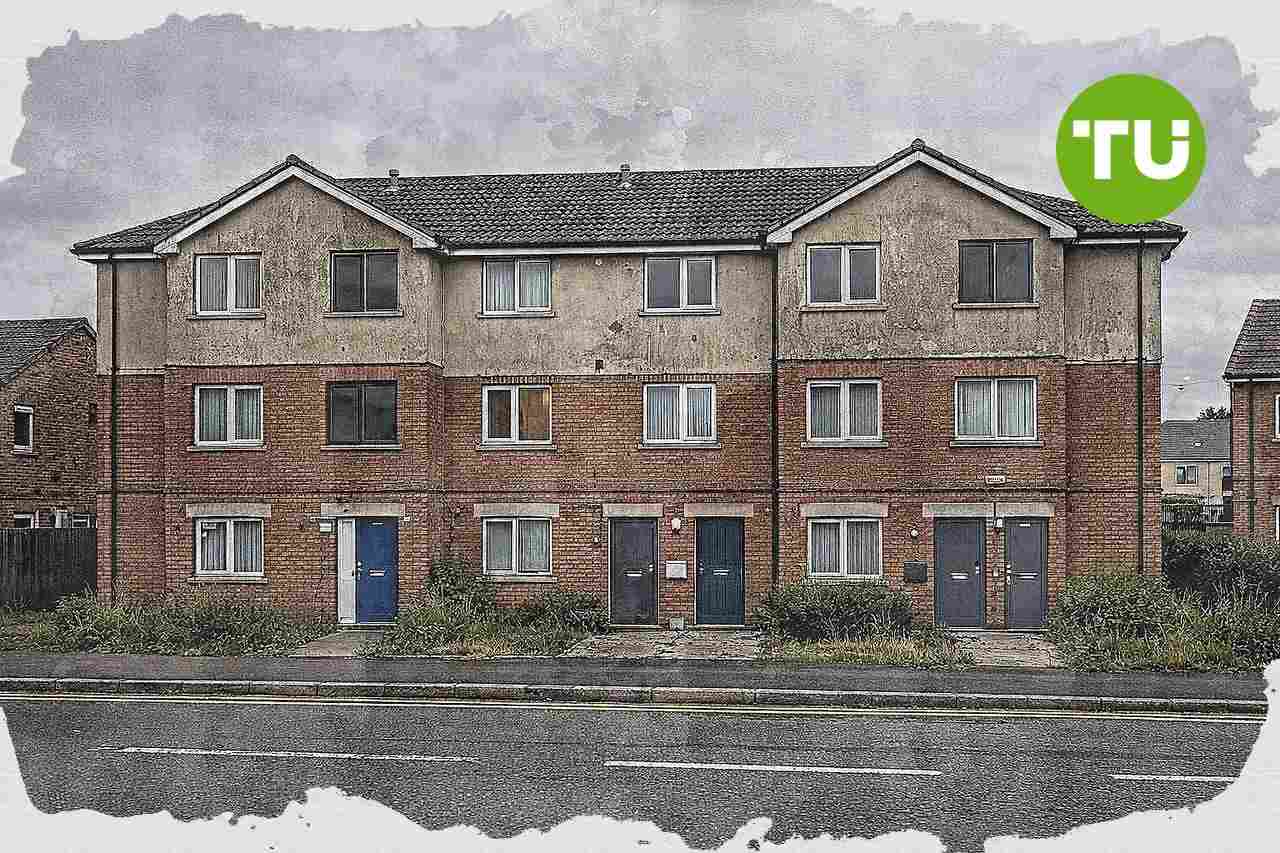
Pressure on rental income from parts of Living REIT's specialised supported housing portfolio is pushing up leverage and weakening credit metrics. The rating action comes as the company also pursues a GBP185 million senior living acquisition that broadens its asset base across the UK.
Highlights
- Fitch downgrades Living REIT plc's Long-Term Issuer Default Rating to 'BBB+' from 'A-' due to lease resets and rental arrears in its GBP603 million supported housing portfolio.
- Contracted rents for 20 assets reset to 82.5% of previous levels in Q1 2026 after Parasol leases transfer to Portus, while credit loss provisions written off reach GBP8.73 million for My Space in 2025 and GBP1.97 million for Parasol in 2024.
- Acquisition of a GBP185 million senior living portfolio in 2026 raises net debt to EBITDA to 8.3x and net loan-to-value to 45%, diversifying income but increasing leverage.
Rating cut reflects lease resets and arrears
As reported by Fitch Ratings, Living REIT plc's Long-Term Issuer Default Rating is downgraded to 'BBB+' from 'A-', while its senior secured rating is lowered to 'A-' from 'A'. The Outlook remains Stable.The agency says the downgrade reflects challenges in the company's GBP603 million specialised supported housing portfolio, where contracted rents fall after a lease transfer and rental losses emerge from two registered providers. Fitch views the lease structure as a conduit for stable, indirectly UK government-funded housing benefit income, but says the rent reductions show weaker-than-expected initial asset underwriting and selection.
Fitch says rents tied to supported housing tenants are not expected to decline where the tenant remains in place, even if the registered provider changes. However, the transfer of Parasol leases to Portus in 2024 shows contracted rents can reset lower, with 20 assets converted to full repairing and insuring leases in the first quarter of 2026 at an average 82.5% of previous contracted rents. Other assets previously leased to Parasol and My Space are also expected to be rebased at 85% and 70% respectively of earlier contracted rents.
Living REIT is still working through 38 assets previously leased to Parasol, equal to 9.3% of annual contracted rents at end-2025, and 34 assets linked to My Space, equal to 8%. The company has 15 assets assigned to Portus from Parasol with rents received on a pass-through basis net of costs, while eight My Space leases are expected to be assigned to Inclusion in the third quarter of 2026. It also sells 10 assets from the Parasol and My Space portfolios in the first quarter of 2026 and is exploring a ring-fencing rent collection structure to protect supported housing income.
Credit loss provisions written off reach GBP8.73 million in 2025 for My Space and GBP1.97 million in 2024 for Parasol, reflecting arrears built up over several years. Disruption to rent collection from both registered providers begins in 2022, and shortfalls under pass-through arrangements total GBP3 million in 2025, or 7% of contracted rents, versus GBP2.5 million, or 6%, in 2024. Even so, overall rent collection improves to 91.5% in 2025 from 87.6% in 2024.
Acquisition adds diversification but raises leverage
Fitch expects pro-forma net debt to EBITDA to be about 8.3x after the 2026 acquisition of a GBP185 million senior living portfolio, compared with 7.5x at end-2025. Net loan-to-value is expected at about 45% against 40% at end-2025, while EBITDA net interest cover is projected at about 3.8x during 2026-2027, down from 4.4x in 2025.The senior living transaction adds about 1,900 flats across the UK and provides tenant and asset diversification away from specialised supported housing. The portfolio generates GBP11.5 million in annual net rental income, with occupancy of 97% and an average tenant stay of 5.3 years.
Fitch expects the enlarged group to derive about 80% of pro-forma EBITDA from specialised supported housing assets and 20% from senior living. The acquisition remains subject to shareholder approval from Living REIT and Residential Secure Income REIT, as well as consent from the target portfolio's lender.
Our earlier coverage of the ROAD to Housing Act explained how U.S. lawmakers are advancing a bipartisan housing package aimed at boosting supply and improving affordability. The proposal pairs measures to ease regulations for new homebuilding and incentivize local housing expansion with limits on large private equity ownership in single-family homes, reflecting mounting political pressure over high living costs.





Latest Fitch Ratings News






-
 Afghanistan
-
 Albania
-
 Algeria
-
 Angola
-
 Argentina
-
 Armenia
-
 Australia
-
 Austria
-
 Azerbaijan
-
 Bahamas
-
 Bahrain
-
 Bangladesh
-
 Belarus
-
 Belgium
-
 Bolivia
-
 Botswana
-
 Brazil
-
 Brunei
-
 Bulgaria
-
 Cambodia
-
 Cameroon
-
 Canada
-
 Chile
Chile
-
 China
China
-
 Colombia
-
 Congo
Congo
-
 Costa Rica
-
 Cote d'Ivoire
-
 Croatia
-
 Cuba
Cuba
-
 Cyprus
-
 Czechia
-
 DR Congo
-
 Denmark
-
 Dominican Republic
-
 Ecuador
-
 Egypt
Egypt
-
 El Salvador
-
 Estonia
-
 Eswatini
-
 Ethiopia
-
 Finland
-
 France
-
 Georgia
-
 Germany
-
 Ghana
Ghana
-
 Greece
-
 Haiti
Haiti
-
 Hong Kong
-
 Hungary
-
 India
India
-
 Indonesia
-
 Iran, Islamic republic
-
 Iraq
Iraq
-
 Ireland
-
 Israel
-
 Italy
Italy
-
 Jamaica
-
 Japan
Japan
-
 Jordan
-
 Kazakhstan
-
 Kenya
Kenya
-
 Korea
Korea
-
 Kuwait
-
 Kyrgyzstan
-
 Laos
Laos
-
 Latvia
-
 Lebanon
-
 Lesotho
-
 Libya
Libya
-
 Lithuania
-
 Luxembourg
-
 Madagascar
-
 Malaysia
-
 Malta
Malta
-
 Mauritius
-
 Mexico
-
 Moldova
-
 Mongolia
-
 Montenegro
-
 Morocco
-
 Mozambique
-
 Myanmar
-
 Namibia
-
 Nepal
Nepal
-
 Netherlands
-
 New Zealand
-
 Nigeria
-
 North Macedonia
-
 Norway
-
 Oman
Oman
-
 Pakistan
-
 Palestine
-
 Panama
-
 Papua New Guinea
-
 Paraguay
-
 Peru
Peru
-
 Philippines
-
 Poland
-
 Portugal
-
 Puerto Rico
-
 Qatar
Qatar
-
 Reunion
-
 Romania
-
 Rwanda
-
 Saudi Arabia
-
 Serbia
-
 Singapore
-
 Slovakia
-
 Slovenia
-
 Somalia
-
 South Africa
-
 Spain
Spain
-
 Sri Lanka
-
 Sweden
-
 Switzerland
-
 Syria
Syria
-
 Taiwan
-
 Tajikistan
-
 Tanzania
-
 Thailand
-
 Trinidad and Tobago
-
 Tunisia
-
 Turkey
-
 UAE
UAE
-
 Uganda
-
 Ukraine
-
 United Kingdom
-
United States
-
 Uruguay
-
 Uzbekistan
-
 Venezuela
-
 Vietnam
-
 Yemen
Yemen
-
 Zambia
-
 Zimbabwe
- Forex
- Crypto












