
New Zealand gold expansion gains pace as prices lift mining investment outlook
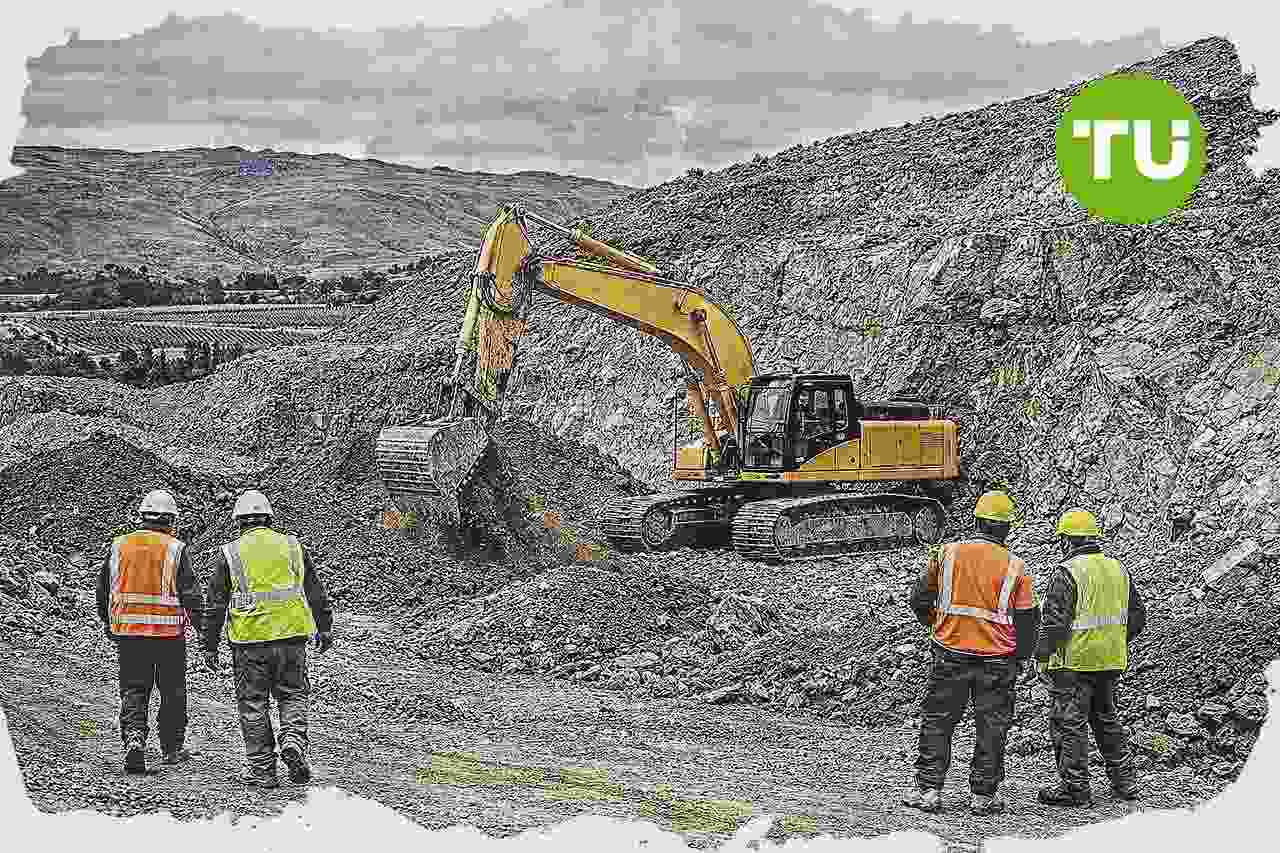
As bullion prices remain near record highs, New Zealand is accelerating gold development to support growth in a weak economy and revive a mining industry that has been in long-term decline. The push is testing the country's clean, natural brand as environmental groups and parts of the wine sector warn that a larger mining footprint could carry wider costs.
Highlights
- New Zealand's approved gold projects could double production by the mid-2030s, aiming to exceed the NZ$3 billion mineral export target by 2035.
- The government granted 163 new exploration permits in 2023 (up 16% YoY) and passed a 2024 law expediting approvals for mining and infrastructure projects.
- OceanaGold plans NZ$1 billion investment in Waihi North with 2032 output, while Santana Minerals awaits a crucial Otago project decision by October 29, 2026, amid environmental opposition.
Gold project pipeline and policy support
As reported by Reuters, New Zealand's gold production is on track to double by the mid-2030s to its highest level in at least three decades, based on Reuters calculations drawing on approved projects and another awaiting a final decision. That trajectory would help put the country on course to exceed the government's target of raising annual mineral exports, including coal and silver, to NZ$3 billion by 2035.The government is seeking more mining investment as it tries to boost jobs amid near decade-high unemployment and weak business sentiment. Official data shows New Zealand granted 163 new permits for prospecting, mining and exploration last year, up 16% from a year earlier.
To support that strategy, New Zealand passed a law in late 2024 designed to cut approval times for selected infrastructure, mining and energy projects from years to months. The fast-track consenting process allows developments to bypass some standard regulatory steps and limits public consultation and legal challenges, although the opposition Labour Party says it would change the law so environmental protections cannot be overridden.
Resources Minister Shane Jones says the government remains committed to backing the sector after cutting its economic growth forecast for next year to 2.3% last month. Gold has become a rare bright spot, with export revenue nearly tripling in three years to NZ$1.83 billion, equal to 2.3% of total goods exports compared with 0.9% in 2022.
Regional jobs promise meets environmental resistance
Mining companies say New Zealand is still underexplored and can attract workers and capital if policy remains stable. Endura Mining's Snowy River project is set to begin production in December, and its chair Jake Klein says the operation is expected to create 250 regional jobs and contribute at least NZ$350 million a year to export revenue, based on government estimates.OceanaGold, the country's largest gold producer, expects to invest NZ$1 billion in its Waihi North project, with production starting in 2032. The company says its regional operations already attract workers, including from Australia, who want to live outside major cities.
The sharpest dispute is unfolding in Central Otago on the South Island, where Santana Minerals is awaiting consent for its Bendigo-Ophir project and a decision is due by October 29, 2026. Government estimates say the mine would add an average of NZ$360 million a year to GDP and directly employ 351 people, but wineries, heritage groups and environmental campaigners argue it could threaten water supplies, spread airborne pollutants and weaken a premium wine industry built over decades.
Actor Sam Neill, who owns the Two Paddocks winery in Central Otago, warns that approving Santana's proposal could open the way for more mining projects in the region. Opponents also say the fast-track system gives them limited time to respond, reinforcing concerns that the economic push for mining is overtaking environmental scrutiny ahead of the November 7 election.
Our earlier coverage focused on the Trump administration’s proposal to loosen operating rules for oil and gas drilling on U.S. federal lands, aiming to accelerate approvals and lower costs for producers. The plan included sharply reducing well-cleanup bond requirements and cutting the public comment period for permits, alongside proposed rollbacks of methane-related rules—moves that supporters frame as cutting red tape but critics say weaken environmental safeguards.





Latest Gold News










-
 Afghanistan
-
 Albania
-
 Algeria
-
 Angola
-
 Argentina
-
 Armenia
-
 Australia
-
 Austria
-
 Azerbaijan
-
 Bahamas
-
 Bahrain
-
 Bangladesh
-
 Belarus
-
 Belgium
-
 Bolivia
-
 Botswana
-
 Brazil
-
 Brunei
-
 Bulgaria
-
 Cambodia
-
 Cameroon
-
 Canada
-
 Chile
Chile
-
 China
China
-
 Colombia
-
 Congo
Congo
-
 Costa Rica
-
 Cote d'Ivoire
-
 Croatia
-
 Cuba
Cuba
-
 Cyprus
-
 Czechia
-
 DR Congo
-
 Denmark
-
 Dominican Republic
-
 Ecuador
-
 Egypt
Egypt
-
 El Salvador
-
 Estonia
-
 Eswatini
-
 Ethiopia
-
 Finland
-
 France
-
 Georgia
-
 Germany
-
 Ghana
Ghana
-
 Greece
-
 Haiti
Haiti
-
 Hong Kong
-
 Hungary
-
 India
India
-
 Indonesia
-
 Iran, Islamic republic
-
 Iraq
Iraq
-
 Ireland
-
 Israel
-
 Italy
Italy
-
 Jamaica
-
 Japan
Japan
-
 Jordan
-
 Kazakhstan
-
 Kenya
Kenya
-
 Korea
Korea
-
 Kuwait
-
 Kyrgyzstan
-
 Laos
Laos
-
 Latvia
-
 Lebanon
-
 Lesotho
-
 Libya
Libya
-
 Lithuania
-
 Luxembourg
-
 Madagascar
-
 Malaysia
-
 Malta
Malta
-
 Mauritius
-
 Mexico
-
 Moldova
-
 Mongolia
-
 Montenegro
-
 Morocco
-
 Mozambique
-
 Myanmar
-
 Namibia
-
 Nepal
Nepal
-
 Netherlands
-
 New Zealand
-
 Nigeria
-
 North Macedonia
-
 Norway
-
 Oman
Oman
-
 Pakistan
-
 Palestine
-
 Panama
-
 Papua New Guinea
-
 Paraguay
-
 Peru
Peru
-
 Philippines
-
 Poland
-
 Portugal
-
 Puerto Rico
-
 Qatar
Qatar
-
 Reunion
-
 Romania
-
 Rwanda
-
 Saudi Arabia
-
 Serbia
-
 Singapore
-
 Slovakia
-
 Slovenia
-
 Somalia
-
 South Africa
-
 Spain
Spain
-
 Sri Lanka
-
 Sweden
-
 Switzerland
-
 Syria
Syria
-
 Taiwan
-
 Tajikistan
-
 Tanzania
-
 Thailand
-
 Trinidad and Tobago
-
 Tunisia
-
 Turkey
-
 UAE
UAE
-
 Uganda
-
 Ukraine
-
 United Kingdom
-
United States
-
 Uruguay
-
 Uzbekistan
-
 Venezuela
-
 Vietnam
-
 Yemen
Yemen
-
 Zambia
-
 Zimbabwe
- Forex
- Crypto












