
Trump administration allows Iran to access frozen funds for U.S. goods purchases
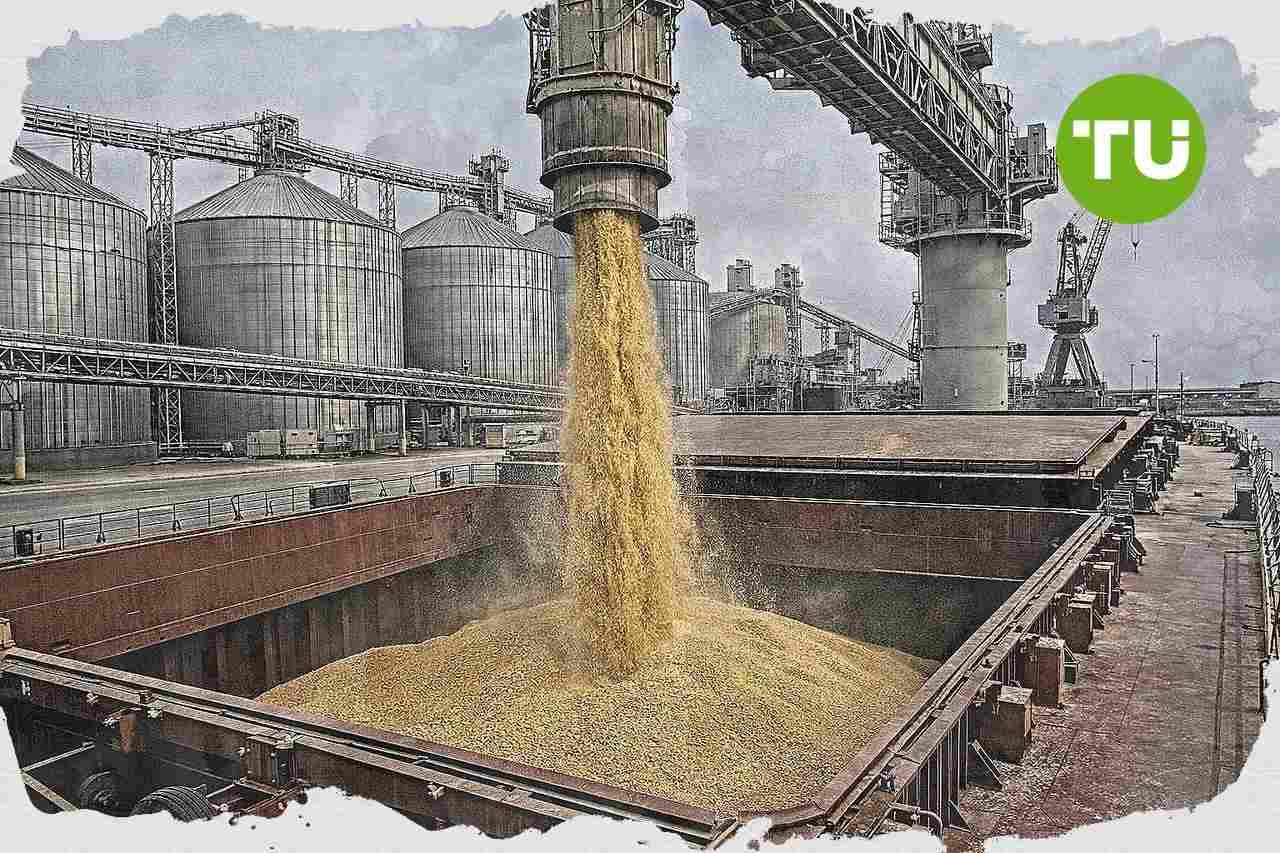
After a new round of U.S.-Iran diplomacy tied to an extended ceasefire, Washington is allowing Tehran to begin drawing on $6 billion in oil revenue held in Qatar to buy American food and medical supplies. The arrangement signals a financial incentive linked to broader talks over Iran's nuclear programme, regional de-escalation and the reopening of the Strait of Hormuz.
Highlights
- Iran granted phased access to $6 billion in Doha-based funds for exclusive purchases of U.S. food and medical supplies, per a new Trump administration agreement.
- U.S. Treasury issued a waiver post-Switzerland talks allowing Iran to sell oil, including in U.S. dollars, until August 21, with potential access to an additional $6 billion if negotiations progress.
- Iran agreed to invite International Atomic Energy Agency inspectors for potential cooperation but maintains restricted access to key nuclear sites including Natanz, Fordow, and Isfahan.
Funds release framework and permitted purchases
As first reported by Financial Times, the Trump administration has agreed to let Iran access the first $6 billion in phased releases, with the money restricted to humanitarian and agricultural purchases from the U.S. President Donald Trump said in a Truth Social post on Tuesday that the funds would be used "for the purchase of food and medical supplies, exclusively from the United States," including corn, wheat and soybeans from U.S. farmers.Trump described the measure as a response to what he called a humanitarian crisis in Iran. A person briefed on the talks said the money would be released in stages depending on progress in future negotiations, and that another $6 billion could become available under a similar structure if Tehran uses the Doha-based funds and the talks advance toward a final settlement and nuclear deal.
The funds in Qatar were previously held in South Korea before being transferred to Doha under a September 2023 prisoner-swap arrangement agreed during the Biden administration. Although that earlier deal was seen at the time as a possible opening for broader nuclear progress, Tehran was never able to access the money after regional tensions surged following Hamas's October 7, 2023 attack on Israel.
Nuclear talks and wider regional implications
Washington's move comes after the first high-level U.S.-Iran talks in Switzerland since the two sides agreed last week to extend the April 8 ceasefire by 60 days. The interim deal also reopens the Strait of Hormuz and creates a framework for negotiations over the future of Iran's nuclear programme.Hours after the talks ended on Monday, the U.S. Treasury issued a waiver allowing Iran to sell oil, including in U.S. dollars, until August 21. U.S. vice-president JD Vance, who led the American delegation, said Iran had agreed to invite International Atomic Energy Agency inspectors back into the country, although Iran's foreign ministry said Tehran did not negotiate the nuclear file during the 18-hour discussions and did not accept new commitments.
A person briefed on the talks said Iran had agreed to invite IAEA inspectors and explore future co-operation. Trump also said Iran had accepted the highest level of nuclear inspections, while the two sides agreed to establish a deconfliction cell aimed at stopping fighting between Israel and Hizbollah in Lebanon, a flashpoint that threatens wider efforts to reach a lasting peace arrangement.
Iran still does not permit inspectors access to the Natanz, Fordow and Isfahan facilities, which were heavily damaged during last year's bombing campaign. Tehran is also estimated to have tens of billions of dollars in oil proceeds frozen in overseas central banks, including in India, Iraq, China and Japan, because of U.S. sanctions.
Our earlier article on oil prices and the U.S.-Iran talks explained that crude benchmarks eased as traders looked past the initial diplomatic boost and focused on whether tanker traffic through the Strait of Hormuz was returning to normal. It also noted that Washington’s 60-day sanctions waiver for Iran offered short-term relief but left markets cautious, with supply risks still hinging on any disruption in Hormuz.


Latest UN Sanctions News







-
 Afghanistan
-
 Albania
-
 Algeria
-
 Angola
-
 Argentina
-
 Armenia
-
 Australia
-
 Austria
-
 Azerbaijan
-
 Bahamas
-
 Bahrain
-
 Bangladesh
-
 Belarus
-
 Belgium
-
 Bolivia
-
 Botswana
-
 Brazil
-
 Brunei
-
 Bulgaria
-
 Cambodia
-
 Cameroon
-
 Canada
-
 Chile
Chile
-
 China
China
-
 Colombia
-
 Congo
Congo
-
 Costa Rica
-
 Cote d'Ivoire
-
 Croatia
-
 Cuba
Cuba
-
 Cyprus
-
 Czechia
-
 DR Congo
-
 Denmark
-
 Dominican Republic
-
 Ecuador
-
 Egypt
Egypt
-
 El Salvador
-
 Estonia
-
 Eswatini
-
 Ethiopia
-
 Finland
-
 France
-
 Georgia
-
 Germany
-
 Ghana
Ghana
-
 Greece
-
 Haiti
Haiti
-
 Hong Kong
-
 Hungary
-
 India
India
-
 Indonesia
-
 Iran, Islamic republic
-
 Iraq
Iraq
-
 Ireland
-
 Israel
-
 Italy
Italy
-
 Jamaica
-
 Japan
Japan
-
 Jordan
-
 Kazakhstan
-
 Kenya
Kenya
-
 Korea
Korea
-
 Kuwait
-
 Kyrgyzstan
-
 Laos
Laos
-
 Latvia
-
 Lebanon
-
 Lesotho
-
 Libya
Libya
-
 Lithuania
-
 Luxembourg
-
 Madagascar
-
 Malaysia
-
 Malta
Malta
-
 Mauritius
-
 Mexico
-
 Moldova
-
 Mongolia
-
 Montenegro
-
 Morocco
-
 Mozambique
-
 Myanmar
-
 Namibia
-
 Nepal
Nepal
-
 Netherlands
-
 New Zealand
-
 Nigeria
-
 North Macedonia
-
 Norway
-
 Oman
Oman
-
 Pakistan
-
 Palestine
-
 Panama
-
 Papua New Guinea
-
 Paraguay
-
 Peru
Peru
-
 Philippines
-
 Poland
-
 Portugal
-
 Puerto Rico
-
 Qatar
Qatar
-
 Reunion
-
 Romania
-
 Rwanda
-
 Saudi Arabia
-
 Serbia
-
 Singapore
-
 Slovakia
-
 Slovenia
-
 Somalia
-
 South Africa
-
 Spain
Spain
-
 Sri Lanka
-
 Sweden
-
 Switzerland
-
 Syria
Syria
-
 Taiwan
-
 Tajikistan
-
 Tanzania
-
 Thailand
-
 Trinidad and Tobago
-
 Tunisia
-
 Turkey
-
 UAE
UAE
-
 Uganda
-
 Ukraine
-
 United Kingdom
-
United States
-
 Uruguay
-
 Uzbekistan
-
 Venezuela
-
 Vietnam
-
 Yemen
Yemen
-
 Zambia
-
 Zimbabwe
- Forex
- Crypto











