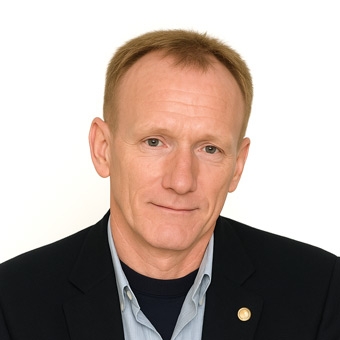
Louisiana senator Bill Cassidy pushes Social Security reform plan as trust fund shortfall nears

With Social Security's retirement trust fund projected to face depletion in 2032, Sen. Bill Cassidy is making a final push for a financing overhaul before his term ends in January 2027. The Louisiana Republican says his proposal would use a separate investment fund to buy stocks on the program's behalf, aiming to reduce long-term funding gaps without immediately raising taxes or cutting benefits.
Highlights
- Social Security's trustees reported on June 9 that the Old-Age and Survivors Insurance trust fund may deplete by Q4 2032, covering only 78% of benefits unless Congress acts.
- Senator Bill Cassidy's plan proposes investing $1.5 trillion over five years in the stock market via a separate fund, potentially covering 60–65% of the unfunded liability over 65–70 years.
- Cassidy's approach faces political hurdles as bipartisan Senate support is required, with Democrats favoring tax increases and Republicans often preferring retirement age adjustments.
Reform plan gains urgency after new trustees report
As reported by CNBC, Cassidy says he is prioritizing Social Security legislation in his final months in office after losing his May primary for reelection. He tells the outlet that Congress needs to act quickly because delays make the program's financing problem harder and more painful to solve.The latest annual report from Social Security's trustees, released June 9, projects that the Old-Age and Survivors Insurance trust fund may run out in the fourth quarter of 2032. At that point, 78% of scheduled benefits would be payable unless Congress changes the program, while combining the retirement and disability trust funds could extend that date to the third quarter of 2034, when 83% of benefits would be payable.
Cassidy is working with senators from both parties, including Dick Durbin, Tim Kaine and Thom Tillis, who said in a joint statement on June 10 that Congress should not delay further. Because Social Security legislation needs 60 votes in the Senate, any overhaul would have to attract bipartisan backing.
Stock investment proposal faces political test
Cassidy's proposal calls for putting $1.5 trillion into a fund separate from Social Security's existing trust funds over five years, with the money invested in the stock market. He says that over 65 to 70 years, the fund could grow enough to cover 60% to 65% of Social Security's unfunded accrued liability.According to Cassidy, the $1.5 trillion would be borrowed but would not increase the nation's debt because it would remain in government possession through an escrow account. He says the approach is modeled on changes to the federal Railroad Retirement system under President George W. Bush that allowed pension assets to be invested in private securities and improved that program's solvency.
The plan still faces uncertain support on Capitol Hill and from the White House. Democrats have advanced tax increases on wealthier Americans to strengthen Social Security, while many Republicans oppose tax hikes and often look instead at measures such as raising the retirement age, leaving Cassidy's market-based proposal to compete with more traditional options.
In our earlier article on AI-driven U.S. stock market leadership and rising volatility, we examined how a narrow set of tech winners, shifting Federal Reserve communication, and crowded investor positioning were increasing concentration and valuation risks. We also noted that higher-rate uncertainty can tighten financial conditions and pressure risk assets—an important backdrop as Washington debates major long-term financing choices that could intersect with markets and borrowing costs.





Latest Public Safety News










-
 Afghanistan
-
 Albania
-
 Algeria
-
 Angola
-
 Argentina
-
 Armenia
-
 Australia
-
 Austria
-
 Azerbaijan
-
 Bahamas
-
 Bahrain
-
 Bangladesh
-
 Belarus
-
 Belgium
-
 Bolivia
-
 Botswana
-
 Brazil
-
 Brunei
-
 Bulgaria
-
 Cambodia
-
 Cameroon
-
 Canada
-
 Chile
Chile
-
 China
China
-
 Colombia
-
 Congo
Congo
-
 Costa Rica
-
 Cote d'Ivoire
-
 Croatia
-
 Cuba
Cuba
-
 Cyprus
-
 Czechia
-
 DR Congo
-
 Denmark
-
 Dominican Republic
-
 Ecuador
-
 Egypt
Egypt
-
 El Salvador
-
 Estonia
-
 Eswatini
-
 Ethiopia
-
 Finland
-
 France
-
 Georgia
-
 Germany
-
 Ghana
Ghana
-
 Greece
-
 Haiti
Haiti
-
 Hong Kong
-
 Hungary
-
 India
India
-
 Indonesia
-
 Iran, Islamic republic
-
 Iraq
Iraq
-
 Ireland
-
 Israel
-
 Italy
Italy
-
 Jamaica
-
 Japan
Japan
-
 Jordan
-
 Kazakhstan
-
 Kenya
Kenya
-
 Korea
Korea
-
 Kuwait
-
 Kyrgyzstan
-
 Laos
Laos
-
 Latvia
-
 Lebanon
-
 Lesotho
-
 Libya
Libya
-
 Lithuania
-
 Luxembourg
-
 Madagascar
-
 Malaysia
-
 Malta
Malta
-
 Mauritius
-
 Mexico
-
 Moldova
-
 Mongolia
-
 Montenegro
-
 Morocco
-
 Mozambique
-
 Myanmar
-
 Namibia
-
 Nepal
Nepal
-
 Netherlands
-
 New Zealand
-
 Nigeria
-
 North Macedonia
-
 Norway
-
 Oman
Oman
-
 Pakistan
-
 Palestine
-
 Panama
-
 Papua New Guinea
-
 Paraguay
-
 Peru
Peru
-
 Philippines
-
 Poland
-
 Portugal
-
 Puerto Rico
-
 Qatar
Qatar
-
 Reunion
-
 Romania
-
 Rwanda
-
 Saudi Arabia
-
 Serbia
-
 Singapore
-
 Slovakia
-
 Slovenia
-
 Somalia
-
 South Africa
-
 Spain
Spain
-
 Sri Lanka
-
 Sweden
-
 Switzerland
-
 Syria
Syria
-
 Taiwan
-
 Tajikistan
-
 Tanzania
-
 Thailand
-
 Trinidad and Tobago
-
 Tunisia
-
 Turkey
-
 UAE
UAE
-
 Uganda
-
 Ukraine
-
 United Kingdom
-
United States
-
 Uruguay
-
 Uzbekistan
-
 Venezuela
-
 Vietnam
-
 Yemen
Yemen
-
 Zambia
-
 Zimbabwe
- Forex
- Crypto











