
U.S. new home sales fall in May as mortgage rates weigh on demand
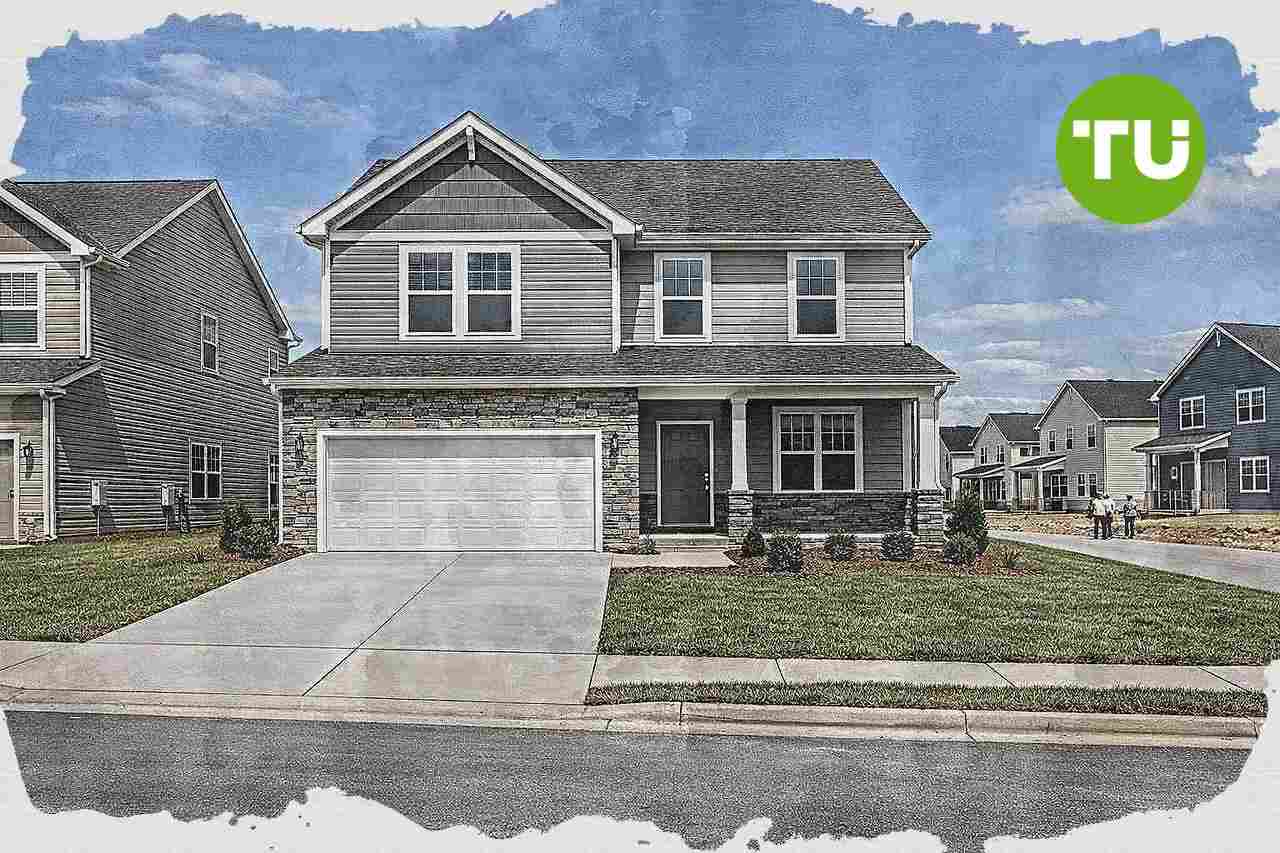
Higher borrowing costs continue to pressure the U.S. housing market, with demand for newly built homes weakening in May. The decline comes as mortgage rates rise alongside higher oil prices, inflation concerns and Treasury yields.
Highlights
- U.S. new single-family home sales fell 7.3% in May to a seasonally adjusted annualized rate of 580,000 units, according to the Census Bureau.
- Sales are down 6.8% year-over-year in May, while the median new house price of $424,900 remains little changed from last year.
- The average 30-year fixed mortgage rate hit 6.47% last week after rising 50 basis points since late February, further dampening homebuying demand.
May sales decline and pricing trends
As reported by the Commerce Department's Census Bureau, sales of new U.S. single-family homes fall 7.3% in May to a seasonally adjusted annualized rate of 580,000 units.New home sales, which are counted at the closing of a contract, make up a relatively small share of overall U.S. home sales and can be volatile from month to month. They are down 6.8% from a year earlier in May, while the median new house price of $424,900 is little changed from the same month last year.
Mortgage costs add pressure to housing demand
Demand is being restrained as higher mortgage rates and home prices keep potential buyers on the sidelines. The rate on the widely used 30-year fixed mortgage rises by about 50 basis points after the U.S.-led war with Iran begins at the end of February, according to Freddie Mac data.The average 30-year fixed mortgage rate stands at 6.47% last week. Rising oil prices linked to the conflict have also lifted inflation concerns and Treasury yields, adding further pressure to borrowing costs across the housing market.
In our earlier report on the U.S. current account deficit widening in the first quarter, we noted that the shortfall rose to $226.8 billion (2.9% of GDP) as the primary income balance swung into deficit. We highlighted that weaker income receipts and record-high payments offset an improvement in the trade gap, underscoring ongoing pressure points in U.S. external balances.





Latest Housing Market News









-
 Afghanistan
-
 Albania
-
 Algeria
-
 Angola
-
 Argentina
-
 Armenia
-
 Australia
-
 Austria
-
 Azerbaijan
-
 Bahamas
-
 Bahrain
-
 Bangladesh
-
 Belarus
-
 Belgium
-
 Bolivia
-
 Botswana
-
 Brazil
-
 Brunei
-
 Bulgaria
-
 Cambodia
-
 Cameroon
-
 Canada
-
 Chile
Chile
-
 China
China
-
 Colombia
-
 Congo
Congo
-
 Costa Rica
-
 Cote d'Ivoire
-
 Croatia
-
 Cuba
Cuba
-
 Cyprus
-
 Czechia
-
 DR Congo
-
 Denmark
-
 Dominican Republic
-
 Ecuador
-
 Egypt
Egypt
-
 El Salvador
-
 Estonia
-
 Eswatini
-
 Ethiopia
-
 Finland
-
 France
-
 Georgia
-
 Germany
-
 Ghana
Ghana
-
 Greece
-
 Haiti
Haiti
-
 Hong Kong
-
 Hungary
-
 India
India
-
 Indonesia
-
 Iran, Islamic republic
-
 Iraq
Iraq
-
 Ireland
-
 Israel
-
 Italy
Italy
-
 Jamaica
-
 Japan
Japan
-
 Jordan
-
 Kazakhstan
-
 Kenya
Kenya
-
 Korea
Korea
-
 Kuwait
-
 Kyrgyzstan
-
 Laos
Laos
-
 Latvia
-
 Lebanon
-
 Lesotho
-
 Libya
Libya
-
 Lithuania
-
 Luxembourg
-
 Madagascar
-
 Malaysia
-
 Malta
Malta
-
 Mauritius
-
 Mexico
-
 Moldova
-
 Mongolia
-
 Montenegro
-
 Morocco
-
 Mozambique
-
 Myanmar
-
 Namibia
-
 Nepal
Nepal
-
 Netherlands
-
 New Zealand
-
 Nigeria
-
 North Macedonia
-
 Norway
-
 Oman
Oman
-
 Pakistan
-
 Palestine
-
 Panama
-
 Papua New Guinea
-
 Paraguay
-
 Peru
Peru
-
 Philippines
-
 Poland
-
 Portugal
-
 Puerto Rico
-
 Qatar
Qatar
-
 Reunion
-
 Romania
-
 Rwanda
-
 Saudi Arabia
-
 Serbia
-
 Singapore
-
 Slovakia
-
 Slovenia
-
 Somalia
-
 South Africa
-
 Spain
Spain
-
 Sri Lanka
-
 Sweden
-
 Switzerland
-
 Syria
Syria
-
 Taiwan
-
 Tajikistan
-
 Tanzania
-
 Thailand
-
 Trinidad and Tobago
-
 Tunisia
-
 Turkey
-
 UAE
UAE
-
 Uganda
-
 Ukraine
-
 United Kingdom
-
United States
-
 Uruguay
-
 Uzbekistan
-
 Venezuela
-
 Vietnam
-
 Yemen
Yemen
-
 Zambia
-
 Zimbabwe
- Forex
- Crypto











