
UK-EU ties need closer security and trade cooperation after Brexit, Bloomberg says
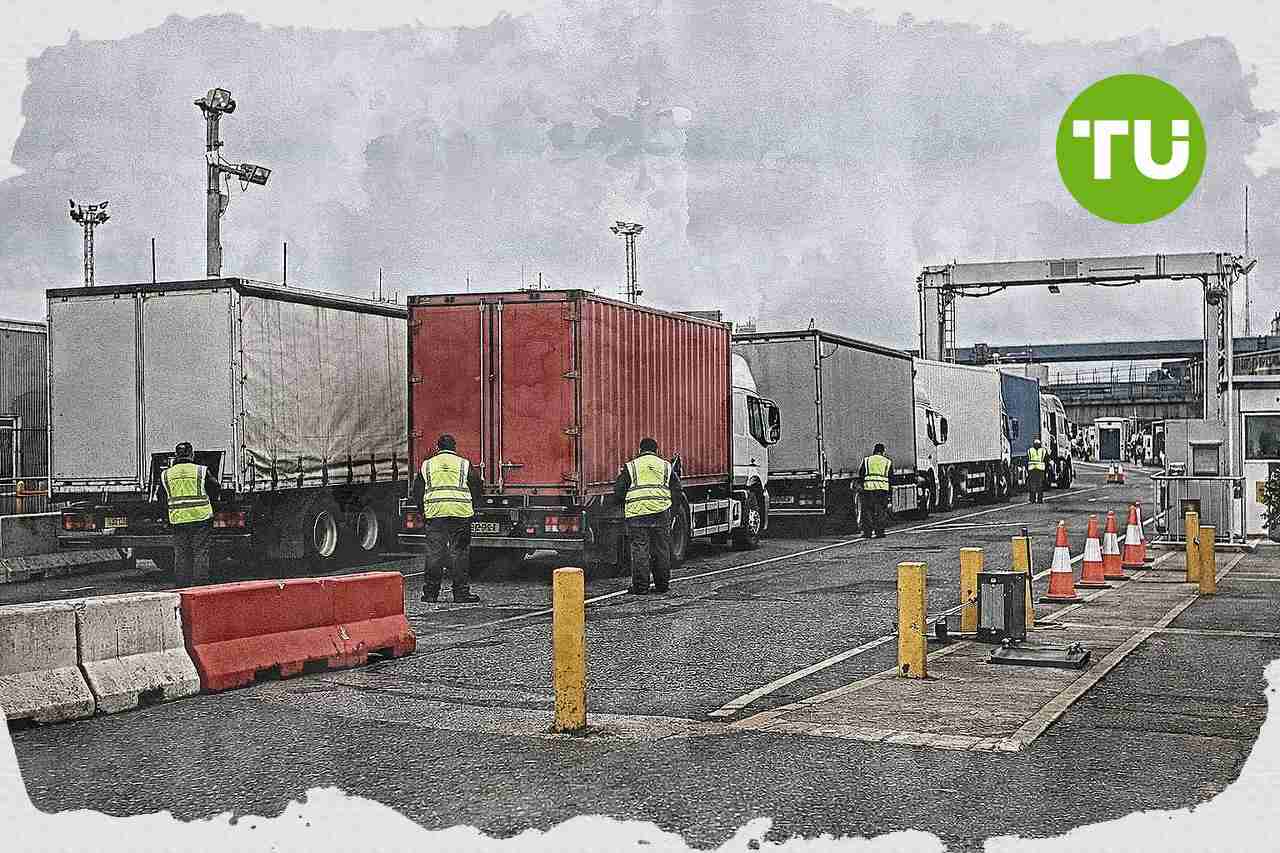
A decade after Brexit, the UK and the European Union are still facing the economic and political fallout from the split as both sides confront a more volatile global environment. Michael Bloomberg argues that closer cooperation on security, trade and youth mobility remains achievable even if any return to EU membership stays far off.
Highlights
- Michael Bloomberg states UK productivity and output have weakened post-Brexit, with new trade deals failing to offset broader economic costs.
- Net non-EU migration to the UK surged from about 200,000 pre-Brexit to nearly 1 million in 2023, straining border enforcement and public services.
- Bloomberg urges deeper UK-EU cooperation on defense, energy markets, carbon trading, and youth labor mobility to address heightened geopolitical and economic vulnerabilities.
Brexit costs and the case for renewed cooperation
As reported by Bloomberg, Michael Bloomberg says the economic promises of Brexit have not materialized, while the UK has absorbed weaker productivity, lower output and prolonged political instability. He writes that the UK still follows much EU regulation in many areas without having a say over its design, while gains from new trade deals remain limited compared with the broader costs of leaving.Bloomberg also argues that migration outcomes have diverged from what Brexit supporters promised. Net migration from the EU has fallen sharply, he says, but non-EU net migration climbed from about 200,000 before Brexit to nearly 1 million at its 2023 peak and remains above pre-Brexit levels, while undocumented arrivals stay higher and border enforcement is hampered by the loss of direct access to some EU security and policing tools.
He adds that Brexit has consumed years of government attention that could otherwise have gone toward investment, productivity and public-service reform. In his view, the challenges facing the new prime minister are harder because the country is poorer than it would have been under continued EU membership.
Security, trade and labor links in focus
Bloomberg says Europe also loses from the separation because the bloc is weaker without Britain's financial strength, military resources and diplomatic weight at a time when Russia is more dangerous, China is more powerful and the UK's relationship with the U.S. is less certain. He argues that this backdrop makes closer UK-EU coordination more urgent.He calls for both sides to deepen cooperation on defense spending, procurement, weapons and munitions stockpiles, cyber resilience and industrial capacity. He also says the UK and the EU can cut economic friction by easing border checks, linking carbon emissions trading systems and coordinating electricity markets to reduce costs, improve resilience and support decarbonization.
Bloomberg further argues for greater labor-market cooperation, especially for young people, saying younger Britons have lost the most from Brexit and strongly favor rejoining the EU. He says wider access between the UK and the EU for education, work and language opportunities would benefit both sides, even if broader reentry remains a long-term goal.
In our earlier article on the UK’s vehicle production rebound and export trends, we noted that May output rose slightly thanks to a sharp jump in shipments to the U.S., even as exports to the EU fell. We also highlighted industry warnings that post-Brexit trade rules—especially tighter rules of origin from 2027—along with high energy costs and weak EV demand could further squeeze competitiveness and investment.





Latest Labor Market News









-
 Afghanistan
-
 Albania
-
 Algeria
-
 Angola
-
 Argentina
-
 Armenia
-
 Australia
-
 Austria
-
 Azerbaijan
-
 Bahamas
-
 Bahrain
-
 Bangladesh
-
 Belarus
-
 Belgium
-
 Bolivia
-
 Botswana
-
 Brazil
-
 Brunei
-
 Bulgaria
-
 Cambodia
-
 Cameroon
-
 Canada
-
 Chile
Chile
-
 China
China
-
 Colombia
-
 Congo
Congo
-
 Costa Rica
-
 Cote d'Ivoire
-
 Croatia
-
 Cuba
Cuba
-
 Cyprus
-
 Czechia
-
 DR Congo
-
 Denmark
-
 Dominican Republic
-
 Ecuador
-
 Egypt
Egypt
-
 El Salvador
-
 Estonia
-
 Eswatini
-
 Ethiopia
-
 Finland
-
 France
-
 Georgia
-
 Germany
-
 Ghana
Ghana
-
 Greece
-
 Haiti
Haiti
-
 Hong Kong
-
 Hungary
-
 India
India
-
 Indonesia
-
 Iran, Islamic republic
-
 Iraq
Iraq
-
 Ireland
-
 Israel
-
 Italy
Italy
-
 Jamaica
-
 Japan
Japan
-
 Jordan
-
 Kazakhstan
-
 Kenya
Kenya
-
 Korea
Korea
-
 Kuwait
-
 Kyrgyzstan
-
 Laos
Laos
-
 Latvia
-
 Lebanon
-
 Lesotho
-
 Libya
Libya
-
 Lithuania
-
 Luxembourg
-
 Madagascar
-
 Malaysia
-
 Malta
Malta
-
 Mauritius
-
 Mexico
-
 Moldova
-
 Mongolia
-
 Montenegro
-
 Morocco
-
 Mozambique
-
 Myanmar
-
 Namibia
-
 Nepal
Nepal
-
 Netherlands
-
 New Zealand
-
 Nigeria
-
 North Macedonia
-
 Norway
-
 Oman
Oman
-
 Pakistan
-
 Palestine
-
 Panama
-
 Papua New Guinea
-
 Paraguay
-
 Peru
Peru
-
 Philippines
-
 Poland
-
 Portugal
-
 Puerto Rico
-
 Qatar
Qatar
-
 Reunion
-
 Romania
-
 Rwanda
-
 Saudi Arabia
-
 Serbia
-
 Singapore
-
 Slovakia
-
 Slovenia
-
 Somalia
-
 South Africa
-
 Spain
Spain
-
 Sri Lanka
-
 Sweden
-
 Switzerland
-
 Syria
Syria
-
 Taiwan
-
 Tajikistan
-
 Tanzania
-
 Thailand
-
 Trinidad and Tobago
-
 Tunisia
-
 Turkey
-
 UAE
UAE
-
 Uganda
-
 Ukraine
-
 United Kingdom
-
United States
-
 Uruguay
-
 Uzbekistan
-
 Venezuela
-
 Vietnam
-
 Yemen
Yemen
-
 Zambia
-
 Zimbabwe
- Forex
- Crypto











