
U.S. core capital goods orders rebound in May, supporting equipment spending outlook
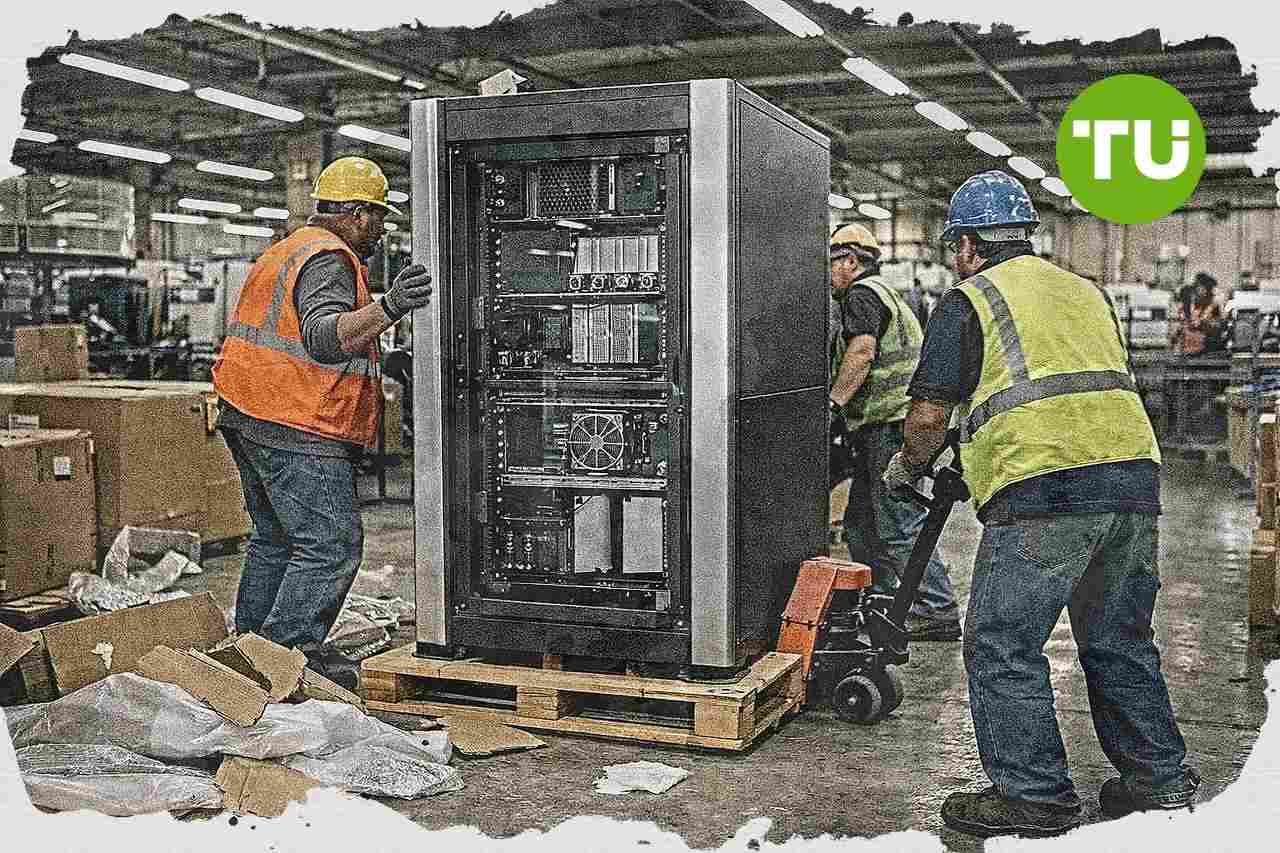
Broader demand for U.S.-made business equipment strengthens in May, pointing to continued support for economic growth in the second quarter. The rebound in core capital goods orders comes even as higher prices and supply chain disruption linked to the U.S.-Israeli war with Iran continue to weigh on parts of manufacturing.
Highlights
- U.S. non-defense capital goods orders excluding aircraft rise 1.6% in May after a 0.7% April decline, exceeding the expected 0.6% rebound.
- Core capital goods shipments increase 0.3% in May, supporting robust business equipment spending driven by AI-related investment and higher prices for memory chips.
- Overall durable goods orders fall 4.5% in May due to a 51.8% drop in non-defense aircraft and parts orders, as Boeing logs only 27 aircraft orders versus 136 in April.
May orders signal stronger business investment
As reported by the Commerce Department's Census Bureau, non-defense capital goods orders excluding aircraft, a closely watched proxy for business spending, increase 1.6% in May after an upwardly revised 0.7% decline in April.Economists polled by Reuters had forecast a 0.6% rebound after a previously reported 1.0% drop in April. Core capital goods shipments, which feed into the calculation of equipment spending in gross domestic product, rise 0.3% in May after increasing 0.5% in April.
Some of the gain in orders likely reflects higher prices, especially for memory chips. Businesses are ramping up investment in artificial intelligence, lifting demand for information processing equipment and related products.
Manufacturing pressures persist despite demand gains
Orders for computers and electronic products rebound 0.3%, while bookings for electrical equipment, appliances and components rise 0.3%. Orders also post hefty increases for fabricated metal products, primary metals and machinery.That demand is helping to blunt pressure on manufacturing from the U.S.-Israeli war with Iran, which disrupts supply chains and pushes up commodity prices including oil and aluminum. Business spending on equipment records double-digit growth in the first quarter, while estimates for second-quarter gross domestic product growth are currently as high as a 3.0% annualized rate after the economy grows at a 2.1% pace in the January-March quarter.
Overall durable goods orders, which cover items meant to last three years or more, fall 4.5% in May after surging 8.5% in April. The decline is driven by a 51.8% plunge in non-defense aircraft and parts orders, a volatile category, while Boeing says on its website that it receives 27 aircraft orders in May compared with 136 in April.
Our earlier article on Micron’s earnings highlighted a sharp beat and stronger guidance that underscored how AI infrastructure spending is translating into surging demand for memory chips. We also noted that higher memory prices and a growing number of long-term customer agreements are improving visibility in what has traditionally been a highly cyclical market.





Latest Housing Market News










-
 Afghanistan
-
 Albania
-
 Algeria
-
 Angola
-
 Argentina
-
 Armenia
-
 Australia
-
 Austria
-
 Azerbaijan
-
 Bahamas
-
 Bahrain
-
 Bangladesh
-
 Belarus
-
 Belgium
-
 Bolivia
-
 Botswana
-
 Brazil
-
 Brunei
-
 Bulgaria
-
 Cambodia
-
 Cameroon
-
 Canada
-
 Chile
Chile
-
 China
China
-
 Colombia
-
 Congo
Congo
-
 Costa Rica
-
 Cote d'Ivoire
-
 Croatia
-
 Cuba
Cuba
-
 Cyprus
-
 Czechia
-
 DR Congo
-
 Denmark
-
 Dominican Republic
-
 Ecuador
-
 Egypt
Egypt
-
 El Salvador
-
 Estonia
-
 Eswatini
-
 Ethiopia
-
 Finland
-
 France
-
 Georgia
-
 Germany
-
 Ghana
Ghana
-
 Greece
-
 Haiti
Haiti
-
 Hong Kong
-
 Hungary
-
 India
India
-
 Indonesia
-
 Iran, Islamic republic
-
 Iraq
Iraq
-
 Ireland
-
 Israel
-
 Italy
Italy
-
 Jamaica
-
 Japan
Japan
-
 Jordan
-
 Kazakhstan
-
 Kenya
Kenya
-
 Korea
Korea
-
 Kuwait
-
 Kyrgyzstan
-
 Laos
Laos
-
 Latvia
-
 Lebanon
-
 Lesotho
-
 Libya
Libya
-
 Lithuania
-
 Luxembourg
-
 Madagascar
-
 Malaysia
-
 Malta
Malta
-
 Mauritius
-
 Mexico
-
 Moldova
-
 Mongolia
-
 Montenegro
-
 Morocco
-
 Mozambique
-
 Myanmar
-
 Namibia
-
 Nepal
Nepal
-
 Netherlands
-
 New Zealand
-
 Nigeria
-
 North Macedonia
-
 Norway
-
 Oman
Oman
-
 Pakistan
-
 Palestine
-
 Panama
-
 Papua New Guinea
-
 Paraguay
-
 Peru
Peru
-
 Philippines
-
 Poland
-
 Portugal
-
 Puerto Rico
-
 Qatar
Qatar
-
 Reunion
-
 Romania
-
 Rwanda
-
 Saudi Arabia
-
 Serbia
-
 Singapore
-
 Slovakia
-
 Slovenia
-
 Somalia
-
 South Africa
-
 Spain
Spain
-
 Sri Lanka
-
 Sweden
-
 Switzerland
-
 Syria
Syria
-
 Taiwan
-
 Tajikistan
-
 Tanzania
-
 Thailand
-
 Trinidad and Tobago
-
 Tunisia
-
 Turkey
-
 UAE
UAE
-
 Uganda
-
 Ukraine
-
 United Kingdom
-
United States
-
 Uruguay
-
 Uzbekistan
-
 Venezuela
-
 Vietnam
-
 Yemen
Yemen
-
 Zambia
-
 Zimbabwe
- Forex
- Crypto











