
NATO summit underscores Trump’s sway over alliance diplomacy
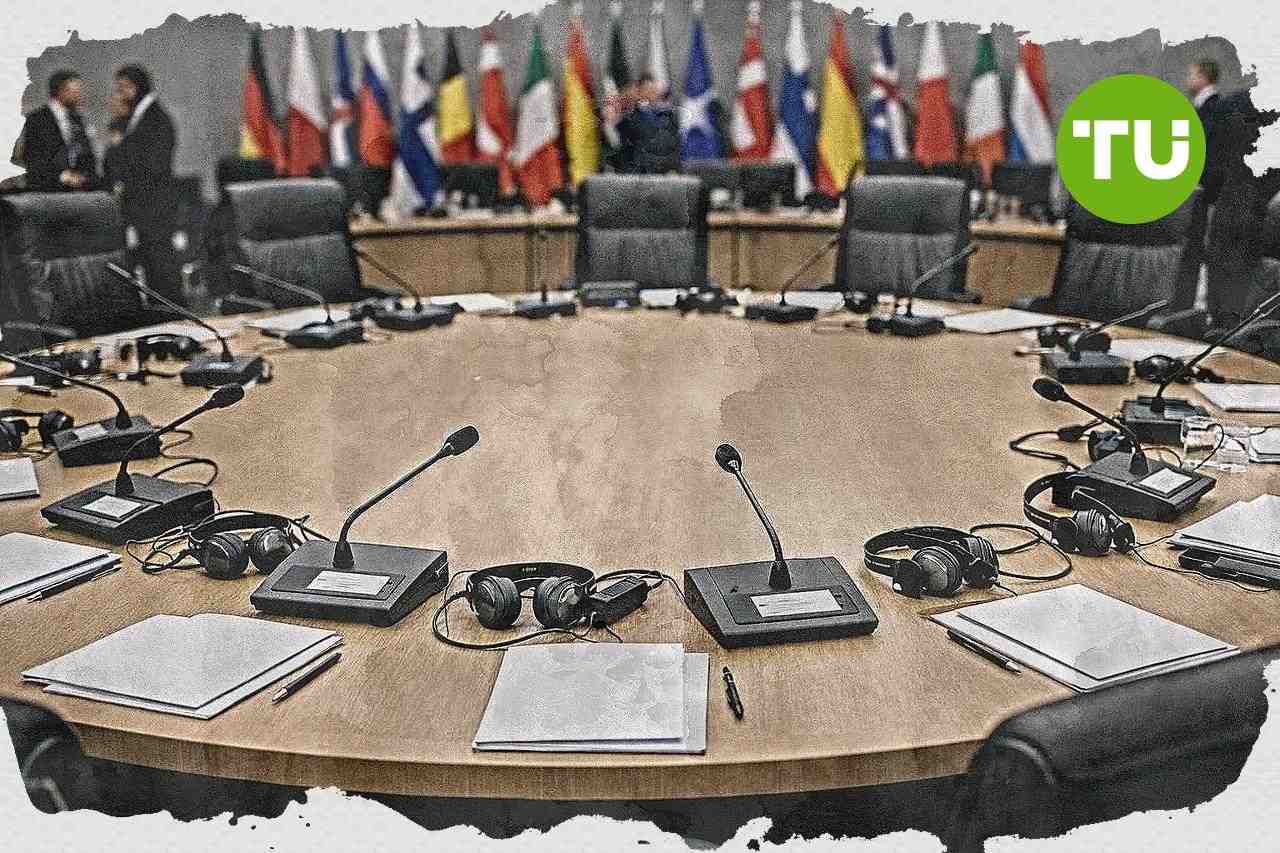
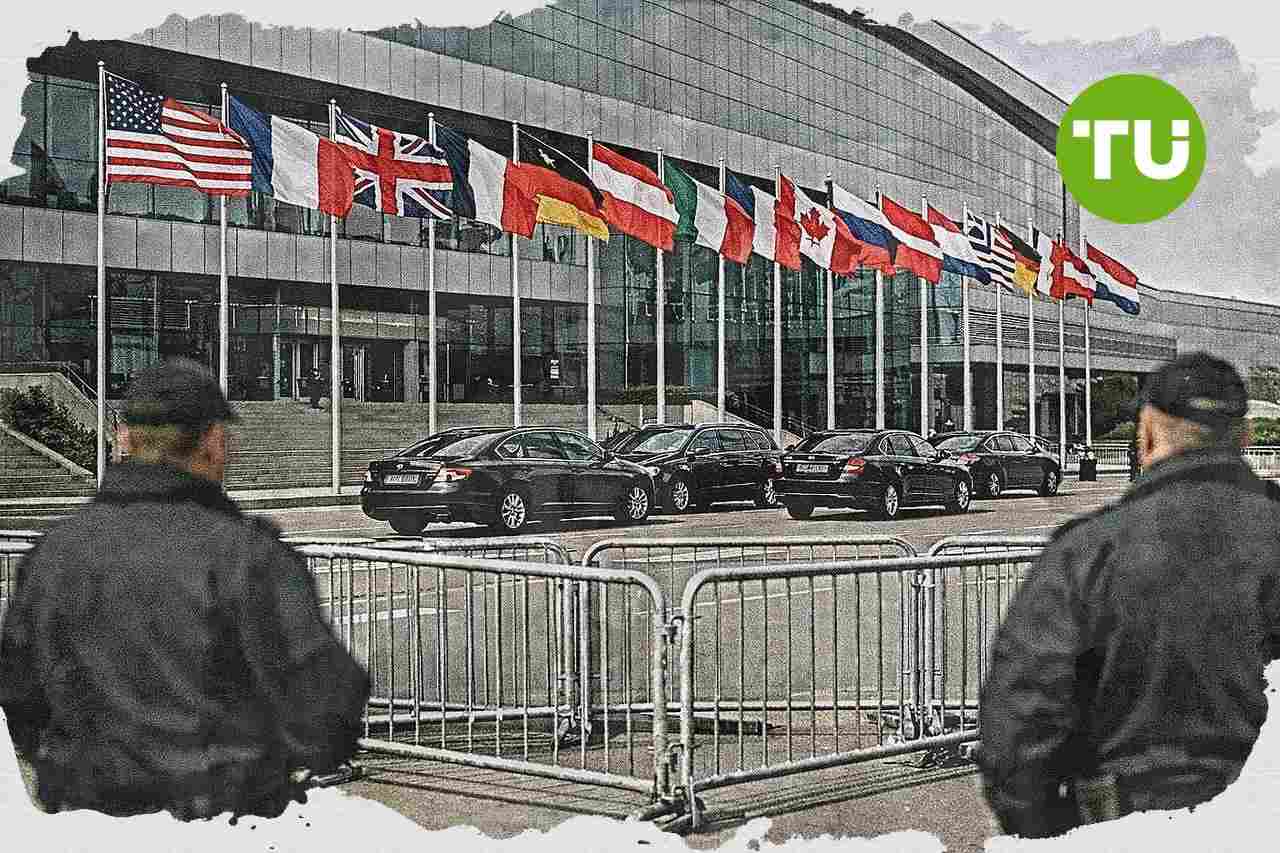
A fast-moving NATO summit in Turkey is turning into a test of how far Donald Trump can reshape alliance diplomacy, security messaging and market sentiment within hours. The gathering leaves NATO leaders balancing a warmer tone from the U.S. president against unresolved questions over Iran, Ukraine and Washington’s longer-term role in the alliance.
Highlights
- Oil prices rise and risk sentiment declines after Trump announces he is done engaging with Iran and the ceasefire framework at the NATO summit in Turkey.
- Spain and Denmark avoid major public criticism over defense spending while Zelenskyy advances toward potential Patriot missile system production and improves standing with the U.S.
- The summit boosts Turkish President Erdogan’s position and F-35 prospects, but leaves unresolved security and political questions due to continued uncertainty over Trump’s diplomatic direction.
Summit dynamics shift around Trump
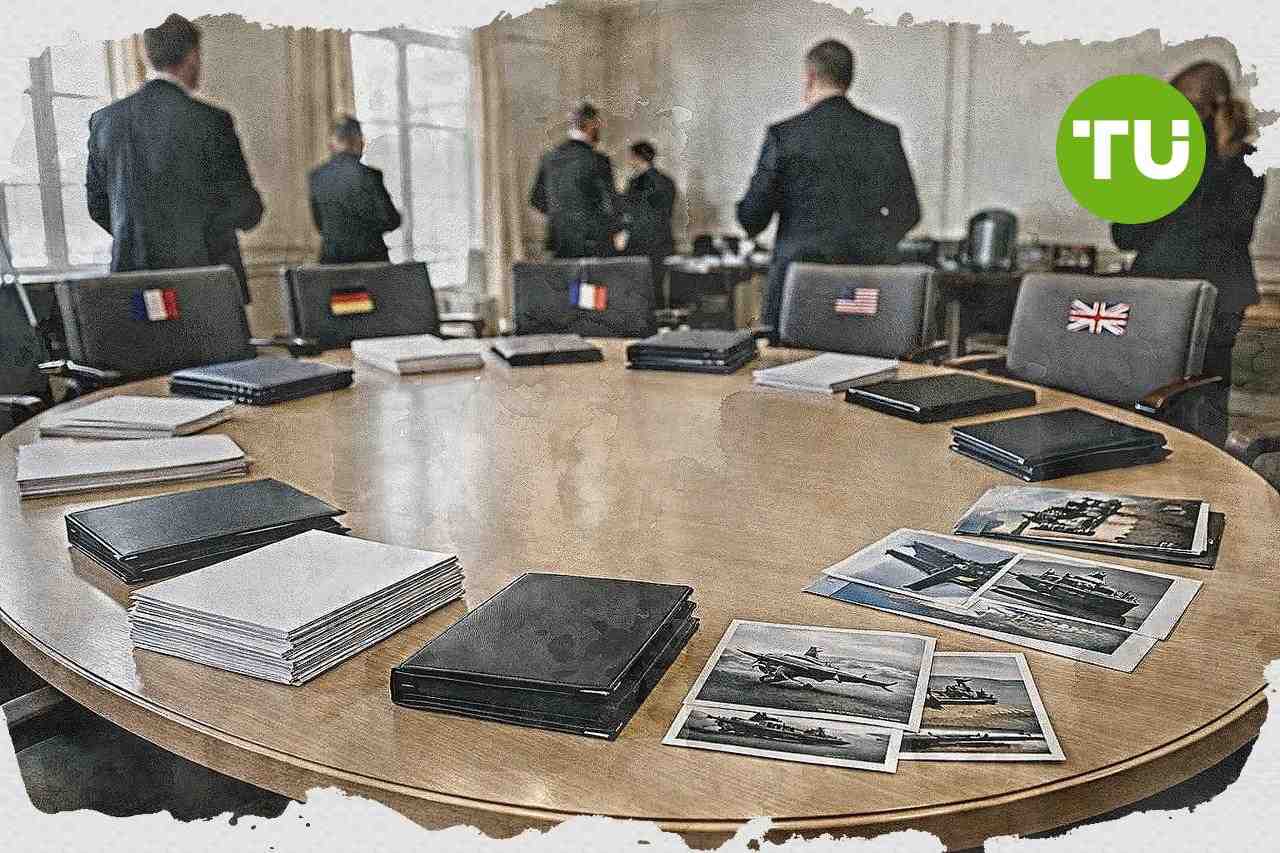
As reported by CNBC, the 48-hour meeting in Turkey centers on abrupt changes in Trump’s tone, with NATO allies moving from preparing for confrontation to describing a far more positive closed-door exchange. The summit agenda spans Iran, Russia’s war in Ukraine, European security, Greenland and disputes over defense spending, putting several flashpoints before the U.S. president at once.Before the mood improves, allies are bracing for criticism from Trump and Defense Secretary Pete Hegseth over military spending and broader security commitments. Spain is under pressure for failing to meet NATO spending goals, Denmark faces renewed criticism linked to Greenland, and Ukrainian President Volodymyr Zelenskyy arrives seeking reassurance from Washington at a time when his standing with the White House remains uncertain.
Markets also react sharply after Trump signals he is finished with dealing with the Iranians and with the ceasefire framework, sending oil higher and risk sentiment lower. Yet leaders later say the main meeting with Trump goes well, and the president himself describes strong unity and "tremendous love in the room" at his closing press conference.
Security and political implications remain unresolved
The shift in atmosphere produces visible political gains for some participants. Turkish President Recep Tayyip Erdogan appears to strengthen his position after hosting a smooth summit and moving closer to possible U.S. approval for F-35 fighter jets, while NATO Secretary General Mark Rutte helps preserve a cooperative tone with Washington.Spain and Denmark avoid major public rebukes in Trump’s closing remarks, and Zelenskyy appears to improve his position with the U.S. president as Ukraine stabilizes parts of the battlefield and carries the fight deeper into Russia. The Ukrainian leader may also move closer to an arrangement on Patriot missile system production, a longstanding priority for Kyiv.
For Russia, the display of NATO unity, higher defense spending momentum and warmer treatment of Ukraine are negative signals. Iran remains the main unresolved variable, however, as Trump offers little clarity beyond repeating that Tehran will not obtain a nuclear weapon during his watch.
The broader outcome is that the summit changes the mood inside NATO without settling the biggest strategic questions. Allies, adversaries and markets are still adjusting in real time to a diplomatic environment in which Trump’s shifting posture can rapidly alter expectations across the alliance.
Our earlier coverage of rising U.S.–Iran tensions explained how the renewed confrontation quickly fed into higher oil prices and expectations for prolonged pressure at the pump. We noted that prediction-market pricing and AAA data were both signaling a repricing of fuel-cost risks, with crude supported by a geopolitical risk premium tied to potential disruption concerns around the Strait of Hormuz.


Latest Ukraine News




-
 Afghanistan
-
 Albania
-
 Algeria
-
 Angola
-
 Argentina
-
 Armenia
-
 Australia
-
 Austria
-
 Azerbaijan
-
 Bahamas
-
 Bahrain
-
 Bangladesh
-
 Belarus
-
 Belgium
-
 Bolivia
-
 Botswana
-
 Brazil
-
 Brunei
-
 Bulgaria
-
 Cambodia
-
 Cameroon
-
 Canada
-
 Chile
Chile
-
 China
China
-
 Colombia
-
 Congo
Congo
-
 Costa Rica
-
 Cote d'Ivoire
-
 Croatia
-
 Cuba
Cuba
-
 Cyprus
-
 Czechia
-
 DR Congo
-
 Denmark
-
 Dominican Republic
-
 Ecuador
-
 Egypt
Egypt
-
 El Salvador
-
 Estonia
-
 Eswatini
-
 Ethiopia
-
 Finland
-
 France
-
 Georgia
-
 Germany
-
 Ghana
Ghana
-
 Greece
-
 Haiti
Haiti
-
 Hong Kong
-
 Hungary
-
 India
India
-
 Indonesia
-
 Iran, Islamic republic
-
 Iraq
Iraq
-
 Ireland
-
 Israel
-
 Italy
Italy
-
 Jamaica
-
 Japan
Japan
-
 Jordan
-
 Kazakhstan
-
 Kenya
Kenya
-
 Korea
Korea
-
 Kuwait
-
 Kyrgyzstan
-
 Laos
Laos
-
 Latvia
-
 Lebanon
-
 Lesotho
-
 Libya
Libya
-
 Lithuania
-
 Luxembourg
-
 Madagascar
-
 Malaysia
-
 Malta
Malta
-
 Mauritius
-
 Mexico
-
 Moldova
-
 Mongolia
-
 Montenegro
-
 Morocco
-
 Mozambique
-
 Myanmar
-
 Namibia
-
 Nepal
Nepal
-
 Netherlands
-
 New Zealand
-
 Nigeria
-
 North Macedonia
-
 Norway
-
 Oman
Oman
-
 Pakistan
-
 Palestine
-
 Panama
-
 Papua New Guinea
-
 Paraguay
-
 Peru
Peru
-
 Philippines
-
 Poland
-
 Portugal
-
 Puerto Rico
-
 Qatar
Qatar
-
 Reunion
-
 Romania
-
 Rwanda
-
 Saudi Arabia
-
 Serbia
-
 Singapore
-
 Slovakia
-
 Slovenia
-
 Somalia
-
 South Africa
-
 Spain
Spain
-
 Sri Lanka
-
 Sweden
-
 Switzerland
-
 Syria
Syria
-
 Taiwan
-
 Tajikistan
-
 Tanzania
-
 Thailand
-
 Trinidad and Tobago
-
 Tunisia
-
 Turkey
-
 UAE
UAE
-
 Uganda
-
 Ukraine
-
 United Kingdom
-
United States
-
 Uruguay
-
 Uzbekistan
-
 Venezuela
-
 Vietnam
-
 Yemen
Yemen
-
 Zambia
-
 Zimbabwe
- Forex
- Crypto











