
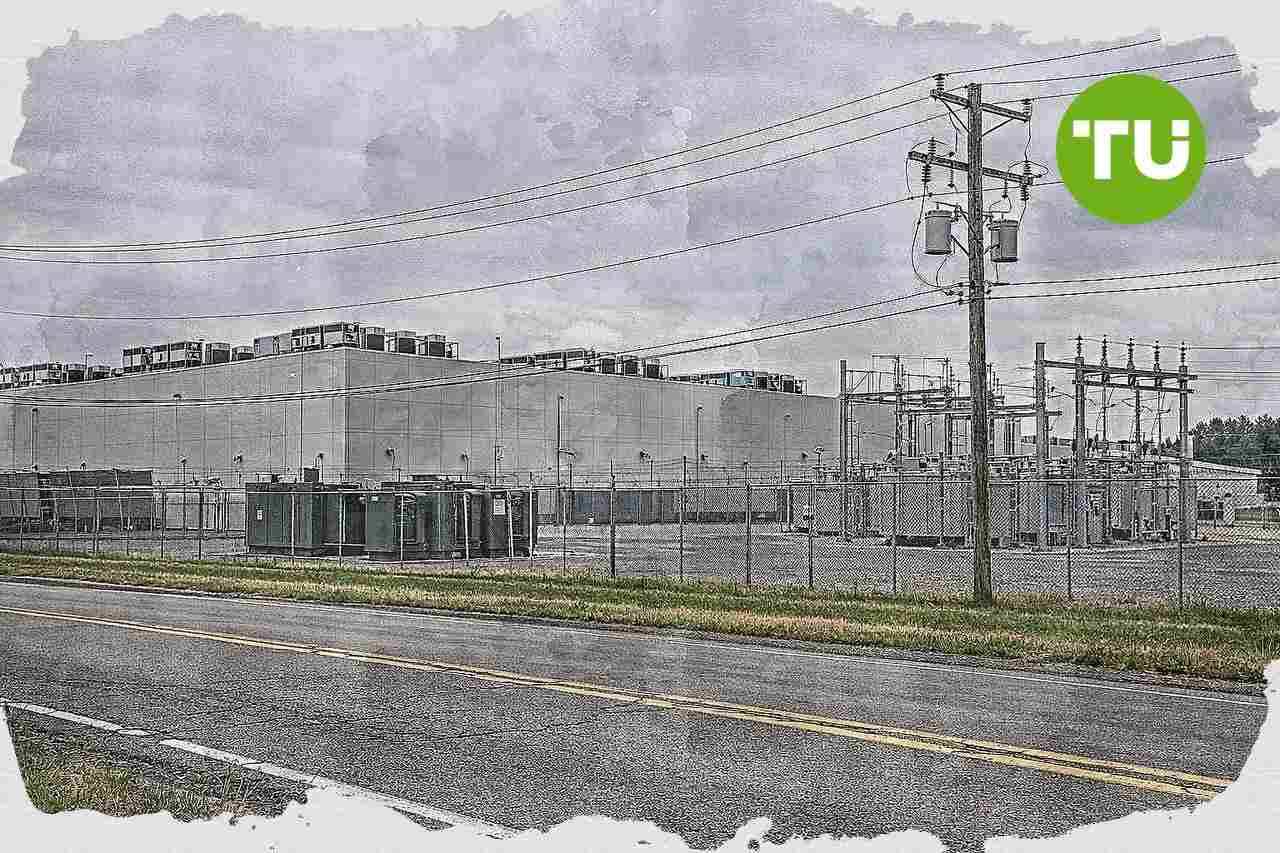
Technology regulation is emerging as a live issue in Michigan's Democratic Senate primary as voters weigh competing approaches to artificial intelligence and the data centers that support it. The Aug. 4 contest between Abdul El-Sayed and Rep. Haley Stevens also carries national significance because Democrats are trying to defend an open seat in a race rated a toss-up.
Highlights
- El-Sayed centers his Senate campaign on strict data center conditions—job guarantees, utility rate protections, and environmental measures—without calling for a moratorium.
- El-Sayed's January AI platform proposes public ownership, an AI dividend, required separation of AI developers from major tech firms, and a new AI automation tax.
- The Michigan Democratic primary winner will face Mike Rogers in a toss-up race to replace Sen. Gary Peters, with broader divides over healthcare and campaign finance.
Campaign lines sharpen on AI and data centers
As reported by CNBC, El-Sayed is making concerns about AI expansion and the infrastructure behind it a central part of his campaign message in the Michigan Democratic primary. He says voters regularly raise the subject with him and argues Washington has moved more slowly than communities confronting the issue directly.El-Sayed, an epidemiologist and former public health official, is running as a progressive challenger and is taking a tougher position on the sector than Stevens, a more moderate candidate. He released terms for data center development in January that stop short of a moratorium but call for strict conditions including job guarantees, commitments against utility rate increases and environmental protections.
Earlier this month, he also unveiled a broader AI platform that includes public ownership of the technology, an AI dividend for the public, mandatory divestiture of AI developers from major tech companies and a new tax on AI automation. The stance aligns him with a broader group of left-wing Democrats seeking to challenge establishment-backed candidates.
Seat control and broader policy stakes
The primary is important for Senate control because the winner is set to compete for the seat being vacated by Democratic Sen. Gary Peters. The Democratic nominee will face former Rep. Mike Rogers in the general election, and Cook Political Report rates the race a toss-up.Stevens has been less outspoken on AI and data centers, though her campaign points to her role as the top Democrat on the House Research and Technology Subcommittee and her service on a bipartisan House AI task force in the last Congress. In the campaign's first debate since the race became a two-candidate contest, she says data centers should pay their fair share while also arguing Michigan should stay at the forefront of innovation and manufacturing.
The race is not revolving only around technology policy. El-Sayed and Stevens are also sparring over healthcare and campaign financing, with El-Sayed criticizing Stevens for taking corporate money and Stevens portraying him as an extremist, underscoring how AI has become one part of a broader fight over the party's economic and political direction.
AI-driven data center expansion is increasingly reshaping U.S. energy and infrastructure investment, as we previously reported. We outlined how Carlyle’s planned sale of Copia Power to EQT underscores surging demand for platforms that can secure generation and grid-linked capacity for large data center campuses, amid forecasts of sharply rising electricity consumption over the decade.



Latest USA News






-
 Afghanistan
-
 Albania
-
 Algeria
-
 Angola
-
 Argentina
-
 Armenia
-
 Australia
-
 Austria
-
 Azerbaijan
-
 Bahamas
-
 Bahrain
-
 Bangladesh
-
 Belarus
-
 Belgium
-
 Bolivia
-
 Botswana
-
 Brazil
-
 Brunei
-
 Bulgaria
-
 Cambodia
-
 Cameroon
-
 Canada
-
 Chile
Chile
-
 China
China
-
 Colombia
-
 Congo
Congo
-
 Costa Rica
-
 Cote d'Ivoire
-
 Croatia
-
 Cuba
Cuba
-
 Cyprus
-
 Czechia
-
 DR Congo
-
 Denmark
-
 Dominican Republic
-
 Ecuador
-
 Egypt
Egypt
-
 El Salvador
-
 Estonia
-
 Eswatini
-
 Ethiopia
-
 Finland
-
 France
-
 Georgia
-
 Germany
-
 Ghana
Ghana
-
 Greece
-
 Haiti
Haiti
-
 Hong Kong
-
 Hungary
-
 India
India
-
 Indonesia
-
 Iran, Islamic republic
-
 Iraq
Iraq
-
 Ireland
-
 Israel
-
 Italy
Italy
-
 Jamaica
-
 Japan
Japan
-
 Jordan
-
 Kazakhstan
-
 Kenya
Kenya
-
 Korea
Korea
-
 Kuwait
-
 Kyrgyzstan
-
 Laos
Laos
-
 Latvia
-
 Lebanon
-
 Lesotho
-
 Libya
Libya
-
 Lithuania
-
 Luxembourg
-
 Madagascar
-
 Malaysia
-
 Malta
Malta
-
 Mauritius
-
 Mexico
-
 Moldova
-
 Mongolia
-
 Montenegro
-
 Morocco
-
 Mozambique
-
 Myanmar
-
 Namibia
-
 Nepal
Nepal
-
 Netherlands
-
 New Zealand
-
 Nigeria
-
 North Macedonia
-
 Norway
-
 Oman
Oman
-
 Pakistan
-
 Palestine
-
 Panama
-
 Papua New Guinea
-
 Paraguay
-
 Peru
Peru
-
 Philippines
-
 Poland
-
 Portugal
-
 Puerto Rico
-
 Qatar
Qatar
-
 Reunion
-
 Romania
-
 Rwanda
-
 Saudi Arabia
-
 Serbia
-
 Singapore
-
 Slovakia
-
 Slovenia
-
 Somalia
-
 South Africa
-
 Spain
Spain
-
 Sri Lanka
-
 Sweden
-
 Switzerland
-
 Syria
Syria
-
 Taiwan
-
 Tajikistan
-
 Tanzania
-
 Thailand
-
 Trinidad and Tobago
-
 Tunisia
-
 Turkey
-
 UAE
UAE
-
 Uganda
-
 Ukraine
-
 United Kingdom
-
United States
-
 Uruguay
-
 Uzbekistan
-
 Venezuela
-
 Vietnam
-
 Yemen
Yemen
-
 Zambia
-
 Zimbabwe
- Forex
- Crypto











