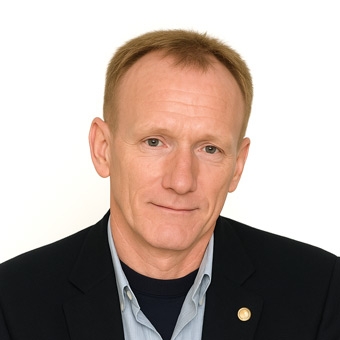
UK gilts face pressure as Burnham signals scope for higher spending

UK government bonds are coming under pressure as Prime Minister Andy Burnham begins to outline an economic agenda that tests market confidence in fiscal discipline. Investors are focusing on his plan to use flexibility within existing fiscal rules, while higher energy prices and inflation risks are already keeping borrowing costs elevated.
Highlights
- Ten-year UK gilt yields rose 0.08 percentage points to 5.04 percent on Burnham's first day, underperforming French and Italian peers, reflecting investor concerns over possible higher government spending.
- Burnham signaled intent to stick with fiscal rules but indicated flexibility for cost-of-living measures and raising the personal allowance, raising market worries about fiscal loosening without clear funding plans.
- UK borrowing costs remain highest in the G7 at over 5.2 percent in May and £100bn annual debt interest, with unfreezing the personal allowance potentially adding £3.7bn to costs by 2029-30.
Market reaction to Burnham's fiscal stance
As reported by Financial Times, gilt yields rise on Burnham's first day in office as investors assess the risk of higher spending under Labour's policy plans. Ten-year gilt yields climb 0.08 percentage points to 5.04 per cent, while equivalent French and Italian yields rise only 0.02 percentage points, leaving UK debt underperforming other major bond markets.Burnham tells reporters he will stick to the existing fiscal rules and use any flexibility within them. Investors say that message, together with plans for a cost-of-living package and a possible increase in the personal allowance, raises concerns that fiscal policy could loosen at a time when markets want clearer detail on funding and reform.
Stephen Jones, chief investment officer at Aegon Asset Management, says markets have so far seen only hints pointing to more spending and less reform. John Stopford, head of managed income at Ninety One, says the market reaction shows how little room for error there is and that Burnham needs to build fiscal credibility.
Borrowing costs and business confidence in focus
Pressure on gilts is also reflecting a broader rise in borrowing costs linked to hostilities in the Middle East and higher energy prices. A surge in oil prices since the Iran war has already pushed UK borrowing costs to their highest level since 2008, reaching as high as 5.2 per cent in May, while the UK already has the highest borrowing costs in the G7 and spends more than £100bn a year on debt interest.Resolution Foundation calculations show that unfreezing the personal allowance next year alone would cost £3.7bn by 2029-30, and the think-tank says any such move needs to be fully funded because there is no spare cash available. Paul Dales, UK economist at Capital Economics, says easing fiscal policy further when inflation is likely rising because of the Iran war could intensify price pressures.
James Carter, co-head of fixed income at W1M, says maintaining market confidence is one of the most effective ways for a prime minister to preserve fiscal room for manoeuvre, adding that discipline in both policy and communication is essential. Business groups are also taking a cautious line, with Institute of Directors director-general Jonathan Geldart saying sustainable growth depends on a competitive and predictable tax environment that supports investment, innovation and expansion.
In our earlier coverage of Andy Burnham’s first Downing Street address, we outlined his opening agenda focused on political stability, devolution, and near-term cost-of-living relief. We also noted that, alongside promises of major economic and regulatory changes, investors were already watching closely how any new spending would be funded and whether the government could stay within fiscal constraints.


Latest UK News







-
 Afghanistan
-
 Albania
-
 Algeria
-
 Angola
-
 Argentina
-
 Armenia
-
 Australia
-
 Austria
-
 Azerbaijan
-
 Bahamas
-
 Bahrain
-
 Bangladesh
-
 Belarus
-
 Belgium
-
 Bolivia
-
 Botswana
-
 Brazil
-
 Brunei
-
 Bulgaria
-
 Cambodia
-
 Cameroon
-
 Canada
-
 Chile
Chile
-
 China
China
-
 Colombia
-
 Congo
Congo
-
 Costa Rica
-
 Cote d'Ivoire
-
 Croatia
-
 Cuba
Cuba
-
 Cyprus
-
 Czechia
-
 DR Congo
-
 Denmark
-
 Dominican Republic
-
 Ecuador
-
 Egypt
Egypt
-
 El Salvador
-
 Estonia
-
 Eswatini
-
 Ethiopia
-
 Finland
-
 France
-
 Georgia
-
 Germany
-
 Ghana
Ghana
-
 Greece
-
 Haiti
Haiti
-
 Hong Kong
-
 Hungary
-
 India
India
-
 Indonesia
-
 Iran, Islamic republic
-
 Iraq
Iraq
-
 Ireland
-
 Israel
-
 Italy
Italy
-
 Jamaica
-
 Japan
Japan
-
 Jordan
-
 Kazakhstan
-
 Kenya
Kenya
-
 Korea
Korea
-
 Kuwait
-
 Kyrgyzstan
-
 Laos
Laos
-
 Latvia
-
 Lebanon
-
 Lesotho
-
 Libya
Libya
-
 Lithuania
-
 Luxembourg
-
 Madagascar
-
 Malaysia
-
 Malta
Malta
-
 Mauritius
-
 Mexico
-
 Moldova
-
 Mongolia
-
 Montenegro
-
 Morocco
-
 Mozambique
-
 Myanmar
-
 Namibia
-
 Nepal
Nepal
-
 Netherlands
-
 New Zealand
-
 Nigeria
-
 North Macedonia
-
 Norway
-
 Oman
Oman
-
 Pakistan
-
 Palestine
-
 Panama
-
 Papua New Guinea
-
 Paraguay
-
 Peru
Peru
-
 Philippines
-
 Poland
-
 Portugal
-
 Puerto Rico
-
 Qatar
Qatar
-
 Reunion
-
 Romania
-
 Rwanda
-
 Saudi Arabia
-
 Serbia
-
 Singapore
-
 Slovakia
-
 Slovenia
-
 Somalia
-
 South Africa
-
 Spain
Spain
-
 Sri Lanka
-
 Sweden
-
 Switzerland
-
 Syria
Syria
-
 Taiwan
-
 Tajikistan
-
 Tanzania
-
 Thailand
-
 Trinidad and Tobago
-
 Tunisia
-
 Turkey
-
 UAE
UAE
-
 Uganda
-
 Ukraine
-
 United Kingdom
-
United States
-
 Uruguay
-
 Uzbekistan
-
 Venezuela
-
 Vietnam
-
 Yemen
Yemen
-
 Zambia
-
 Zimbabwe
- Forex
- Crypto












