EU sanctions unity faces strain as bloc weighs new Russia package
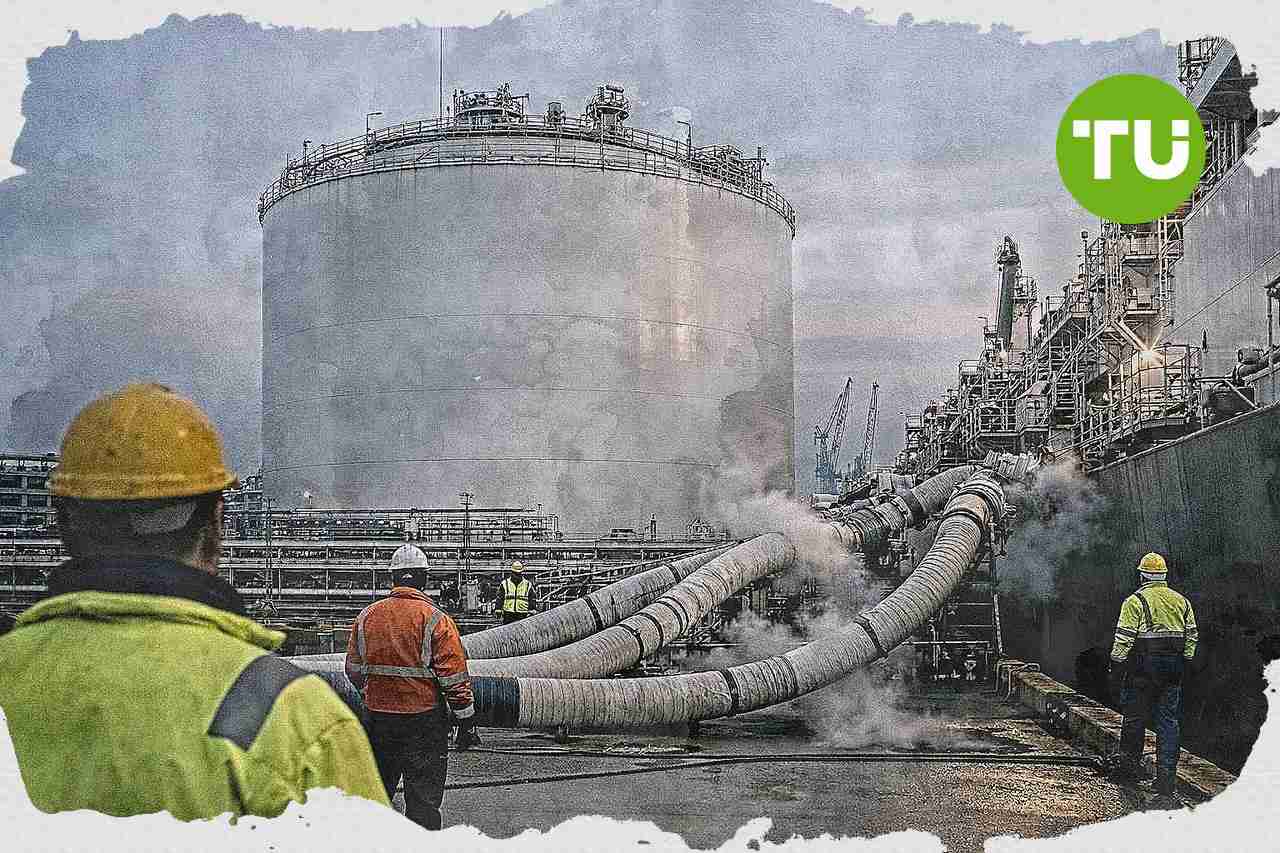
European governments are struggling to maintain a common line as the EU seeks agreement on a 21st package of economic sanctions against Russia. The debate comes at a time when pressure on Moscow is rising through battlefield setbacks, economic strain and attacks on its refining system, raising the stakes of any weakening in European resolve.
Highlights
- EU capitals including Greece, Germany, and Portugal are seeking national exemptions from the next Russia sanctions package, threatening bloc-wide unity.
- EU imports of Russian LNG from the Yamal project reached record highs in H1 2026, up 18 percent year on year, despite a pending ban effective January 1.
- Sustained carve-outs and exemptions risk weakening the sanctions regime, potentially emboldening Russia and increasing long-term security and economic risks for Europe.
Disputes emerge over next sanctions package
As reported by Financial Times, several EU capitals are pushing for exemptions or resisting parts of the proposed sanctions package in an effort to shield domestic companies and national economic interests. Greece is seeking to protect a shipping company from an EU ban on transporting Russian liquefied natural gas to third countries, while Germany and Portugal want a proposed block on buying Russian fish removed.France and Italy have also pushed to narrow a visa ban on Russian military veterans so that it applies only to those who served in Ukraine. EU ambassadors meet on Wednesday in a final attempt to reach consensus before the summer recess, with many governments wary of adding to the domestic economic costs that sanctions have brought since 2022.
The article argues that such carve-outs risk weakening the overall sanctions framework at a sensitive moment in the war. If member states prioritize national exceptions, Europe may signal to Moscow that its political tolerance for further pressure is nearing its limit, reducing the incentive for Russia to compromise on a ceasefire along current front lines.
Pressure on Russia and wider European risks
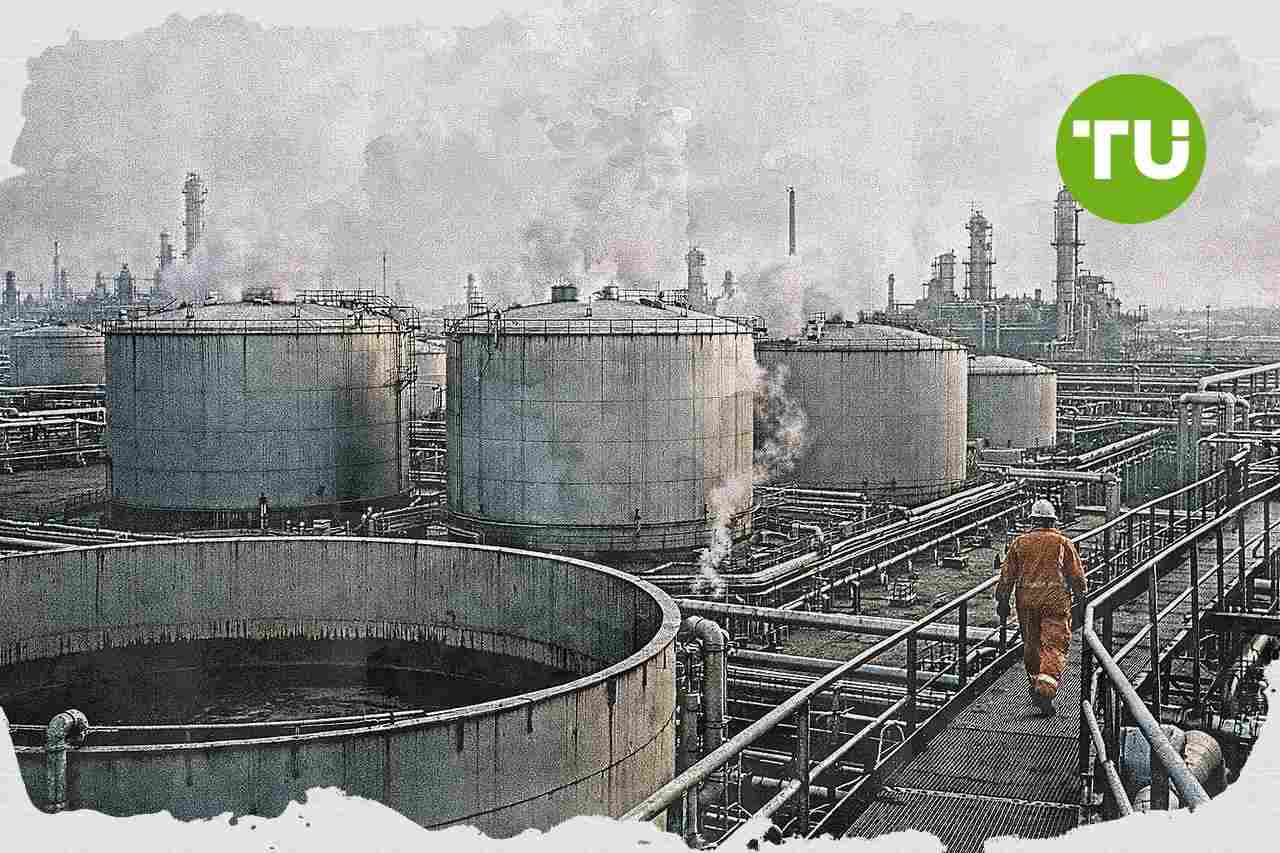
Ukraine's position is described as stronger than it has been for some time, with near-daily drone attacks on Russian oil refineries disrupting fuel supplies and contributing to price increases inside Russia. On the battlefield, Russia's offensives are faltering, while western officials estimate Moscow is suffering about 35,000 killed or wounded a month relative to limited territorial gains.Those military and operational pressures are adding to wider economic strain on Russia. Damage to refining capacity is forcing restrictions on refined product exports, while earlier western sanctions, despite loopholes and evasion efforts, are weighing on the economy through discounted crude sales, labour shortages, inflation, higher interest rates and mounting bad loans in the banking sector.
The piece also highlights tensions inside Europe over burden-sharing. Athens can point to continued Russian LNG imports by France, Belgium and Spain, with imports from Russia's Yamal project reaching record levels in the first half of 2026, up 18 per cent year on year. Although a ban on LNG imports under long-term contracts is due to take effect on January 1, the continued rise in purchases suggests some countries are increasing volumes before the deadline, prolonging the bloc's reliance on Russian energy.
The warning is that any short-term effort to protect national interests could embolden Russia to keep fighting or even escalate. That outcome, the piece says, would carry far greater long-term costs for Europe's security and prosperity than the immediate pain of maintaining sanctions unity.
In our earlier article on Fitch’s forecast for record-high developed-market government debt by end-2026, we explained how repeated shocks and rising structural spending needs are pushing debt burdens higher. We also noted that higher defence outlays and elevated interest costs are tightening fiscal space and increasing market sensitivity to policy decisions—constraints that help frame today’s EU debate over sustaining sanctions despite domestic economic pressures.


Latest Natural Gas News






-
 Afghanistan
-
 Albania
-
 Algeria
-
 Angola
-
 Argentina
-
 Armenia
-
 Australia
-
 Austria
-
 Azerbaijan
-
 Bahamas
-
 Bahrain
-
 Bangladesh
-
 Belarus
-
 Belgium
-
 Bolivia
-
 Botswana
-
 Brazil
-
 Brunei
-
 Bulgaria
-
 Cambodia
-
 Cameroon
-
 Canada
-
 Chile
Chile
-
 China
China
-
 Colombia
-
 Congo
Congo
-
 Costa Rica
-
 Cote d'Ivoire
-
 Croatia
-
 Cuba
Cuba
-
 Cyprus
-
 Czechia
-
 DR Congo
-
 Denmark
-
 Dominican Republic
-
 Ecuador
-
 Egypt
Egypt
-
 El Salvador
-
 Estonia
-
 Eswatini
-
 Ethiopia
-
 Finland
-
 France
-
 Georgia
-
 Germany
-
 Ghana
Ghana
-
 Greece
-
 Haiti
Haiti
-
 Hong Kong
-
 Hungary
-
 India
India
-
 Indonesia
-
 Iran, Islamic republic
-
 Iraq
Iraq
-
 Ireland
-
 Israel
-
 Italy
Italy
-
 Jamaica
-
 Japan
Japan
-
 Jordan
-
 Kazakhstan
-
 Kenya
Kenya
-
 Korea
Korea
-
 Kuwait
-
 Kyrgyzstan
-
 Laos
Laos
-
 Latvia
-
 Lebanon
-
 Lesotho
-
 Libya
Libya
-
 Lithuania
-
 Luxembourg
-
 Madagascar
-
 Malaysia
-
 Malta
Malta
-
 Mauritius
-
 Mexico
-
 Moldova
-
 Mongolia
-
 Montenegro
-
 Morocco
-
 Mozambique
-
 Myanmar
-
 Namibia
-
 Nepal
Nepal
-
 Netherlands
-
 New Zealand
-
 Nigeria
-
 North Macedonia
-
 Norway
-
 Oman
Oman
-
 Pakistan
-
 Palestine
-
 Panama
-
 Papua New Guinea
-
 Paraguay
-
 Peru
Peru
-
 Philippines
-
 Poland
-
 Portugal
-
 Puerto Rico
-
 Qatar
Qatar
-
 Reunion
-
 Romania
-
 Rwanda
-
 Saudi Arabia
-
 Serbia
-
 Singapore
-
 Slovakia
-
 Slovenia
-
 Somalia
-
 South Africa
-
 Spain
Spain
-
 Sri Lanka
-
 Sweden
-
 Switzerland
-
 Syria
Syria
-
 Taiwan
-
 Tajikistan
-
 Tanzania
-
 Thailand
-
 Trinidad and Tobago
-
 Tunisia
-
 Turkey
-
 UAE
UAE
-
 Uganda
-
 Ukraine
-
 United Kingdom
-
United States
-
 Uruguay
-
 Uzbekistan
-
 Venezuela
-
 Vietnam
-
 Yemen
Yemen
-
 Zambia
-
 Zimbabwe
- Forex
- Crypto












