
U.S. generic drug sector faces tariff risk under Trump import plan
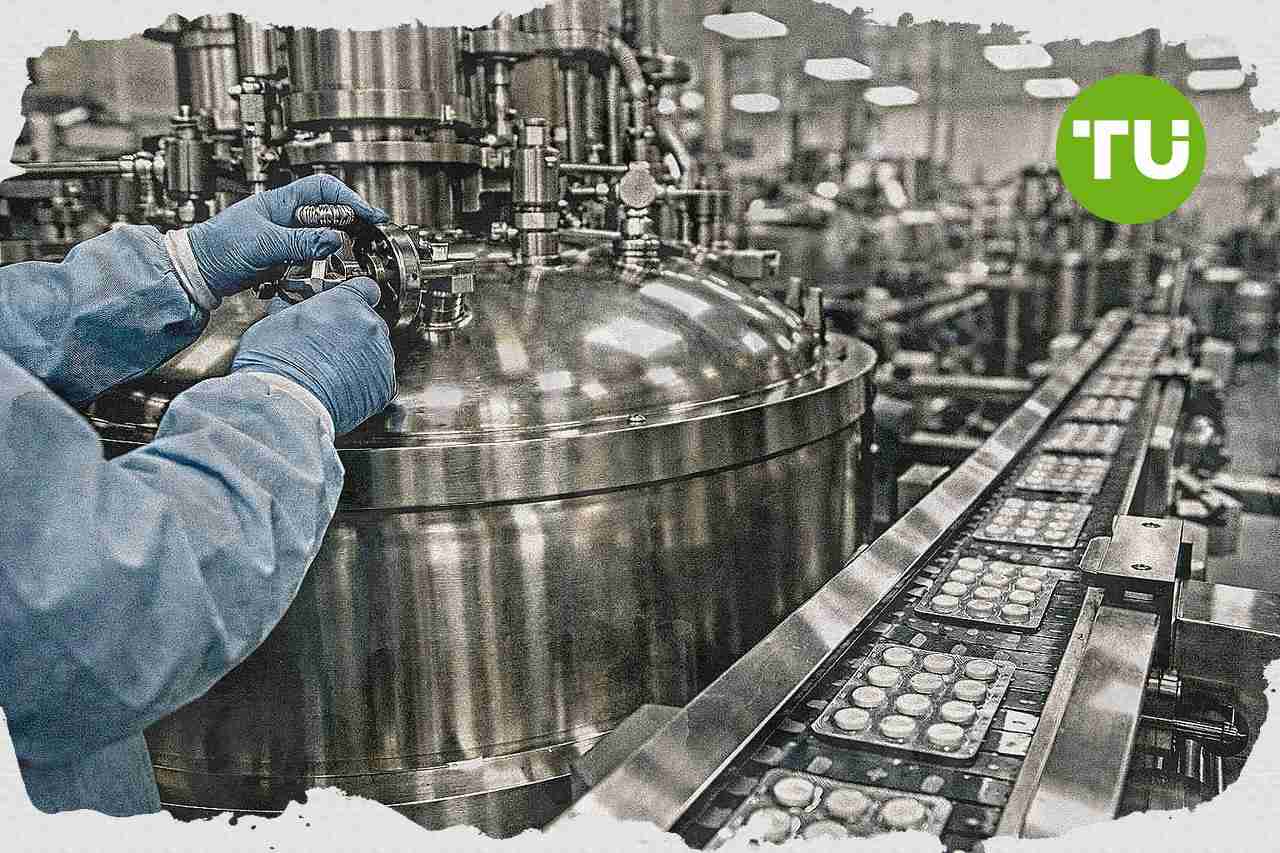
Proposed tariffs on imported generic medicines are raising new uncertainty for low-cost drug supply chains in the U.S. The plan outlines a two-year grace period before duties rise to 100% for one year and then 200%, leaving manufacturers, patients and buyers weighing the potential effect on prices and production.
Highlights
- President Trump's plan exempts imported generic drugs from tariffs for two years, then imposes 100% duties for one year and 200% thereafter.
- The $500 billion global generic drug industry faces immediate margin pressure, as most manufacturers cannot absorb or pass on tariffs of 100% to 200%.
- Generic drugs represent 90% of U.S. prescriptions, and proposed tariffs could trigger product withdrawals or cost increases, heightening supply and pricing risks.
Tariff timeline and manufacturing hurdles
As first reported by CNBC, President Donald Trump says imported generic medicines face no tariffs for two years before duties increase to 100% for one year and then 200%, in a move the administration presents as a way to push more pharmaceutical production back to the U.S.The proposal is aimed at a global generic drug industry now worth nearly $500 billion. But manufacturers and industry groups say the challenge is not limited to trade policy, because weak purchasing economics and reimbursement pressures already make it difficult to expand domestic production for many low-margin medicines.
John Murphy III, president and CEO of the Association for Accessible Medicines, says the industry is committed to policies that support stability and patient access to affordable medicines. He says generic drugmakers have expanded their U.S. footprint across the supply chain over the past two years, but adds that structural pressures continue to discourage further manufacturing investment.
Cost pressure for patients and drugmakers
Industry representatives say many generic manufacturers have little room to absorb tariffs as high as 100% or 200%. Their options are limited to taking the cost hit, passing higher costs to customers, gradually moving production to the U.S., or withdrawing products that no longer make economic sense.Salil Kallianpur, an independent pharmaceutical consultant, says a 100% to 200% tariff on products with single-digit margins effectively signals market exit. That matters because generic medicines account for about 90% of prescriptions in the U.S., even though they represent a much smaller share of total drug spending because of their lower prices.
It remains unclear whether the proposed policy ultimately raises medicine prices, because the outcome depends on how the tariffs are implemented and how companies respond. The administration argues that the measures strengthen domestic supply chains over time, while industry participants warn they could deepen pressure in a market where intense competition has already driven prices down.
In our earlier report on the administration’s aluminium tariff relief tied to domestic smelter investment, we explained how companies could cut the effective tariff on raw aluminium feedstock by committing to build, expand, or refurbish U.S. smelting capacity and starting construction by early 2029. We also highlighted the policy’s reshoring logic and supply-security rationale, including the sharp decline in U.S. smelters and warnings that domestic output may fall well short of projected demand as rules tighten around sourcing sensitive materials from adversarial countries.


Latest Supply Chain News




-
 Afghanistan
-
 Albania
-
 Algeria
-
 Angola
-
 Argentina
-
 Armenia
-
 Australia
-
 Austria
-
 Azerbaijan
-
 Bahamas
-
 Bahrain
-
 Bangladesh
-
 Belarus
-
 Belgium
-
 Bolivia
-
 Botswana
-
 Brazil
-
 Brunei
-
 Bulgaria
-
 Cambodia
-
 Cameroon
-
 Canada
-
 Chile
Chile
-
 China
China
-
 Colombia
-
 Congo
Congo
-
 Costa Rica
-
 Cote d'Ivoire
-
 Croatia
-
 Cuba
Cuba
-
 Cyprus
-
 Czechia
-
 DR Congo
-
 Denmark
-
 Dominican Republic
-
 Ecuador
-
 Egypt
Egypt
-
 El Salvador
-
 Estonia
-
 Eswatini
-
 Ethiopia
-
 Finland
-
 France
-
 Georgia
-
 Germany
-
 Ghana
Ghana
-
 Greece
-
 Haiti
Haiti
-
 Hong Kong
-
 Hungary
-
 India
India
-
 Indonesia
-
 Iran, Islamic republic
-
 Iraq
Iraq
-
 Ireland
-
 Israel
-
 Italy
Italy
-
 Jamaica
-
 Japan
Japan
-
 Jordan
-
 Kazakhstan
-
 Kenya
Kenya
-
 Korea
Korea
-
 Kuwait
-
 Kyrgyzstan
-
 Laos
Laos
-
 Latvia
-
 Lebanon
-
 Lesotho
-
 Libya
Libya
-
 Lithuania
-
 Luxembourg
-
 Madagascar
-
 Malaysia
-
 Malta
Malta
-
 Mauritius
-
 Mexico
-
 Moldova
-
 Mongolia
-
 Montenegro
-
 Morocco
-
 Mozambique
-
 Myanmar
-
 Namibia
-
 Nepal
Nepal
-
 Netherlands
-
 New Zealand
-
 Nigeria
-
 North Macedonia
-
 Norway
-
 Oman
Oman
-
 Pakistan
-
 Palestine
-
 Panama
-
 Papua New Guinea
-
 Paraguay
-
 Peru
Peru
-
 Philippines
-
 Poland
-
 Portugal
-
 Puerto Rico
-
 Qatar
Qatar
-
 Reunion
-
 Romania
-
 Rwanda
-
 Saudi Arabia
-
 Serbia
-
 Singapore
-
 Slovakia
-
 Slovenia
-
 Somalia
-
 South Africa
-
 Spain
Spain
-
 Sri Lanka
-
 Sweden
-
 Switzerland
-
 Syria
Syria
-
 Taiwan
-
 Tajikistan
-
 Tanzania
-
 Thailand
-
 Trinidad and Tobago
-
 Tunisia
-
 Turkey
-
 UAE
UAE
-
 Uganda
-
 Ukraine
-
 United Kingdom
-
United States
-
 Uruguay
-
 Uzbekistan
-
 Venezuela
-
 Vietnam
-
 Yemen
Yemen
-
 Zambia
-
 Zimbabwe
- Forex
- Crypto












