

Trump-Netanyahu talks focus on Iran war aims and regional arms balance
Diverging U.S. and Israeli priorities in the Middle East are shaping Donald Trump’s first Washington meeting in months with Benjamin Netanyahu. The talks center on Iran, but also extend to Turkey’s bid for F-35 jets, Gaza planning and wider regional diplomacy.
Highlights
- Trump and Netanyahu meet Tuesday amid tensions over diverging Iran war aims, with Trump announcing a ceasefire after 13 nights of U.S. bombing.
- Netanyahu opposes potential U.S. F-35 sales to Turkey, but Trump signals willingness despite existing congressional bans linked to Turkey's S-400 system.
- Israel agrees to allow a multinational Gaza stabilization force, while Trump pushes for accelerated Gaza plan implementation and discusses broader regional security, including the Abraham Accords.
Washington meeting agenda expands beyond Iran
As first reported by Financial Times, Trump is preparing to meet Netanyahu on Tuesday after publicly saying Israel would not survive without U.S. support and signaling little concern over Israeli objections to possible F-35 sales to Turkey.The meeting comes after Trump announces a ceasefire between the U.S. and Iran in April, before Israel achieves its stated war aims. Trump also says there is "a little difference" between his and Netanyahu’s military objectives, underscoring tensions ahead of the talks.
Netanyahu says before departing for the U.S. that Iran is "first and foremost" on the agenda, though all issues are set to be discussed. A person briefed on the matter says the Israeli leader arrives in "listening mode" but wants Washington to expand operations against Iran beyond the Strait of Hormuz, which has become a focal point of the conflict in recent months.
Trump pauses U.S. attacks on Iran last Friday after 13 consecutive nights of bombing, while U.S. ambassador to the UN Mike Waltz says on Sunday that Trump hopes to give talks room to succeed. The same person briefed on the visit says Netanyahu still wants the campaign to go beyond Hormuz, after originally framing the war’s goals as destroying Iran’s nuclear and ballistic missile capabilities and toppling its regime.
F-35 dispute and Gaza plan test regional strategy
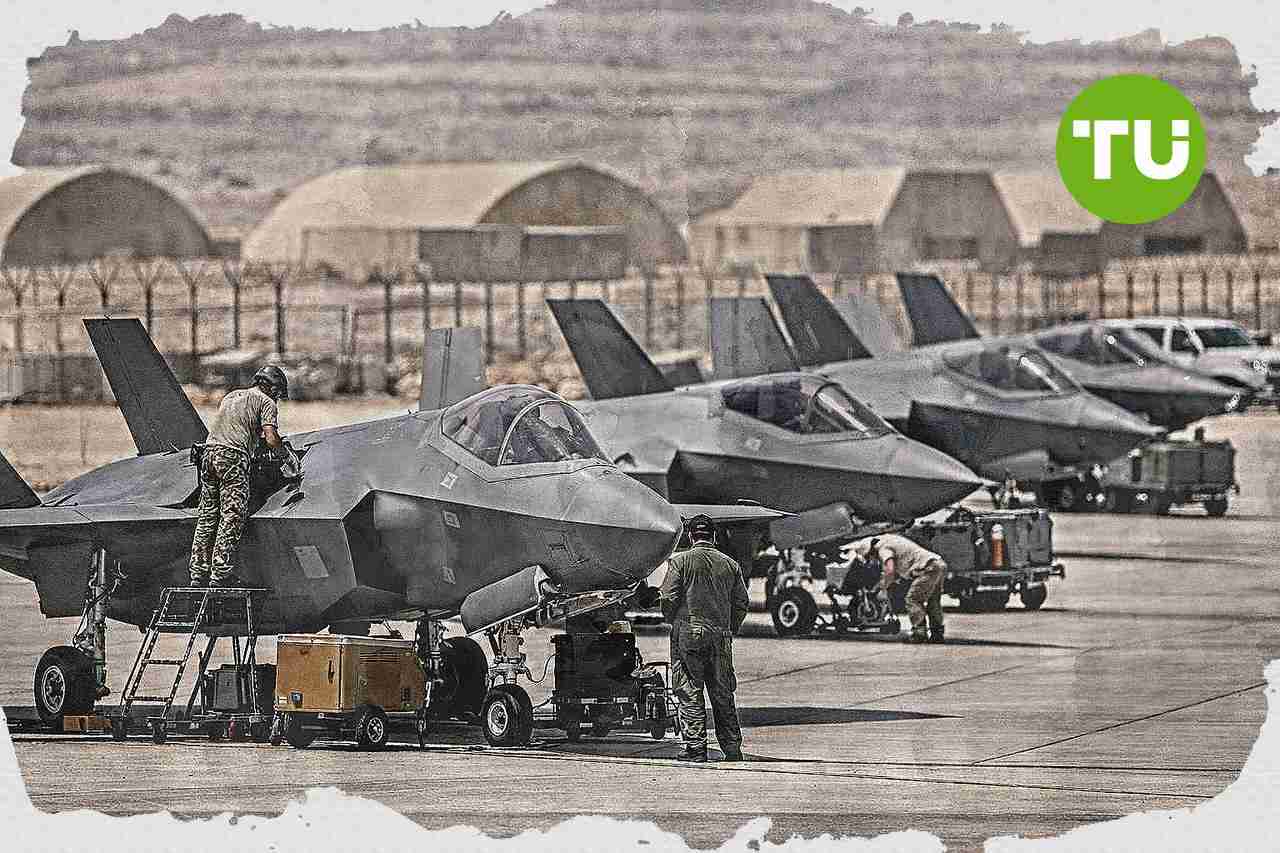
Netanyahu is also expected to raise concern over Turkey’s request to buy advanced F-35 fighter jets, a move Israel fears would erode its military edge in the region. Israel is currently the only Middle Eastern country with F-35s, but Trump says this month after meeting Recep Tayyip Erdoğan in Ankara that he would "certainly consider" selling the aircraft to Turkey.Trump rejects outside pressure on the issue, saying Erdoğan is a friend and that nobody tells him what the U.S. should or should not sell in its relationship with Turkey. Even so, Turkey’s path remains complicated because Washington removed it from the F-35 program in 2019 after its purchase of Russia’s S-400 air-defense system, and U.S. law still bars transfers while Ankara retains that equipment.
Israeli officials also expect Trump to press for faster implementation of his Gaza plan, which remains stalled as Israel seizes more land in the enclave and Hamas refuses to disarm. In a gesture toward Trump, an Israeli official says Israel will allow a multinational stabilization force into Gaza, including troops from Morocco and Uganda.
A White House official says Trump is also set to discuss the conflict in Iran, progress with the Trilateral Framework in Lebanon, and expansion of the Abraham Accords. The meeting therefore carries implications not only for the current military campaign but also for the regional security architecture Washington is trying to shape.
Our earlier article on the U.S. energy system’s stress test as Iran-linked tensions rose explained how Middle East escalation can quickly feed into market expectations via real-time signals such as crude and gas output, refinery runs, fuel inventories, power generation, and storage. We noted that while U.S. supply looked adequate, tight gasoline stocks, rising LNG exports, and weather-driven power demand could rapidly shrink spare capacity and magnify the impact of any external shock.











-
 Afghanistan
-
 Albania
-
 Algeria
-
 Angola
-
 Argentina
-
 Armenia
-
 Australia
-
 Austria
-
 Azerbaijan
-
 Bahamas
-
 Bahrain
-
 Bangladesh
-
 Belarus
-
 Belgium
-
 Bolivia
-
 Botswana
-
 Brazil
-
 Brunei
-
 Bulgaria
-
 Cambodia
-
 Cameroon
-
 Canada
-
 Chile
Chile
-
 China
China
-
 Colombia
-
 Congo
Congo
-
 Costa Rica
-
 Cote d'Ivoire
-
 Croatia
-
 Cuba
Cuba
-
 Cyprus
-
 Czechia
-
 DR Congo
-
 Denmark
-
 Dominican Republic
-
 Ecuador
-
 Egypt
Egypt
-
 El Salvador
-
 Estonia
-
 Eswatini
-
 Ethiopia
-
 Finland
-
 France
-
 Georgia
-
 Germany
-
 Ghana
Ghana
-
 Greece
-
 Haiti
Haiti
-
 Hong Kong
-
 Hungary
-
 India
India
-
 Indonesia
-
 Iran, Islamic republic
-
 Iraq
Iraq
-
 Ireland
-
 Israel
-
 Italy
Italy
-
 Jamaica
-
 Japan
Japan
-
 Jordan
-
 Kazakhstan
-
 Kenya
Kenya
-
 Korea
Korea
-
 Kuwait
-
 Kyrgyzstan
-
 Laos
Laos
-
 Latvia
-
 Lebanon
-
 Lesotho
-
 Libya
Libya
-
 Lithuania
-
 Luxembourg
-
 Madagascar
-
 Malaysia
-
 Malta
Malta
-
 Mauritius
-
 Mexico
-
 Moldova
-
 Mongolia
-
 Montenegro
-
 Morocco
-
 Mozambique
-
 Myanmar
-
 Namibia
-
 Nepal
Nepal
-
 Netherlands
-
 New Zealand
-
 Nigeria
-
 North Macedonia
-
 Norway
-
 Oman
Oman
-
 Pakistan
-
 Palestine
-
 Panama
-
 Papua New Guinea
-
 Paraguay
-
 Peru
Peru
-
 Philippines
-
 Poland
-
 Portugal
-
 Puerto Rico
-
 Qatar
Qatar
-
 Reunion
-
 Romania
-
 Rwanda
-
 Saudi Arabia
-
 Serbia
-
 Singapore
-
 Slovakia
-
 Slovenia
-
 Somalia
-
 South Africa
-
 Spain
Spain
-
 Sri Lanka
-
 Sweden
-
 Switzerland
-
 Syria
Syria
-
 Taiwan
-
 Tajikistan
-
 Tanzania
-
 Thailand
-
 Trinidad and Tobago
-
 Tunisia
-
 Turkey
-
 UAE
UAE
-
 Uganda
-
 Ukraine
-
 United Kingdom
-
United States
-
 Uruguay
-
 Uzbekistan
-
 Venezuela
-
 Vietnam
-
 Yemen
Yemen
-
 Zambia
-
 Zimbabwe
- Forex
- Crypto












