

SpaceX spectrum push shakes U.S. telecom as analysts weigh Starlink threat

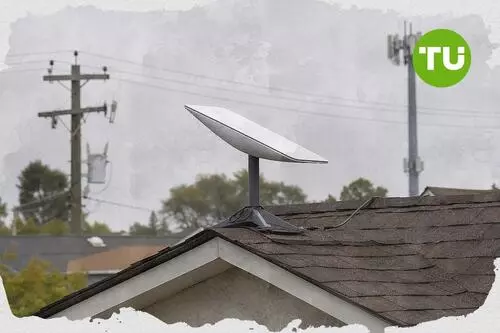
A new challenge is emerging for the U.S. wireless market as SpaceX expands its telecom ambitions beyond satellite broadband. Analysts say the company could pursue several routes, from building a terrestrial network to striking carrier deals, raising pressure on Verizon, AT&T and T-Mobile.
Highlights
- Pivotal Research estimates Starlink could capture up to 13% of the U.S. wireless market in ten years, pressuring AT&T, Verizon, and T-Mobile.
- SpaceX received FCC approval to launch 15,000 satellites for direct-to-device service and may acquire further terrestrial spectrum pending an October 29 FCC vote.
- Verizon, AT&T, and T-Mobile lost billions in market value after SpaceX’s spectrum move, although analysts see limited near-term disruption due to incumbent infrastructure advantages.
Possible paths for SpaceX wireless expansion
As reported by CNBC, Wall Street analysts and investors are trying to assess whether SpaceX intends to assemble its own terrestrial network, acquire a wireless carrier, or use its recent spectrum move to force commercial agreements with incumbents.The company’s ambitions to become a major mobile carrier are seen as a direct threat to the dominant U.S. operators. Pivotal Research analyst Jeffrey Wlodarczak estimates Starlink could capture as much as 13% of the U.S. wireless market over the next 10 years, describing Elon Musk’s strategy as the creation of a legitimate fourth U.S. wireless player with global potential.
Analysts say the more immediate route is likely to mirror the cable industry’s model, starting with internet and wireless access through satellite links and WiFi before expanding further. That approach would favor rural and suburban households already using Starlink home internet, while urban coverage would depend on denser dish deployment and potentially greater use of terrestrial WiFi spectrum.
SpaceX could also acquire additional terrestrial spectrum from current holders or through a government auction, depending on a Federal Communications Commission vote scheduled for October 29. The company also received FCC authorization last week to deploy 15,000 satellites for direct-to-device connectivity, including a waiver allowing it to bypass terrestrial cellular networks.
Competitive pressure spreads across telecom and cable
SpaceX’s move has already unsettled the sector, with Verizon, AT&T and T-Mobile losing billions of dollars in market value after the spectrum acquisition announcement, although the shares recover some ground on Tuesday. AT&T is also trading higher despite a Bernstein downgrade.Even so, analysts do not expect meaningful near-term disruption for the wireless carriers because building a reliable nationwide network, especially in dense urban and suburban areas, requires extensive physical infrastructure. Bank of America analyst Michael Funk says incumbents are more likely to respond with defensive measures such as deeper bundling of wireless and broadband services to reduce customer churn.
Cable operators may face a more immediate strategic choice. Evercore ISI analyst Kutgun Maral says Charter Communications and Comcast could either compete with SpaceX as it adopts WiFi-based services or benefit by partnering with it, making cable the sector’s main wildcard.
Analysts also say SpaceX’s telecom expansion could pressure Apple by challenging the long-standing carrier subsidy model for iPhones and long-term wireless contracts. Some market watchers remain supportive of incumbent telecom stocks, arguing their spectrum holdings and terrestrial network advantages still leave them well positioned despite rising competitive concerns.
In our earlier article on Bernstein’s downgrade of AT&T, we noted that SpaceX’s expanding Starlink network is fueling concerns about intensifying competition and potential pricing pressure for incumbent U.S. wireless and broadband providers. We also highlighted that the rollout of Starlink V3 satellites was viewed as a key step toward materially expanding Starlink’s wireless capacity, keeping investors focused on how disruptive SpaceX could become to established carriers.










-
 Afghanistan
-
 Albania
-
 Algeria
-
 Angola
-
 Argentina
-
 Armenia
-
 Australia
-
 Austria
-
 Azerbaijan
-
 Bahamas
-
 Bahrain
-
 Bangladesh
-
 Belarus
-
 Belgium
-
 Bolivia
-
 Botswana
-
 Brazil
-
 Brunei
-
 Bulgaria
-
 Cambodia
-
 Cameroon
-
 Canada
-
 Chile
Chile
-
 China
China
-
 Colombia
-
 Congo
Congo
-
 Costa Rica
-
 Cote d'Ivoire
-
 Croatia
-
 Cuba
Cuba
-
 Cyprus
-
 Czechia
-
 DR Congo
-
 Denmark
-
 Dominican Republic
-
 Ecuador
-
 Egypt
Egypt
-
 El Salvador
-
 Estonia
-
 Eswatini
-
 Ethiopia
-
 Finland
-
 France
-
 Georgia
-
 Germany
-
 Ghana
Ghana
-
 Greece
-
 Haiti
Haiti
-
 Hong Kong
-
 Hungary
-
 India
India
-
 Indonesia
-
 Iran, Islamic republic
-
 Iraq
Iraq
-
 Ireland
-
 Israel
-
 Italy
Italy
-
 Jamaica
-
 Japan
Japan
-
 Jordan
-
 Kazakhstan
-
 Kenya
Kenya
-
 Korea
Korea
-
 Kuwait
-
 Kyrgyzstan
-
 Laos
Laos
-
 Latvia
-
 Lebanon
-
 Lesotho
-
 Libya
Libya
-
 Lithuania
-
 Luxembourg
-
 Madagascar
-
 Malaysia
-
 Malta
Malta
-
 Mauritius
-
 Mexico
-
 Moldova
-
 Mongolia
-
 Montenegro
-
 Morocco
-
 Mozambique
-
 Myanmar
-
 Namibia
-
 Nepal
Nepal
-
 Netherlands
-
 New Zealand
-
 Nigeria
-
 North Macedonia
-
 Norway
-
 Oman
Oman
-
 Pakistan
-
 Palestine
-
 Panama
-
 Papua New Guinea
-
 Paraguay
-
 Peru
Peru
-
 Philippines
-
 Poland
-
 Portugal
-
 Puerto Rico
-
 Qatar
Qatar
-
 Reunion
-
 Romania
-
 Rwanda
-
 Saudi Arabia
-
 Serbia
-
 Singapore
-
 Slovakia
-
 Slovenia
-
 Somalia
-
 South Africa
-
 Spain
Spain
-
 Sri Lanka
-
 Sweden
-
 Switzerland
-
 Syria
Syria
-
 Taiwan
-
 Tajikistan
-
 Tanzania
-
 Thailand
-
 Trinidad and Tobago
-
 Tunisia
-
 Turkey
-
 UAE
UAE
-
 Uganda
-
 Ukraine
-
 United Kingdom
-
United States
-
 Uruguay
-
 Uzbekistan
-
 Venezuela
-
 Vietnam
-
 Yemen
Yemen
-
 Zambia
-
 Zimbabwe
- Forex
- Crypto












