
The tweet was deleted by the author.
But we saved everything 🙂.
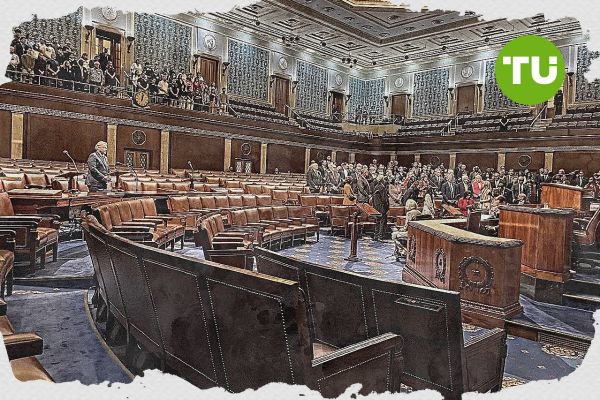
September 30 — the global agenda focused on the budget crisis in Washington, Nvidia’s record stock surge, Visa’s pilot program with stablecoins, and tense US-Taiwan negotiations over semiconductor production.
U.S. government shutdown. Congress failed to pass a temporary budget, and for the first time in seven years the federal government officially shut down. Government operations have been paralyzed, and about 750,000 federal employees were placed on forced unpaid leave. Economists warn that if the crisis lasts three weeks, the U.S. unemployment rate could rise to 4.7%, while the release of key macroeconomic data will be suspended.
Taiwan rejects U.S. demand. Taipei refused to support Washington’s proposal to shift up to 50% of chip production to the US. Vice Premier Cheng Li-chiun stated that this condition was never discussed in negotiations and is solely an American initiative. Taiwan intends to focus on tariff-related investigations, while the US continues to voice concerns over excessive dependence on semiconductor supplies from the island.
Nvidia record. The company’s stock reached an all-time high of $184, with its market capitalization rising to $4.5 trillion. Analysts at KeyBanc and Barclays raised their price targets to $250 and $240 respectively, betting on rising AI infrastructure spending. Nvidia also participated in a $1.1 billion funding round for Nscale Global Holdings to expand data centers.
Visa tests stablecoins. The payments giant announced the launch of a pilot program that will allow banks and fintech firms to use stablecoins instead of pre-depositing funds in overseas accounts. The new US law — the Genius Act — provided regulatory clarity and legitimized the stablecoin market, encouraging participation by major institutions.
Wall Street and Asia. US stock futures fell on Wednesday, while Asian exchanges showed mixed dynamics. Investors are factoring in the consequences of the shutdown and the possible delay of the September jobs report, which is a key benchmark for the Fed. According to agencies, the government closure will cost $400 million per day.
Dollar. The US currency hovered near a one-week low against major peers. Market participants fear a prolonged budget crisis, which puts pressure on the dollar and boosts demand for safe-haven assets.
Gold. Gold prices set a new record, reaching $3,875 per ounce. The surge was driven both by the official start of the shutdown and by expectations of Fed policy easing amid weak labor market data. Demand for safe-haven assets remains strong.
Oil. After two days of declines, oil prices stabilized: Brent traded at $66.3 per barrel, while WTI stood at $62.6. The market remains pressured by expectations of increased OPEC+ production and uncertainty surrounding US economic prospects.
Cryptocurrencies. Unlike traditional assets, the crypto market has shown little reaction to the shutdown and shifting macroeconomic expectations. Bitcoin and other major coins remain in a sideways trend, suggesting investors are waiting for clearer signals before taking new positions.
As a reminder, on September 29 the global agenda focused on peace initiatives in Gaza, the budget crisis in Washington, Donald Trump’s legal battles, and falling Russian energy revenues, while the crypto market was preparing for Uptober.

 Afghanistan
 Albania
 Algeria
 Angola
 Argentina
 Armenia
 Australia
 Austria
 Azerbaijan
 Bahamas
 Bahrain
 Bangladesh
 Belarus
 Belgium
 Bolivia
 Botswana
 Brazil
 Brunei
 Bulgaria
 Cambodia
 Cameroon
 Canada
 Chile
Chile
 China
China
 Colombia
 Congo
Congo
 Costa Rica
 Cote d'Ivoire
 Croatia
 Cuba
Cuba
 Cyprus
 Czechia
 DR Congo
 Denmark
 Dominican Republic
 Ecuador
 Egypt
Egypt
 El Salvador
 Estonia
 Eswatini
 Ethiopia
 Finland
 France
 Georgia
 Germany
 Ghana
Ghana
 Greece
 Haiti
Haiti
 Hong Kong
 Hungary
 India
India
 Indonesia
 Iran, Islamic republic
 Iraq
Iraq
 Ireland
 Israel
 Italy
Italy
 Jamaica
 Japan
Japan
 Jordan
 Kazakhstan
 Kenya
Kenya
 Korea
Korea
 Kuwait
 Kyrgyzstan
 Laos
Laos
 Latvia
 Lebanon
 Lesotho
 Libya
Libya
 Lithuania
 Luxembourg
 Madagascar
 Malaysia
 Malta
Malta
 Mauritius
 Mexico
 Moldova
 Mongolia
 Montenegro
 Morocco
 Mozambique
 Myanmar
 Namibia
 Nepal
Nepal
 Netherlands
 New Zealand
 Nigeria
 North Macedonia
 Norway
 Oman
Oman
 Pakistan
 Palestine
 Panama
 Papua New Guinea
 Paraguay
 Peru
Peru
 Philippines
 Poland
 Portugal
 Puerto Rico
 Qatar
Qatar
 Reunion
 Romania
 Rwanda
 Saudi Arabia
 Serbia
 Singapore
 Slovakia
 Slovenia
 Somalia
 South Africa
 Spain
Spain
 Sri Lanka
 Sweden
 Switzerland
 Syria
Syria
 Taiwan
 Tajikistan
 Tanzania
 Thailand
 Trinidad and Tobago
 Tunisia
 Turkey
 UAE
UAE
 Uganda
 Ukraine
 United Kingdom
United States
United Kingdom
United States
 Uruguay
 Uzbekistan
 Venezuela
 Vietnam
 Yemen
Yemen
 Zambia
 Zimbabwe