
Tesla stock falls 3.4% amid bleak forecast from ex-Stellantis CEO executive

As of October 27, Tesla stock is trading at $433.71, down 3.4% in the last 24 hours. The current price puts Tesla about 11% below its 52-week high of $488, yet still up more than 100% from its 2024 lows.
Highlights
- Tesla shares declined 3.4% following a warning from ex-Stellantis CEO Carl-Peter Forster, who suggested the company may not survive the next 10 years.
- Technical indicators show overbought conditions, with key support at $400 and resistance near $488.
- Competitive pressure, falling margins, and execution risk continue to weigh on investor sentiment.
The Relative Strength Index (RSI) is hovering near overbought territory on the daily chart, reflecting elevated enthusiasm that may not be fully supported by fundamentals. Tesla is currently trading well above its 50-day and 200-day moving averages, signaling strong recent momentum but also creating downside risk should the stock lose support. Key near-term support lies between $400–$420, which acted as a previous consolidation zone. A breakdown below $400 would indicate weakening technical structure and open the door to a deeper decline toward the $360–$380 region.
Resistance remains firm at $488, the 52-week high reached in early October. Tesla bulls will likely face strong selling pressure on any attempt to retest this level, particularly without new catalysts to justify further upside. From a valuation perspective, Tesla is trading at a P/E ratio over 260x, well above industry averages, highlighting the continued premium placed on growth and innovation. However, as margins tighten and earnings growth slows, the sustainability of such a multiple becomes increasingly questionable.

Tesla stock price dynamics (August 2025 - October 2025). Source: TradingView
Another technical factor to monitor is volume divergence, which has become more apparent during Tesla’s recent upward move. While price has climbed steadily over the past several weeks, trading volume has declined, suggesting a weakening in buying conviction. This divergence often precedes a reversal or at least a period of sideways consolidation. In addition, short interest has ticked up modestly, indicating that a growing number of market participants are positioning for a correction. Without a resurgence in volume to confirm bullish momentum, Tesla may struggle to maintain its current trajectory, especially in the absence of fresh catalysts or stronger-than-expected earnings data.
Ex-Stellantis CEO casts doubt on Tesla’s long-term survival
Former Stellantis CEO Carl-Peter Forster delivered a grim assessment of Tesla’s long-term viability, warning that the company may not survive the next decade in its current form. According to Forster, the rapidly evolving EV landscape and increasing pressure from established automakers could erode Tesla’s competitive advantage. His remarks reflect a growing sentiment among industry veterans that the company’s early lead in electric vehicles is being challenged on multiple fronts, particularly by Chinese manufacturers like BYD and legacy players ramping up their EV output.
Tesla’s recent earnings reports also indicate pressure on both demand and profitability. Despite record Q3 deliveries of approximately 497,000 vehicles, the company’s revenue growth is showing signs of slowing, and margins have narrowed significantly. Tesla’s Q1 2025 earnings showed a 71% drop in EPS and a 20% decline in automotive revenue year-over-year, raising red flags about demand elasticity and competitive pricing.
Adding to concerns is Elon Musk’s ongoing focus on speculative future technologies like the “robotaxi” fleet and full self-driving (FSD) initiatives. While these projects could be transformative if executed successfully, they remain in the early stages and are not generating meaningful revenue. This raises questions about whether Tesla is diverting attention away from its core automotive operations at a time when competitors are gaining ground.
Consolidation base and bullish recovery path
In the base-case scenario, Tesla remains range-bound between $400 and $450, consolidating gains while investors digest macro headwinds and company-specific challenges. Stability at these levels would be a neutral sign and keep bullish hopes alive for a renewed push higher in 2026. This would also allow valuation multiples to normalize gradually, offering a healthier setup for long-term investors.
In the bull scenario, if Tesla delivers a surprise upside in Q4 vehicle sales, announces breakthroughs in autonomous driving, or expands FSD monetization meaningfully, the stock could rally to retest the $480–$500 range. Sustained optimism around emerging segments like energy storage or AI-driven mobility could further accelerate investor appetite and support higher multiples.
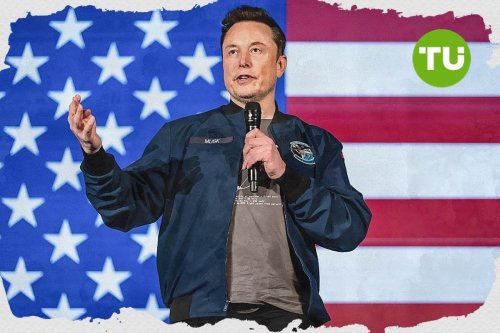
Elon Musk defended his multi-billion-dollar pay package by portraying it as essential for maintaining voting control and protecting Tesla’s strategic direction, rather than for personal gain. He told investors the plan ensures he retains enough influence to guide the company, while still allowing accountability.




Latest Tesla News









-
 Afghanistan
-
 Albania
-
 Algeria
-
 Angola
-
 Argentina
-
 Armenia
-
 Australia
-
 Austria
-
 Azerbaijan
-
 Bahamas
-
 Bahrain
-
 Bangladesh
-
 Belarus
-
 Belgium
-
 Bolivia
-
 Botswana
-
 Brazil
-
 Brunei
-
 Bulgaria
-
 Cambodia
-
 Cameroon
-
 Canada
-
 Chile
Chile
-
 China
China
-
 Colombia
-
 Congo
Congo
-
 Costa Rica
-
 Cote d'Ivoire
-
 Croatia
-
 Cuba
Cuba
-
 Cyprus
-
 Czechia
-
 DR Congo
-
 Denmark
-
 Dominican Republic
-
 Ecuador
-
 Egypt
Egypt
-
 El Salvador
-
 Estonia
-
 Eswatini
-
 Ethiopia
-
 Finland
-
 France
-
 Georgia
-
 Germany
-
 Ghana
Ghana
-
 Greece
-
 Haiti
Haiti
-
 Hong Kong
-
 Hungary
-
 India
India
-
 Indonesia
-
 Iran, Islamic republic
-
 Iraq
Iraq
-
 Ireland
-
 Israel
-
 Italy
Italy
-
 Jamaica
-
 Japan
Japan
-
 Jordan
-
 Kazakhstan
-
 Kenya
Kenya
-
 Korea
Korea
-
 Kuwait
-
 Kyrgyzstan
-
 Laos
Laos
-
 Latvia
-
 Lebanon
-
 Lesotho
-
 Libya
Libya
-
 Lithuania
-
 Luxembourg
-
 Madagascar
-
 Malaysia
-
 Malta
Malta
-
 Mauritius
-
 Mexico
-
 Moldova
-
 Mongolia
-
 Montenegro
-
 Morocco
-
 Mozambique
-
 Myanmar
-
 Namibia
-
 Nepal
Nepal
-
 Netherlands
-
 New Zealand
-
 Nigeria
-
 North Macedonia
-
 Norway
-
 Oman
Oman
-
 Pakistan
-
 Palestine
-
 Panama
-
 Papua New Guinea
-
 Paraguay
-
 Peru
Peru
-
 Philippines
-
 Poland
-
 Portugal
-
 Puerto Rico
-
 Qatar
Qatar
-
 Reunion
-
 Romania
-
 Rwanda
-
 Saudi Arabia
-
 Serbia
-
 Singapore
-
 Slovakia
-
 Slovenia
-
 Somalia
-
 South Africa
-
 Spain
Spain
-
 Sri Lanka
-
 Sweden
-
 Switzerland
-
 Syria
Syria
-
 Taiwan
-
 Tajikistan
-
 Tanzania
-
 Thailand
-
 Trinidad and Tobago
-
 Tunisia
-
 Turkey
-
 UAE
UAE
-
 Uganda
-
 Ukraine
-
 United Kingdom
-
United States
-
 Uruguay
-
 Uzbekistan
-
 Venezuela
-
 Vietnam
-
 Yemen
Yemen
-
 Zambia
-
 Zimbabwe
- Forex
- Crypto












