
DAX climbs 0.95% as index stabilizes despite seller dominance and geopolitical risks
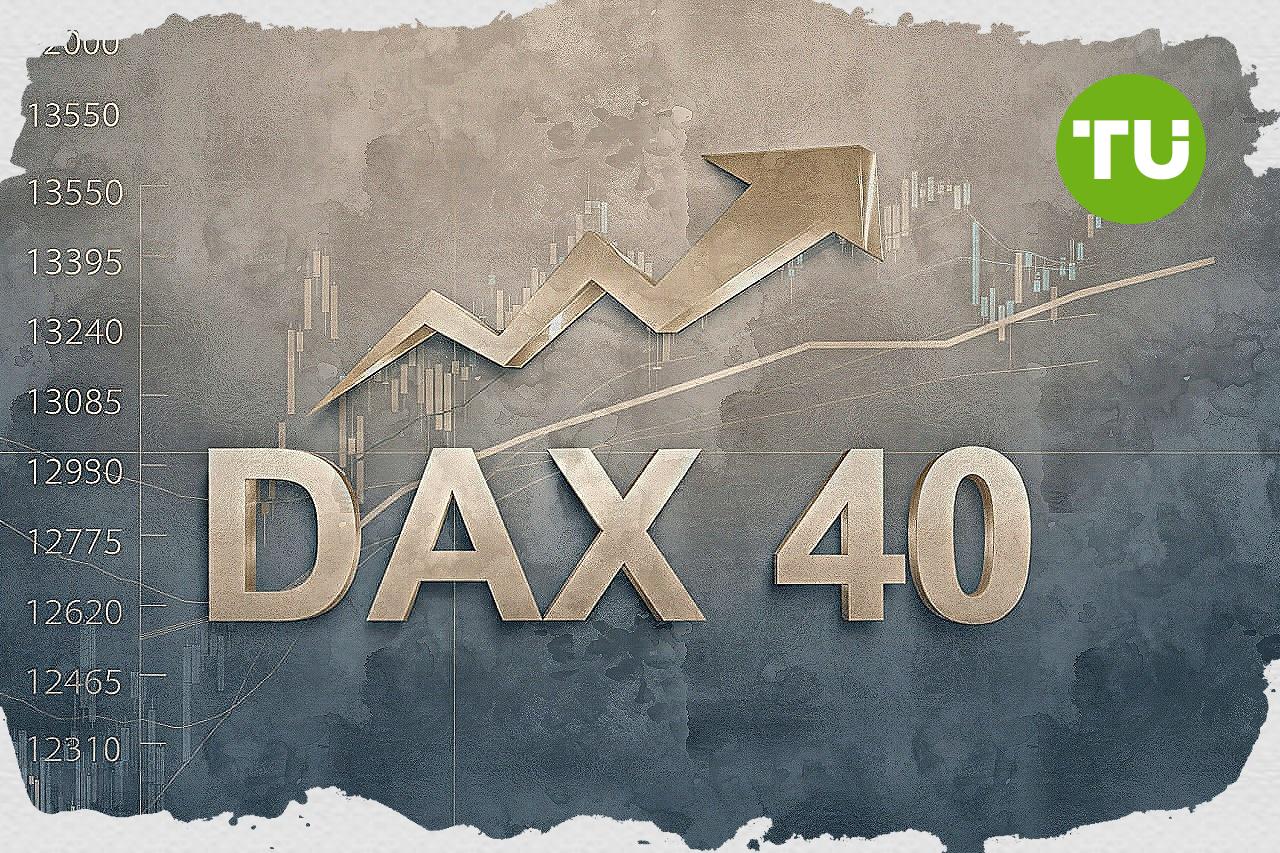
DAX Index (DAX) is currently trading at 23,670.50, up 0.95% on the day. The index remains below its SMA-20 (24,461.37), SMA-50 (24,735.77), and SMA-200 (24,165.02) moving averages, reflecting ongoing seller pressure across all major timeframes.
 24983.79
25176.21
24983.79
25176.21
Highlights
- The DAX has stabilized after a 6% decline driven by Iran conflict concerns and oil prices near $100.
- Investor focus remains on headline index levels and the impact of rising oil costs on German corporates' inflation guidance.
- Technically, the DAX trades below key averages with momentum indicators signaling a bearish bias and expected consolidation between 23,300–24,200.
DAX tracks oil-driven volatility amid Iran conflict and earnings focus
At the start of the week, the DAX index has stabilized following recent losses amid continued focus on the conflict in Iran. The German benchmark index opened Monday at 23,475 points, rising by 0.1 percent, then fluctuated around Friday's closing price, most recently trading slightly down and holding steady near 23,447 points. Since the outbreak of the Iran conflict two weeks ago, the DAX has dropped approximately 6 percent, with oil prices near $100 playing a significant role in dictating index movements. Over the past week, the DAX declined by about 144 points, closing 0.61 percent lower at 23,447 points. Mid- and small-cap earnings continue, but attention remains on the broader index as investors monitor oil hedging and cost inflation guidance.
Bearish momentum confirmed as DAX holds below key technical levels
The DAX remains under pressure, trading below its short-, medium-, and long-term moving averages (SMA-20, SMA-50, and SMA-200). The Ichimoku Kijun level at 24,167.65 is acting as immediate resistance. Most daily momentum indicators signal weakness: the MACD remains in sell territory, ADX at 17.54 indicates a weak trend, RSI stands at 36.30, CCI at –97.02, Stoch RSI at 16.52, and BBP at –242.94 all highlight oversold conditions and continued seller dominance. The Awesome Oscillator is neutral.
Range-bound consolidation likely with limited upside as sellers persist
For the next five trading days, the typical volatility band is expected between 23,300 and 24,200. The probability of a significant price increase is low (less than 20%), as weekly indicators still align bearish or neutral with only the MACD-W1 showing a buy signal. The baseline scenario is a consolidation phase within the 23,300–24,200 range, with buyers and sellers finding equilibrium. A sustained close above 24,200 could trigger a move toward higher resistance, but technical momentum does not currently support this; if 23,300 is broken, sellers will likely regain control and drive prices lower.
Earlier, analysts noted that falling oil prices and improved global sentiment had helped European stock markets, including the DAX, recover from declines fueled by geopolitical tensions. The current stabilization of the DAX suggests that, while consolidation is likely in the near term, a decisive move above 24,200 remains the key level to watch for any potential shift in momentum.












-
 Afghanistan
-
 Albania
-
 Algeria
-
 Angola
-
 Argentina
-
 Armenia
-
 Australia
-
 Austria
-
 Azerbaijan
-
 Bahamas
-
 Bahrain
-
 Bangladesh
-
 Belarus
-
 Belgium
-
 Bolivia
-
 Botswana
-
 Brazil
-
 Brunei
-
 Bulgaria
-
 Cambodia
-
 Cameroon
-
 Canada
-
 Chile
Chile
-
 China
China
-
 Colombia
-
 Congo
Congo
-
 Costa Rica
-
 Cote d'Ivoire
-
 Croatia
-
 Cuba
Cuba
-
 Cyprus
-
 Czechia
-
 DR Congo
-
 Denmark
-
 Dominican Republic
-
 Ecuador
-
 Egypt
Egypt
-
 El Salvador
-
 Estonia
-
 Eswatini
-
 Ethiopia
-
 Finland
-
 France
-
 Georgia
-
 Germany
-
 Ghana
Ghana
-
 Greece
-
 Haiti
Haiti
-
 Hong Kong
-
 Hungary
-
 India
India
-
 Indonesia
-
 Iran, Islamic republic
-
 Iraq
Iraq
-
 Ireland
-
 Israel
-
 Italy
Italy
-
 Jamaica
-
 Japan
Japan
-
 Jordan
-
 Kazakhstan
-
 Kenya
Kenya
-
 Korea
Korea
-
 Kuwait
-
 Kyrgyzstan
-
 Laos
Laos
-
 Latvia
-
 Lebanon
-
 Lesotho
-
 Libya
Libya
-
 Lithuania
-
 Luxembourg
-
 Madagascar
-
 Malaysia
-
 Malta
Malta
-
 Mauritius
-
 Mexico
-
 Moldova
-
 Mongolia
-
 Montenegro
-
 Morocco
-
 Mozambique
-
 Myanmar
-
 Namibia
-
 Nepal
Nepal
-
 Netherlands
-
 New Zealand
-
 Nigeria
-
 North Macedonia
-
 Norway
-
 Oman
Oman
-
 Pakistan
-
 Palestine
-
 Panama
-
 Papua New Guinea
-
 Paraguay
-
 Peru
Peru
-
 Philippines
-
 Poland
-
 Portugal
-
 Puerto Rico
-
 Qatar
Qatar
-
 Reunion
-
 Romania
-
 Rwanda
-
 Saudi Arabia
-
 Serbia
-
 Singapore
-
 Slovakia
-
 Slovenia
-
 Somalia
-
 South Africa
-
 Spain
Spain
-
 Sri Lanka
-
 Sweden
-
 Switzerland
-
 Syria
Syria
-
 Taiwan
-
 Tajikistan
-
 Tanzania
-
 Thailand
-
 Trinidad and Tobago
-
 Tunisia
-
 Turkey
-
 UAE
UAE
-
 Uganda
-
 Ukraine
-
 United Kingdom
-
United States
-
 Uruguay
-
 Uzbekistan
-
 Venezuela
-
 Vietnam
-
 Yemen
Yemen
-
 Zambia
-
 Zimbabwe
- Forex
- Crypto











