
Markets slide after Trump signals more strikes on Iran
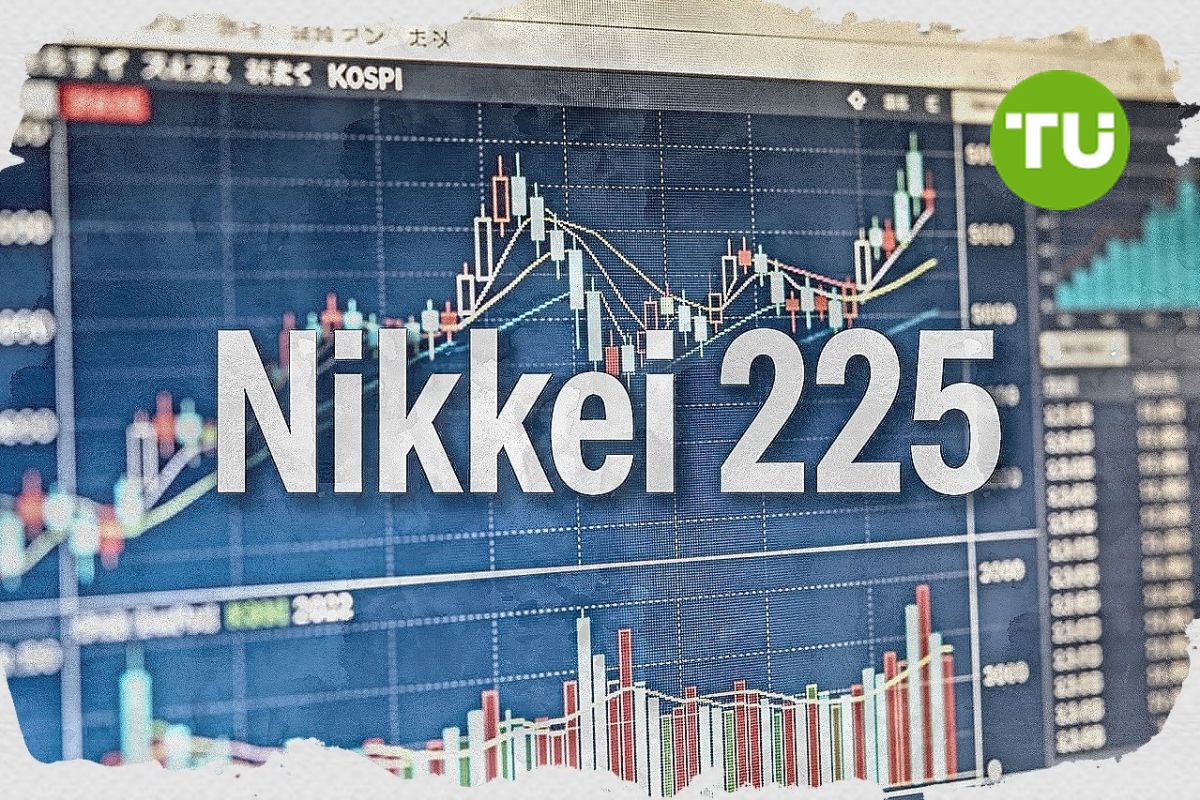
Donald Trump speech on a possible new strike against Iran triggered a sharp reversal across global markets. Instead of signals of de-escalation, investors heard a promise of an “extremely strong strike” within the next two to three weeks, and that was enough to push Asian equities, U.S. stock futures and oil markets into a new phase of volatility.
Highlights
- After Trump speech, Asian markets reversed lower: Nikkei lost 2.4%, Kospi 4.5%, and Hang Seng 1.3%.
- Brent rose into $107 to $108 range, while WTI climbed above $105 as markets again priced in the risk of prolonged supply disruptions.
- The 10-year U.S. Treasury yield rose to 4.38%, while the U.S. Dollar Index strengthened to 100.16.
According to CNBC, markets had been expecting a softer message: before Trump remarks, some investors had hoped the White House would offer a clearer signal on ending the war and restoring flows through the Strait of Hormuz. But the address offered neither a clear exit timeline nor a specific plan for normalizing oil supplies, and that vacuum quickly turned into a selloff in risk assets.
Asian markets were first to react
The market response in Asia came almost immediately. Japan Nikkei 225 fell 2.4%, South Korea Kospi dropped 4.5%, and Hong Kong Hang Seng lost 1.3%. The decline also spread to other regional markets, including Australia, Taiwan and India. Some reports said the Kospi at one point was down about 5%.
U.S. markets also shifted quickly. After the speech, futures on the S&P 500, Nasdaq-100 and Dow Jones all fell by more than 1%, while Dow futures lost more than 400 points. Futures tied to major European indexes also weakened.
Oil, the dollar and bonds brought the war premium back
The fastest response came from oil. After the speech, Brent rose into the $107 to $108 a barrel range, while WTI moved above $105. Depending on the point during trading, the gain ranged from 5% to 6%. For investors, that was a direct signal: the market is no longer pricing in a quick restoration of exports through the Strait of Hormuz.
At the same time, demand for the dollar strengthened. The U.S. Dollar Index climbed to around 100.16, while the yen weakened against the dollar. The yield on the 10-year US Treasury rose to 4.38%, reflecting a selloff in bonds and renewed inflation fears driven by higher energy prices.
What this changes for global investors
The main effect of Trump speech is that it brought the worst-case scenario back into focus: the war may be moving closer to a formal end, but the economic fallout could last much longer than traders had expected. Oil is already trading above $107, Asian indexes lost between 1% and 4.5% in a single day, and US futures are once again pricing in the risk of a prolonged conflict.
For businesses, that means higher energy costs, more pressure on inflation and firmer expectations for interest rates. For capital markets, it means a return to a regime in which a single military warning from the White House can alter the pricing of oil, stocks, bonds and currencies within minutes.
We also reported that Bitcoin drops to $66,000 after Trump’s speech on Iran.




Latest Nikkei 225 News






-
 Afghanistan
-
 Albania
-
 Algeria
-
 Angola
-
 Argentina
-
 Armenia
-
 Australia
-
 Austria
-
 Azerbaijan
-
 Bahamas
-
 Bahrain
-
 Bangladesh
-
 Belarus
-
 Belgium
-
 Bolivia
-
 Botswana
-
 Brazil
-
 Brunei
-
 Bulgaria
-
 Cambodia
-
 Cameroon
-
 Canada
-
 Chile
Chile
-
 China
China
-
 Colombia
-
 Congo
Congo
-
 Costa Rica
-
 Cote d'Ivoire
-
 Croatia
-
 Cuba
Cuba
-
 Cyprus
-
 Czechia
-
 DR Congo
-
 Denmark
-
 Dominican Republic
-
 Ecuador
-
 Egypt
Egypt
-
 El Salvador
-
 Estonia
-
 Eswatini
-
 Ethiopia
-
 Finland
-
 France
-
 Georgia
-
 Germany
-
 Ghana
Ghana
-
 Greece
-
 Haiti
Haiti
-
 Hong Kong
-
 Hungary
-
 India
India
-
 Indonesia
-
 Iran, Islamic republic
-
 Iraq
Iraq
-
 Ireland
-
 Israel
-
 Italy
Italy
-
 Jamaica
-
 Japan
Japan
-
 Jordan
-
 Kazakhstan
-
 Kenya
Kenya
-
 Korea
Korea
-
 Kuwait
-
 Kyrgyzstan
-
 Laos
Laos
-
 Latvia
-
 Lebanon
-
 Lesotho
-
 Libya
Libya
-
 Lithuania
-
 Luxembourg
-
 Madagascar
-
 Malaysia
-
 Malta
Malta
-
 Mauritius
-
 Mexico
-
 Moldova
-
 Mongolia
-
 Montenegro
-
 Morocco
-
 Mozambique
-
 Myanmar
-
 Namibia
-
 Nepal
Nepal
-
 Netherlands
-
 New Zealand
-
 Nigeria
-
 North Macedonia
-
 Norway
-
 Oman
Oman
-
 Pakistan
-
 Palestine
-
 Panama
-
 Papua New Guinea
-
 Paraguay
-
 Peru
Peru
-
 Philippines
-
 Poland
-
 Portugal
-
 Puerto Rico
-
 Qatar
Qatar
-
 Reunion
-
 Romania
-
 Rwanda
-
 Saudi Arabia
-
 Serbia
-
 Singapore
-
 Slovakia
-
 Slovenia
-
 Somalia
-
 South Africa
-
 Spain
Spain
-
 Sri Lanka
-
 Sweden
-
 Switzerland
-
 Syria
Syria
-
 Taiwan
-
 Tajikistan
-
 Tanzania
-
 Thailand
-
 Trinidad and Tobago
-
 Tunisia
-
 Turkey
-
 UAE
UAE
-
 Uganda
-
 Ukraine
-
 United Kingdom
-
United States
-
 Uruguay
-
 Uzbekistan
-
 Venezuela
-
 Vietnam
-
 Yemen
Yemen
-
 Zambia
-
 Zimbabwe
- Forex
- Crypto











