
Dow, S&P 500, and Nasdaq futures fall as Hormuz risk grows

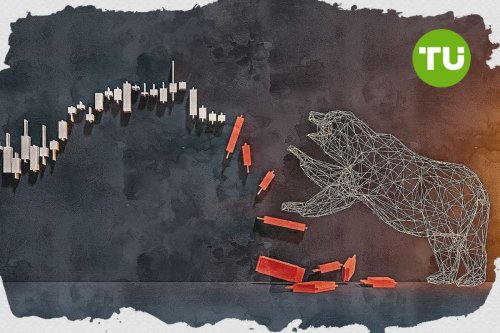
U.S. stock futures moved lower after a new wave of U.S. strikes on Iran near the Strait of Hormuz brought geopolitical risk back into focus. The pressure on indexes was partly softened by strong technology earnings, which showed that demand tied to artificial intelligence remains one of the main drivers of corporate spending.
Highlights
- Dow Jones futures fell 0.2%, S&P 500 futures declined 0.4%, and Nasdaq 100 futures dropped 0.8%.
- Snowflake jumped more than 30% after strong results and a $6 billion AWS deal.
- Investors are waiting for PCE data, which could shape the next move in rate expectations.
Wall Street pulls back from records
Dow Jones futures fell 0.2%, S&P 500 futures declined 0.4%, and tech-heavy Nasdaq 100 futures dropped 0.8%. The retreat came after all three major indexes cautiously reached record levels the previous day, Yahoo!Finance reported. At that point, investors were pricing in the possibility of diplomatic progress between the U.S. and Iran and a potential easing of risks around the Strait of Hormuz.
Sentiment shifted after reports of a second wave of U.S. strikes on Iranian targets in three days. The Strait of Hormuz remains one of the most sensitive points in global energy markets, so any escalation near it quickly affects oil prices and inflation expectations.
Oil rose on Thursday after another exchange of strikes, underscoring the fragility of the cease-fire. For the stock market, that is an uncomfortable mix: geopolitical uncertainty increases demand for defensive assets, while more expensive oil could complicate the Federal Reserve’s fight against inflation.
AI continues to support the technology sector
Even as futures broadly declined, corporate earnings gave investors some reason for cautious optimism. Snowflake, Marvell and HP reported strong results after the close on Wednesday, confirming solid demand for cloud services, chips and computers linked to artificial intelligence.
Snowflake drew particular attention. The company announced a $6 billion deal with Amazon Web Services, and its shares rose more than 30% in after-hours trading. For the market, this was another sign that AI spending is spreading beyond the largest chipmakers into cloud infrastructure, databases and enterprise software.
Salesforce also reported earnings above Wall Street expectations, but its cautious outlook added to investor concerns. The market is watching more closely which companies are turning AI into additional revenue and whose business models may gradually come under pressure from it.
Inflation becomes the next major test
The next key focus for investors is the personal consumption expenditures price index, the Federal Reserve’s preferred inflation gauge. If the report shows stronger price pressure, markets could adjust expectations for interest rates.
Earnings season is also ending with a busy day: Costco, Dell Technologies, Dollar Tree, Best Buy and Gap are expected to report results. Their numbers will help show how resilient consumer demand and corporate spending remain amid higher oil prices, elevated rates and geopolitical uncertainty.
For the market, the key figure is not only the 0.8% drop in Nasdaq 100 futures. What matters more is the balance between two forces: AI continues to support technology stocks, while strikes near Hormuz, rising oil prices and inflation risks limit investors’ willingness to buy the market at record highs.
We also reported gold drops to two-month low despite renewed U.S.-Iran war tensions.




Latest Iran war News









-
 Afghanistan
-
 Albania
-
 Algeria
-
 Angola
-
 Argentina
-
 Armenia
-
 Australia
-
 Austria
-
 Azerbaijan
-
 Bahamas
-
 Bahrain
-
 Bangladesh
-
 Belarus
-
 Belgium
-
 Bolivia
-
 Botswana
-
 Brazil
-
 Brunei
-
 Bulgaria
-
 Cambodia
-
 Cameroon
-
 Canada
-
 Chile
Chile
-
 China
China
-
 Colombia
-
 Congo
Congo
-
 Costa Rica
-
 Cote d'Ivoire
-
 Croatia
-
 Cuba
Cuba
-
 Cyprus
-
 Czechia
-
 DR Congo
-
 Denmark
-
 Dominican Republic
-
 Ecuador
-
 Egypt
Egypt
-
 El Salvador
-
 Estonia
-
 Eswatini
-
 Ethiopia
-
 Finland
-
 France
-
 Georgia
-
 Germany
-
 Ghana
Ghana
-
 Greece
-
 Haiti
Haiti
-
 Hong Kong
-
 Hungary
-
 India
India
-
 Indonesia
-
 Iran, Islamic republic
-
 Iraq
Iraq
-
 Ireland
-
 Israel
-
 Italy
Italy
-
 Jamaica
-
 Japan
Japan
-
 Jordan
-
 Kazakhstan
-
 Kenya
Kenya
-
 Korea
Korea
-
 Kuwait
-
 Kyrgyzstan
-
 Laos
Laos
-
 Latvia
-
 Lebanon
-
 Lesotho
-
 Libya
Libya
-
 Lithuania
-
 Luxembourg
-
 Madagascar
-
 Malaysia
-
 Malta
Malta
-
 Mauritius
-
 Mexico
-
 Moldova
-
 Mongolia
-
 Montenegro
-
 Morocco
-
 Mozambique
-
 Myanmar
-
 Namibia
-
 Nepal
Nepal
-
 Netherlands
-
 New Zealand
-
 Nigeria
-
 North Macedonia
-
 Norway
-
 Oman
Oman
-
 Pakistan
-
 Palestine
-
 Panama
-
 Papua New Guinea
-
 Paraguay
-
 Peru
Peru
-
 Philippines
-
 Poland
-
 Portugal
-
 Puerto Rico
-
 Qatar
Qatar
-
 Reunion
-
 Romania
-
 Rwanda
-
 Saudi Arabia
-
 Serbia
-
 Singapore
-
 Slovakia
-
 Slovenia
-
 Somalia
-
 South Africa
-
 Spain
Spain
-
 Sri Lanka
-
 Sweden
-
 Switzerland
-
 Syria
Syria
-
 Taiwan
-
 Tajikistan
-
 Tanzania
-
 Thailand
-
 Trinidad and Tobago
-
 Tunisia
-
 Turkey
-
 UAE
UAE
-
 Uganda
-
 Ukraine
-
 United Kingdom
-
United States
-
 Uruguay
-
 Uzbekistan
-
 Venezuela
-
 Vietnam
-
 Yemen
Yemen
-
 Zambia
-
 Zimbabwe
- Forex
- Crypto











