


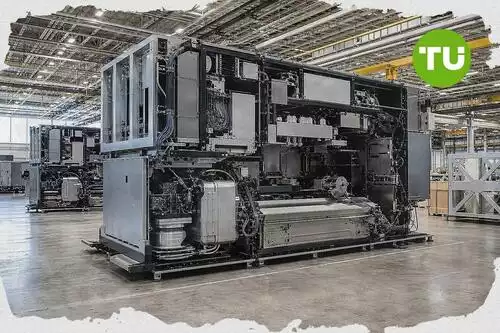
ASML is pushing back against a proposal in the U.S. Congress that would restrict its sales of DUV lithography machines to China. The company says the measure risks speeding up China's development of competing chipmaking technology if it becomes law after the U.S. midterm elections.
Highlights
- ASML CFO Roger Dassen warns the U.S. Match Act would restrict its sales of DUV lithography equipment to China, impacting revenues.
- Dassen argues the proposed measure could accelerate China's domestic development of rival semiconductor technologies, potentially reducing Western suppliers' future market share.
- Tighter U.S. export controls threaten to disrupt global chipmaking supply chains, especially as China remains a key market for ASML's older-generation DUV systems.
Congress proposal and ASML response
As reported by Reuters, ASML Chief Financial Officer Roger Dassen says the Dutch chip equipment maker opposes the proposed U.S. Match Act because it would limit the company's sales of DUV lithography equipment to China.Dassen tells reporters after ASML's third-quarter earnings that, if the measure passes after the U.S. midterm elections, it would be counterproductive by accelerating China's domestic development of rival technology. He adds that he remains optimistic that common sense will prevail.
Implications for the chip equipment sector
The comments highlight the continuing tension between export controls and commercial access in the semiconductor equipment industry, where China remains an important market for older-generation lithography systems such as DUV tools.For ASML, tighter U.S.-linked restrictions could affect its China business while also reshaping competitive dynamics in the global chipmaking supply chain if Chinese manufacturers intensify efforts to develop alternatives.
Our earlier report on China’s September trade data highlighted a sharp rise in exports driven by shipments of AI-related electronics, underscoring how external demand is helping offset weak domestic conditions. We also noted that growing trade frictions and market-access limits—such as negotiated curbs on certain exports—can become a key headwind for companies even as they expand their global footprint.









-
 Afghanistan
-
 Albania
-
 Algeria
-
 Angola
-
 Argentina
-
 Armenia
-
 Australia
-
 Austria
-
 Azerbaijan
-
 Bahamas
-
 Bahrain
-
 Bangladesh
-
 Belarus
-
 Belgium
-
 Bolivia
-
 Botswana
-
 Brazil
-
 Brunei
-
 Bulgaria
-
 Cambodia
-
 Cameroon
-
 Canada
-
 Chile
-
 China
-
 Colombia
-
 Congo
-
 Costa Rica
-
 Cote d'Ivoire
-
 Croatia
-
 Cuba
-
 Cyprus
-
 Czechia
-
 DR Congo
-
 Denmark
-
 Dominican Republic
-
 Ecuador
-
 Egypt
-
 El Salvador
-
 Estonia
-
 Eswatini
-
 Ethiopia
-
 Finland
-
 France
-
 Georgia
-
 Germany
-
 Ghana
-
 Greece
-
 Haiti
-
 Hong Kong
-
 Hungary
-
 India
-
 Indonesia
-
 Iran, Islamic republic
-
 Iraq
-
 Ireland
-
 Israel
-
 Italy
-
 Jamaica
-
 Japan
-
 Jordan
-
 Kazakhstan
-
 Kenya
-
 Korea
-
 Kuwait
-
 Kyrgyzstan
-
 Laos
-
 Latvia
-
 Lebanon
-
 Lesotho
-
 Libya
-
 Lithuania
-
 Luxembourg
-
 Madagascar
-
 Malaysia
-
 Malta
-
 Mauritius
-
 Mexico
-
 Moldova
-
 Mongolia
-
 Montenegro
-
 Morocco
-
 Mozambique
-
 Myanmar
-
 Namibia
-
 Nepal
-
 Netherlands
-
 New Zealand
-
 Nigeria
-
 North Macedonia
-
 Norway
-
 Oman
-
 Pakistan
-
 Palestine
-
 Panama
-
 Papua New Guinea
-
 Paraguay
-
 Peru
-
 Philippines
-
 Poland
-
 Portugal
-
 Puerto Rico
-
 Qatar
-
 Reunion
-
 Romania
-
 Rwanda
-
 Saudi Arabia
-
 Serbia
-
 Singapore
-
 Slovakia
-
 Slovenia
-
 Somalia
-
 South Africa
-
 Spain
-
 Sri Lanka
-
 Sweden
-
 Switzerland
-
 Syria
-
 Taiwan
-
 Tajikistan
-
 Tanzania
-
 Thailand
-
 Trinidad and Tobago
-
 Tunisia
-
 Turkey
-
 UAE
-
 Uganda
-
 Ukraine
-
 United Kingdom
-
United States
-
 Uruguay
-
 Uzbekistan
-
 Venezuela
-
 Vietnam
-
 Yemen
-
 Zambia
-
 Zimbabwe
- Forex
- Crypto












