Adam Back Biography, Career, Net Worth, and Key Insight


Adam Back’s Profile Summary
|
Company
|
Blockstream |
|---|---|
|
Position
|
CEO and Co-Founder of Blockstream |
|
Source of wealth
|
Income from Blockstream’s blockchain projects, Hashcash licensing, consulting in cryptography, various entrepreneurial ventures |
|
Also known as
|
Cryptography pioneer, Bitcoin advocate, inventor of Hashcash |
|
Age
|
56 |
|
Education
|
University of Exeter – PhD in Computer Science |
|
Citizenship
|
British |
|
Residence
|
London, United Kingdom |
|
Family
|
Adam Back is married, and he likely has children, though further details are not publicly available |
|
Website, Social Media
|
Biography
Adam Back is a British cryptographer and one of the most influential figures in the blockchain and cryptocurrency space. Born in 1970, he earned a Ph.D. in Computer Science from the University of Exeter, specializing in cryptography and distributed systems. In 1997, he invented Hashcash, a proof-of-work system that later became a foundational component of Bitcoin mining. His extensive career includes work on privacy-focused technologies such as Zero-Knowledge Systems, and he has consulted for various companies, including Nokia and Credentica (later acquired by Microsoft). In 2014, Adam Back co-founded Blockstream, which plays a significant role in Bitcoin development, particularly with its work on Bitcoin Core. Under his leadership, Blockstream has advanced innovations in satellite communication for Bitcoin and the Liquid Network for exchanges. Back is also notable for being one of the few people to receive direct emails from Satoshi Nakamoto, the mysterious creator of Bitcoin-
How did Adam Back make money?
Adam Back makes money in the following areas:
Income from Blockstream’s blockchain projects, Hashcash licensing, consulting in cryptography, various entrepreneurial ventures
-
What is Adam Back net worth?
As of 2026, Adam Back’s net worth is estimated to be $100M.
What is Adam Back also known as?
Adam Back is known for his early contributions to digital privacy and cryptography, particularly the development of Hashcash, which is now integral to Bitcoin's mining process. He also worked on Zero-Knowledge Systems, contributing to the development of the Freedom network, a precursor to the Tor network, aimed at ensuring anonymous internet browsing. His entrepreneurial ventures include co-founding PI Corporation and later joining EMC as Chief Security Officer of its consumer division. His work has significantly influenced the broader fields of blockchain, cryptography, and digital privacyProminent achievements
Adam Back invented Hashcash, a key component of Bitcoin's mining system. He co-founded Blockstream, a leading blockchain technology company. He has been recognized as a possible candidate for Satoshi Nakamoto and contributed to significant advancements in Bitcoin technology, including sidechains and satellite broadcasting for Bitcoin transactionsLed Blockstream’s 2025 strategic realignment to unify consumer, enterprise, and institutional offerings, and expanded Blockstream Asset Management for institutional Bitcoin investment products.
What are Adam Back’s key insights?
Adam Back emphasizes innovation in cryptography and digital privacy, advocating for proof of work systems like Bitcoin as "digital gold" due to their inherent production costs. He believes in the importance of decentralization, resilient infrastructures, and the long-term value of hard money in the cryptocurrency ecosystem
Personal life
While Adam Back maintains a private personal life, it is known that he is married. Specific information about his children or family members is not disclosed
Useful insights
Community and ecosystem growth

Crypto Angel Investors often highlight the importance of community when evaluating the potential of a crypto project. A strong, engaged community can fuel a project’s success. Here’s what to look for.
-
Measure the project’s community engagement
Platforms like Telegram, Discord, and Twitter are essential for assessing a project’s community. Look for a project that has an active, supportive community that engages with the developers and marketing team. Projects with loyal communities tend to fare better in the long run.
-
Check the ecosystem’s development
A growing ecosystem with third-party applications and services built around the project is a positive sign. Look at the number of developers building on the platform and whether the project encourages external contributions. This kind of organic growth indicates the project's potential for long-term adoption.
-
Look for governance and decentralization
Strong governance mechanisms, such as Decentralized Autonomous Organizations (DAOs), show that the community has a say in the project’s development. Projects with decentralized governance are often seen as more trustworthy and resilient, as they rely on the broader community rather than a centralized authority.
Latest Adam Back News
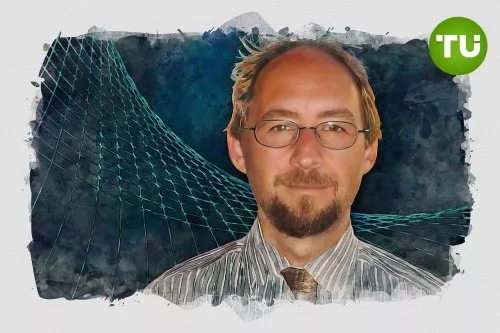
LBTC:BTC swaps now available on SideSwap and AquaBitcoin platforms, Adam Back notes

Adam Back: Hardware wallet threat modeling often overlooks practical security limits
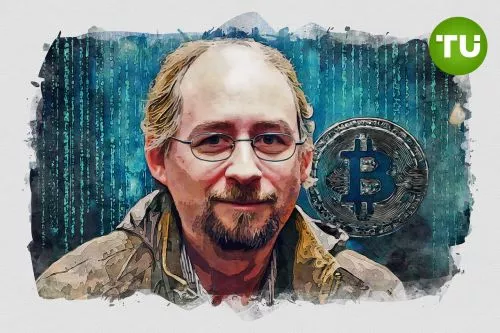
Shielded CSV supports privacy-focused validation, Adam Back notes
Adam Back: Hard bearer money encourages longer-term financial planning
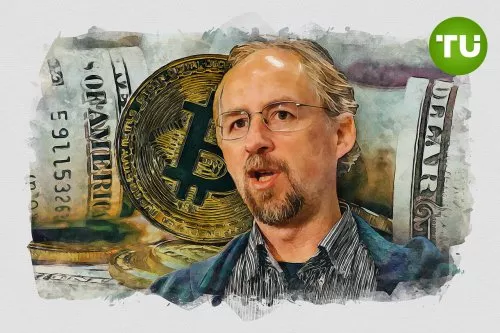
Tokenized securities offered on Blockstream Liquid AMP, Adam Back notes
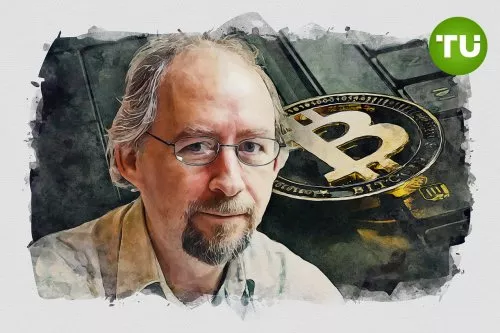
Adam Back: Economic nodes reflect market outcomes in crypto sector
Other profiles in category
Editors' Top Picks and Insights






Popular Crypto Guides

-
 Afghanistan
-
 Albania
-
 Algeria
-
 Angola
-
 Argentina
-
 Armenia
-
 Australia
-
 Austria
-
 Azerbaijan
-
 Bahamas
-
 Bahrain
-
 Bangladesh
-
 Belarus
-
 Belgium
-
 Bolivia
-
 Botswana
-
 Brazil
-
 Brunei
-
 Bulgaria
-
 Cambodia
-
 Cameroon
-
 Canada
-
 Chile
-
 China
-
 Colombia
-
 Congo
-
 Costa Rica
-
 Cote d'Ivoire
-
 Croatia
-
 Cuba
-
 Cyprus
-
 Czechia
-
 DR Congo
-
 Denmark
-
 Dominican Republic
-
 Ecuador
-
 Egypt
-
 El Salvador
-
 Estonia
-
 Eswatini
-
 Ethiopia
-
 Finland
-
 France
-
 Georgia
-
 Germany
-
 Ghana
-
 Greece
-
 Haiti
-
 Hong Kong
-
 Hungary
-
 India
-
 Indonesia
-
 Iran, Islamic republic
-
 Iraq
-
 Ireland
-
 Israel
-
 Italy
-
 Jamaica
-
 Japan
-
 Jordan
-
 Kazakhstan
-
 Kenya
-
 Korea
-
 Kuwait
-
 Kyrgyzstan
-
 Laos
-
 Latvia
-
 Lebanon
-
 Lesotho
-
 Libya
-
 Lithuania
-
 Luxembourg
-
 Madagascar
-
 Malaysia
-
 Malta
-
 Mauritius
-
 Mexico
-
 Moldova
-
 Mongolia
-
 Montenegro
-
 Morocco
-
 Mozambique
-
 Myanmar
-
 Namibia
-
 Nepal
-
 Netherlands
-
 New Zealand
-
 Nigeria
-
 North Macedonia
-
 Norway
-
 Oman
-
 Pakistan
-
 Palestine
-
 Panama
-
 Papua New Guinea
-
 Paraguay
-
 Peru
-
 Philippines
-
 Poland
-
 Portugal
-
 Puerto Rico
-
 Qatar
-
 Reunion
-
 Romania
-
 Rwanda
-
 Saudi Arabia
-
 Serbia
-
 Singapore
-
 Slovakia
-
 Slovenia
-
 Somalia
-
 South Africa
-
 Spain
-
 Sri Lanka
-
 Sweden
-
 Switzerland
-
 Syria
-
 Taiwan
-
 Tajikistan
-
 Tanzania
-
 Thailand
-
 Trinidad and Tobago
-
 Tunisia
-
 Turkey
-
 UAE
-
 Uganda
-
 Ukraine
-
 United Kingdom
-
United States
-
 Uruguay
-
 Uzbekistan
-
 Venezuela
-
 Vietnam
-
 Yemen
-
 Zambia
-
 Zimbabwe
- Forex
- Crypto












