Dom Hofmann Biography, Career, Net Worth, and Key Insight



Dom Hofmann’s Profile Summary
|
Company
|
Loot |
|---|---|
|
Position
|
Creator |
|
Source of wealth
|
Earnings from entrepreneurial ventures (Vine, Byte), NFT sales from Loot, cryptocurrency assets linked to AGLD. |
|
Also known as
|
Co-founder of Vine, creator of Byte, NFT project innovator. |
|
Age
|
Unknown |
|
Education
|
Not publicly disclosed. |
|
Citizenship
|
United States |
|
Residence
|
No data |
|
Family
|
Not publicly disclosed. |
|
Website, Social Media
|
https://adventuregold.org/ |
Biography
Dom Hofmann is an American entrepreneur and software developer known for co-founding the short-form video platform Vine, which revolutionized online video content with its six-second looping videos. After Vine, Hofmann continued his entrepreneurial journey, launching various creative projects, including Byte, a successor to Vine, and most notably, Loot. He introduced Loot as a pioneering NFT project comprising 8,000 text-based "bags" of randomized adventure gear, allowing the community to interpret and build on them without predefined imagery or stats. This unique, decentralized approach to gaming and NFTs sparked significant interest in the blockchain and gaming communities, leading to the creation of the AGLD token as a community-driven currency for Loot. Hofmann's vision for Loot and AGLD represents a push towards open-source, community-led game and asset development-
How did Dom Hofmann make money?
Dom Hofmann makes money in the following areas:
Earnings from entrepreneurial ventures (Vine, Byte), NFT sales from Loot, cryptocurrency assets linked to AGLD.
-
What is Dom Hofmann net worth?
As of 2026, there is no publicly available and reliable information regarding Dom Hofmann’s net worth.
What is Dom Hofmann also known as?
Dom Hofmann initially gained recognition as the co-founder of Vine, a popular short-form video platform that introduced the world to looping six-second videos, greatly influencing social media content creation. Following Vine, he launched Byte, a modernized version of the Vine concept. His work in the NFT space, particularly with Loot, positioned him as an innovator in decentralized gaming and blockchain art projects. Loot's open-source nature empowered the community to shape the project, marking a significant shift in digital asset ownership and creativityProminent achievements
Co-founded the influential social media platform Vine, created the open-source NFT project Loot, recognized for advancing community-driven gaming and digital asset projects, established AGLD as the governance token for Loot.What are Dom Hofmann’s key insights?
Dom Hofmann advocates for decentralization and open collaboration in digital and creative spaces. His projects emphasize empowering communities to co-create and shape the direction of new platforms or games, challenging traditional models of centralized control.
Personal life
There is no publicly available detailed information about Dom Hofmann's family.
Useful insights
Evaluate the team behind the project

If you’re interested in picking top crypto projects, learning from the experience of successful Crypto developers and Crypto Angel Investors can help you avoid common pitfalls. One of the key elements to consider when evaluating a crypto project is the team behind it. Here’s how to assess it effectively
-
Research the founders and developers
Crypto Angel Investors often stress the importance of knowing the people behind the project. A credible project usually has a transparent team with a strong background in blockchain technology or relevant industries. Make sure to look into their previous work, LinkedIn profiles, and their reputation in the crypto community.
-
Look for a track record of success
Many top Crypto Angel Investors, such as Anthony Pompliano, emphasize the value of a team's track record. If the developers or founders have successfully built or contributed to previous projects, it's a positive sign that they know how to deliver. Trustworthy teams are often recognized for their expertise and credibility in the space.
-
Assess transparency and communication
Good projects maintain transparent communication with their community, often using platforms like GitHub, Twitter, or Discord. If the team regularly updates their followers on milestones, developments, and challenges, it’s usually a sign of reliability. From my experience, projects with open lines of communication are more likely to succeed long-term.
Other profiles in category
Popular Crypto Guides
Editors' Top Picks and Insights

Bitcoin price prediction based on RSI: Is BTC poised for a new rally?

Toncoin becomes Gram: Why Durov restored token's original name

Why Tether flipping Ethereum is a pivotal moment for crypto

MiCA deadline: Why crypto companies are leaving Europe
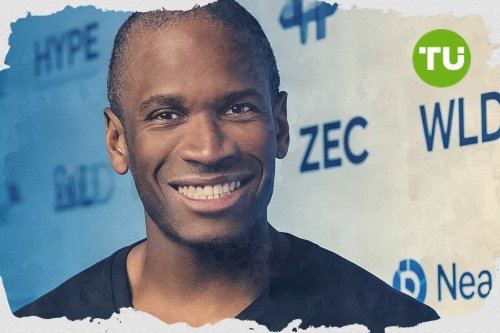
From “Holy Trinity” to WLD crash: How Arthur Hayes became a market-moving seller
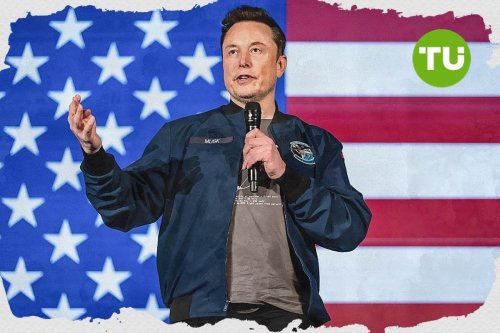
The world's first trillionaire: How Musk built his fortune on electric cars, space and AI
Latest Crypto News

Kalshi expands perpetual futures market after reaching $5.5 billion in trading volume
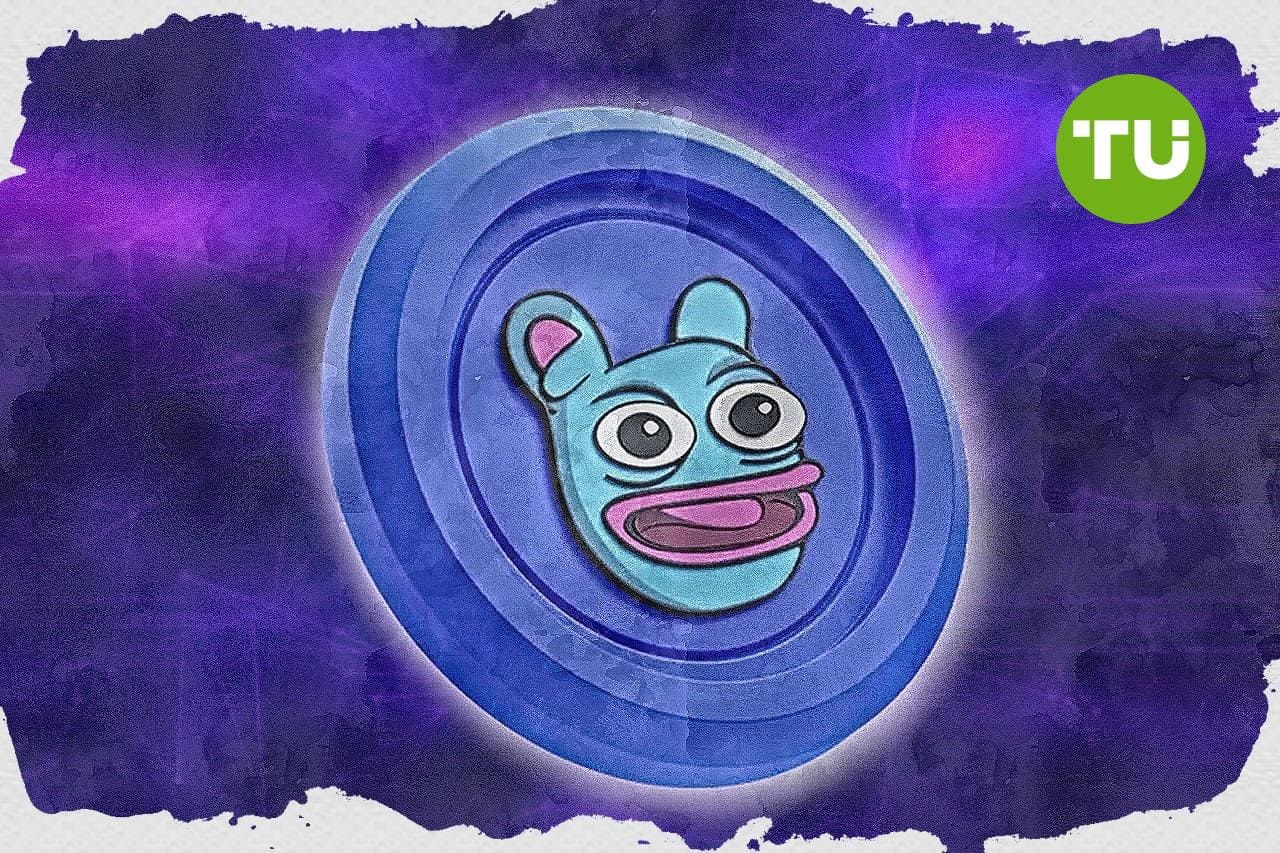
Brett climbs 5.79% as buyers dominate near daily high
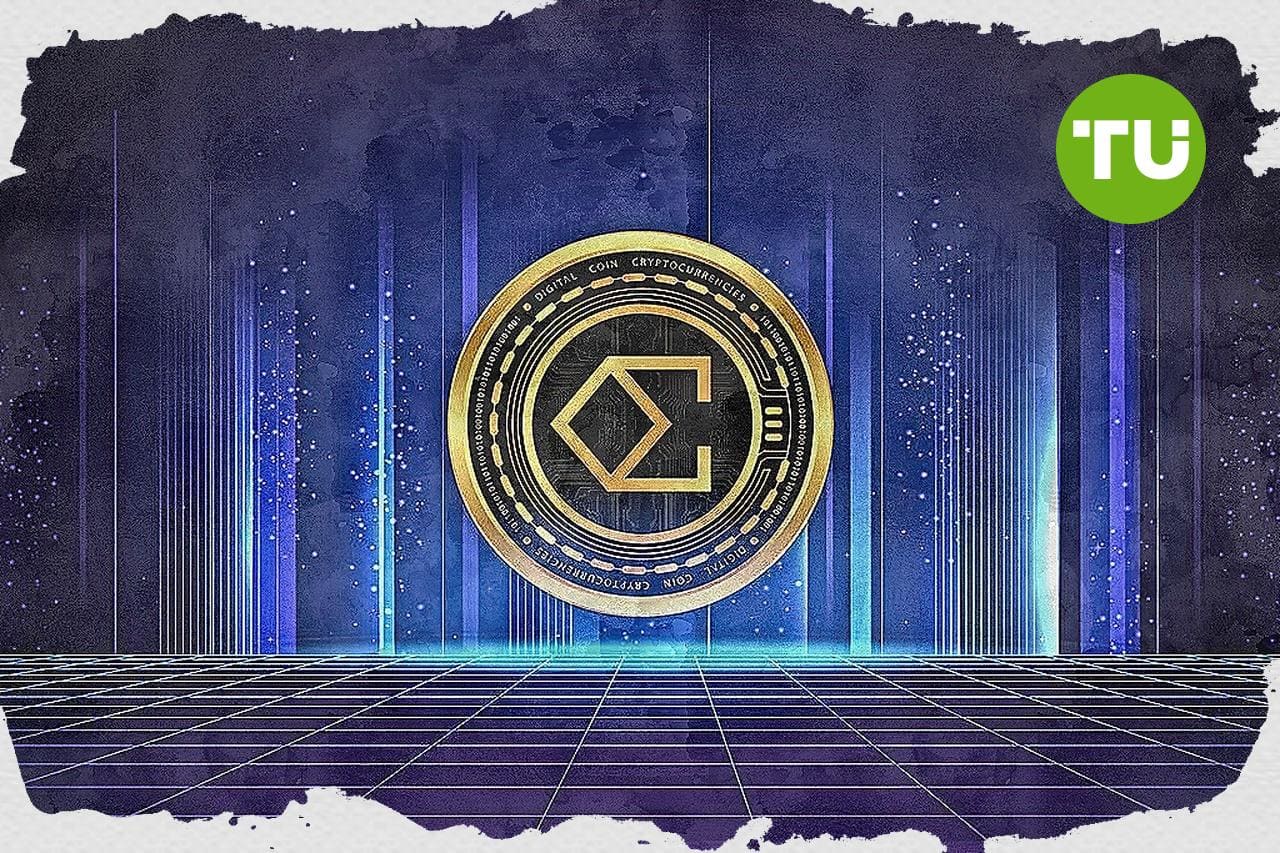
Ethena climbs 8.32% as $250 million allocation to tokenized AAA CLO fund STAC sparks bullish sentiment

-
 Afghanistan
-
 Albania
-
 Algeria
-
 Angola
-
 Argentina
-
 Armenia
-
 Australia
-
 Austria
-
 Azerbaijan
-
 Bahamas
-
 Bahrain
-
 Bangladesh
-
 Belarus
-
 Belgium
-
 Bolivia
-
 Botswana
-
 Brazil
-
 Brunei
-
 Bulgaria
-
 Cambodia
-
 Cameroon
-
 Canada
-
 Chile
Chile
-
 China
China
-
 Colombia
-
 Congo
Congo
-
 Costa Rica
-
 Cote d'Ivoire
-
 Croatia
-
 Cuba
Cuba
-
 Cyprus
-
 Czechia
-
 DR Congo
-
 Denmark
-
 Dominican Republic
-
 Ecuador
-
 Egypt
Egypt
-
 El Salvador
-
 Estonia
-
 Eswatini
-
 Ethiopia
-
 Finland
-
 France
-
 Georgia
-
 Germany
-
 Ghana
Ghana
-
 Greece
-
 Haiti
Haiti
-
 Hong Kong
-
 Hungary
-
 India
India
-
 Indonesia
-
 Iran, Islamic republic
-
 Iraq
Iraq
-
 Ireland
-
 Israel
-
 Italy
Italy
-
 Jamaica
-
 Japan
Japan
-
 Jordan
-
 Kazakhstan
-
 Kenya
Kenya
-
 Korea
Korea
-
 Kuwait
-
 Kyrgyzstan
-
 Laos
Laos
-
 Latvia
-
 Lebanon
-
 Lesotho
-
 Libya
Libya
-
 Lithuania
-
 Luxembourg
-
 Madagascar
-
 Malaysia
-
 Malta
Malta
-
 Mauritius
-
 Mexico
-
 Moldova
-
 Mongolia
-
 Montenegro
-
 Morocco
-
 Mozambique
-
 Myanmar
-
 Namibia
-
 Nepal
Nepal
-
 Netherlands
-
 New Zealand
-
 Nigeria
-
 North Macedonia
-
 Norway
-
 Oman
Oman
-
 Pakistan
-
 Palestine
-
 Panama
-
 Papua New Guinea
-
 Paraguay
-
 Peru
Peru
-
 Philippines
-
 Poland
-
 Portugal
-
 Puerto Rico
-
 Qatar
Qatar
-
 Reunion
-
 Romania
-
 Rwanda
-
 Saudi Arabia
-
 Serbia
-
 Singapore
-
 Slovakia
-
 Slovenia
-
 Somalia
-
 South Africa
-
 Spain
Spain
-
 Sri Lanka
-
 Sweden
-
 Switzerland
-
 Syria
Syria
-
 Taiwan
-
 Tajikistan
-
 Tanzania
-
 Thailand
-
 Trinidad and Tobago
-
 Tunisia
-
 Turkey
-
 UAE
UAE
-
 Uganda
-
 Ukraine
-
 United Kingdom
-
United States
-
 Uruguay
-
 Uzbekistan
-
 Venezuela
-
 Vietnam
-
 Yemen
Yemen
-
 Zambia
-
 Zimbabwe
- Forex
- Crypto












