
How To Predict Next Candlestick In Binary Trading


Editorial Note: While we adhere to strict Editorial Integrity, this post may contain references to products from our partners. Here's an explanation for How We Make Money. None of the data and information on this webpage constitutes investment advice according to our Disclaimer.
To predict the next candlestick in binary trading, follow these key techniques:
Understanding candlestick patterns like Doji, engulfing, and pin bars to anticipate price movement.
Use technical indicators like RSI, moving averages, Bollinger Bands, and MACD to confirm market signals.
Analyze market trends and determine if the market is trending or ranging to adjust your trading strategy.
Pick the right time frame as per your trading strategy.
Binary options trading needs a good grasp of market trends, price movements, and technical indicators. Predicting candle direction is key to better trades. Studying candlestick patterns and trends helps traders trade smarter. Here's how to do it effectively.
Understanding candlestick patterns
Candlestick patterns are essential tools for traders who want to predict price movements in binary options. Each candle represents price action over a specific time frame and consists of four main components. Traders who learn the steps for prediction of the next candle in binary trading gain a sharper understanding of price momentum and reversal signals, especially when used with volume and trend context.

Here’s how open, high, low, and close prices can reveal trader behavior in ways most people miss.
Open price traps. The opening price often tricks traders into thinking a trend has started, especially in volatile markets. Big players set traps to trigger stop-losses before reversing the trend.
High price exhaustion. A candle’s high isn’t just a peak; it shows whether buyers still have strength. If the price hits a high but quickly pulls back, it shows big traders cashing out, not real buying pressure. Understanding such moves helps traders improve their insight into prediction of the next candle when trading binary options.
Low price deception. A candle’s low can be a fake-out. When the price dips and recovers fast, it often means big traders dip the price to grab cheap orders before moving higher.
Close price psychology. The closing price is the real story. If a candle closes near its high after a weak start, it’s a sign that buyers are taking control, but many traders miss it.
Recognizing common candlestick patterns can help traders predict future price movements. Some of the most reliable patterns include:
Doji candlestick. A Doji is more than just indecision. It’s where big traders test the market. Big players often use Dojis to mislead smaller traders. Most beginners see a Doji as neutral, but its location is what really matters. If a Doji forms at resistance after a strong rally, big traders might be cashing out while smaller traders keep buying, which often leads to a sharp drop. On the other hand, if a Doji appears at support, it doesn’t always mean the price will bounce, but also that big players are setting up their next move.

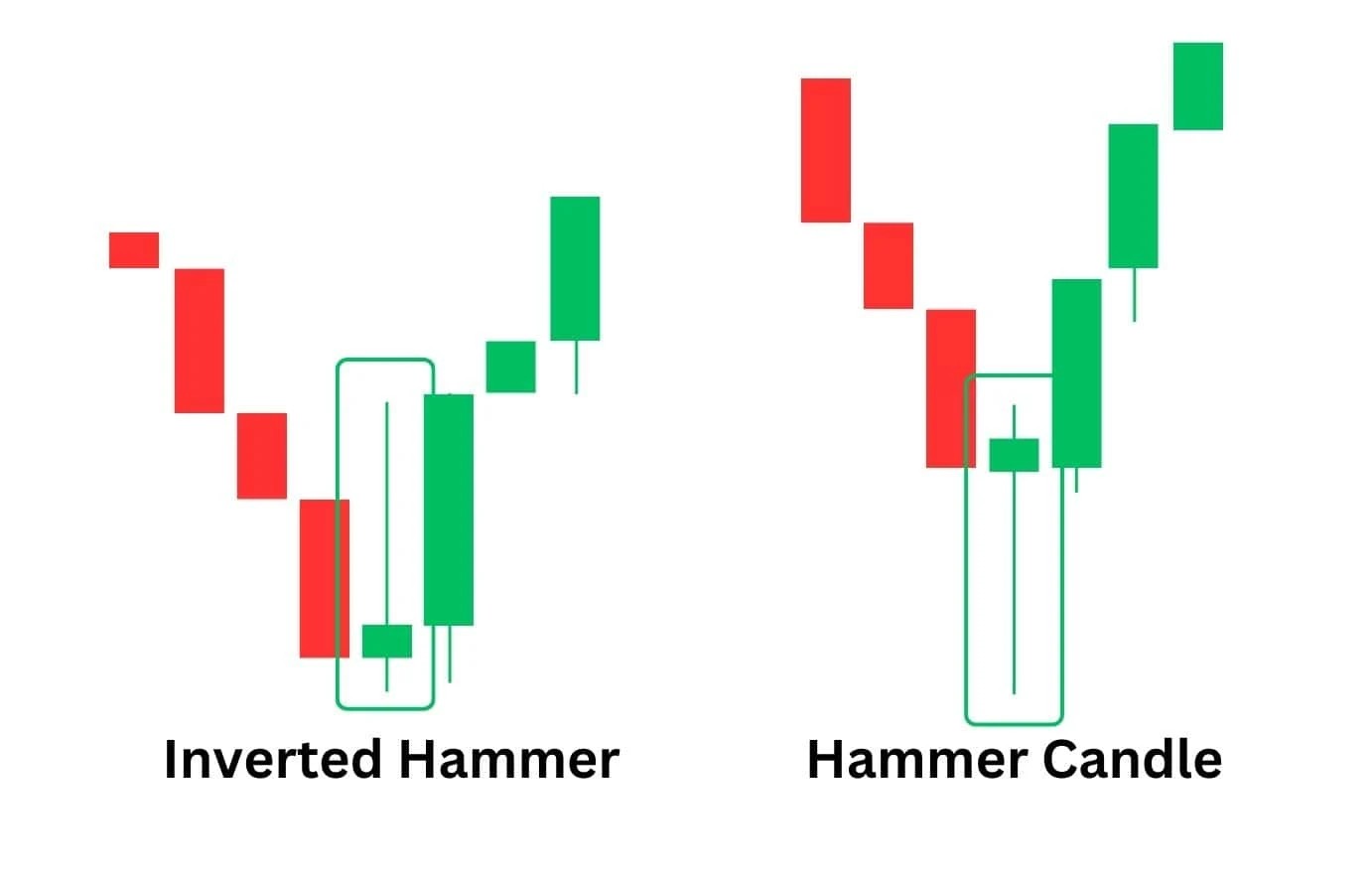
Hammer and inverted hammer. Many traders think hammers and inverted hammers are just reversal patterns, but what really matters is how they trap traders. A hammer at the bottom of a downtrend usually means large traders push the price down to trigger panic selling. If the next candle opens higher and stays above the wick, it shows bigger traders are buying up all the cheap sell orders before pushing the price higher. An inverted hammer at resistance works the same way in reverse: if the price briefly breaks higher but closes weak, experienced traders use this to sell to emotional buyers. The key isn’t just spotting the pattern but watching how the next candle reacts. This is where many traders get tricked into taking the wrong trade.
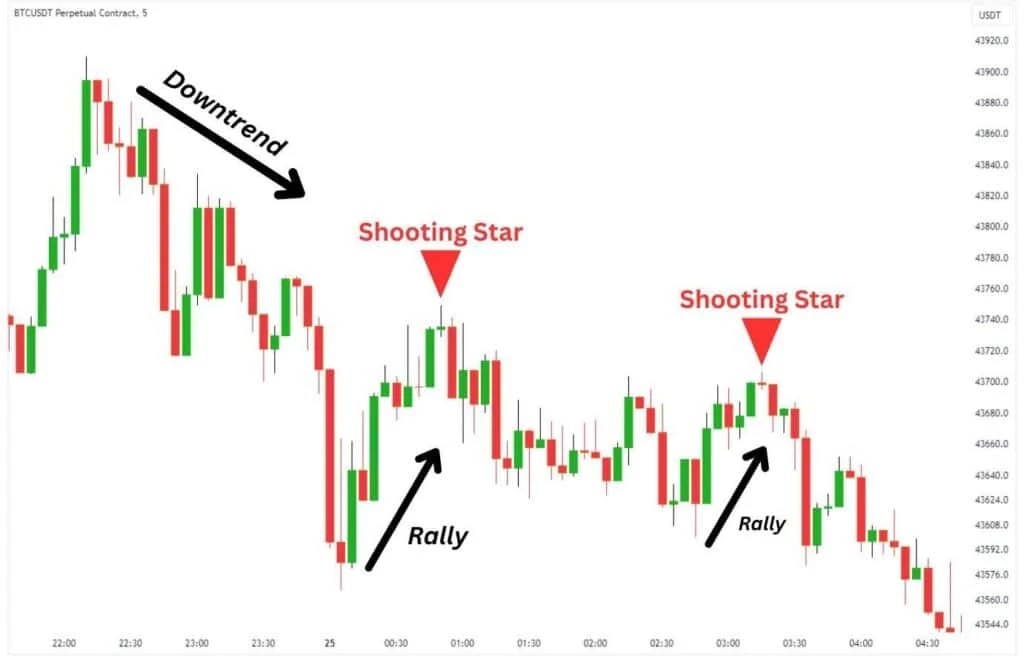
Shooting star. Many traders assume a shooting star is just a bearish reversal, but here’s the catch: the wick length shows who got trapped. If it’s long with a small body, buyers tried to push higher but got shut down by heavy selling. The key detail? Watch the next few candles. If price stays below the close, weak buyers are stuck, and a drop is likely. But if price retests the wick’s midpoint and holds, large traders could be scooping up orders, flipping the expected reversal into a trap.
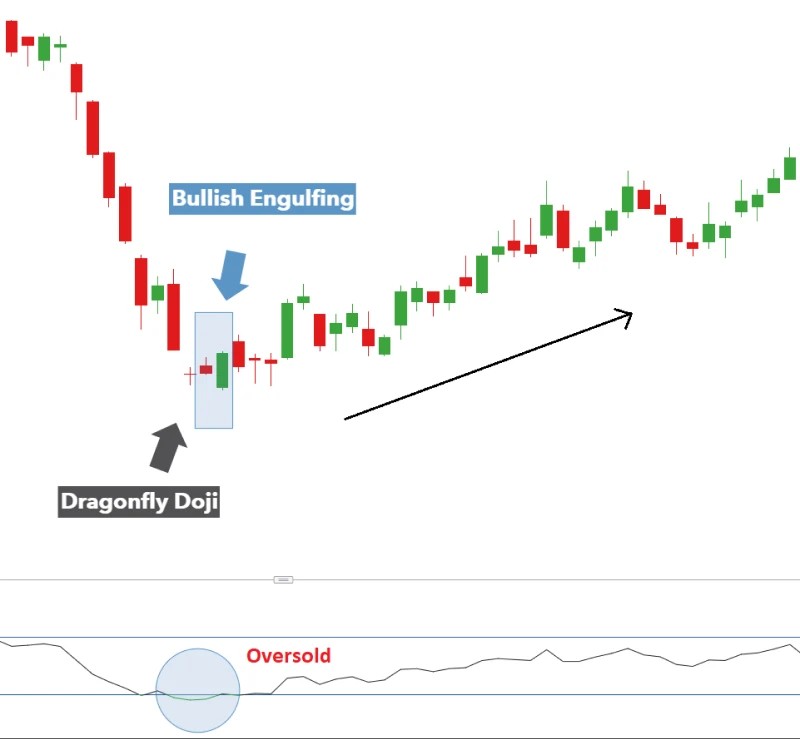
Engulfing pattern. Most traders think the engulfing pattern is just a basic reversal signal, but what really matters is why it happens. A bullish engulfing candle isn’t just a big green bar covering a red one – it’s about big players grabbing liquidity. They push the price below the previous candle’s low before buying up orders, forcing small traders to exit. The more dramatic the engulfing, the more traders get caught on the wrong side, fueling the next move. A strong engulfing setup only works well in key price zones where liquidity is stacked. Recognizing this helps traders in improving the next candle prediction for binary options trading.
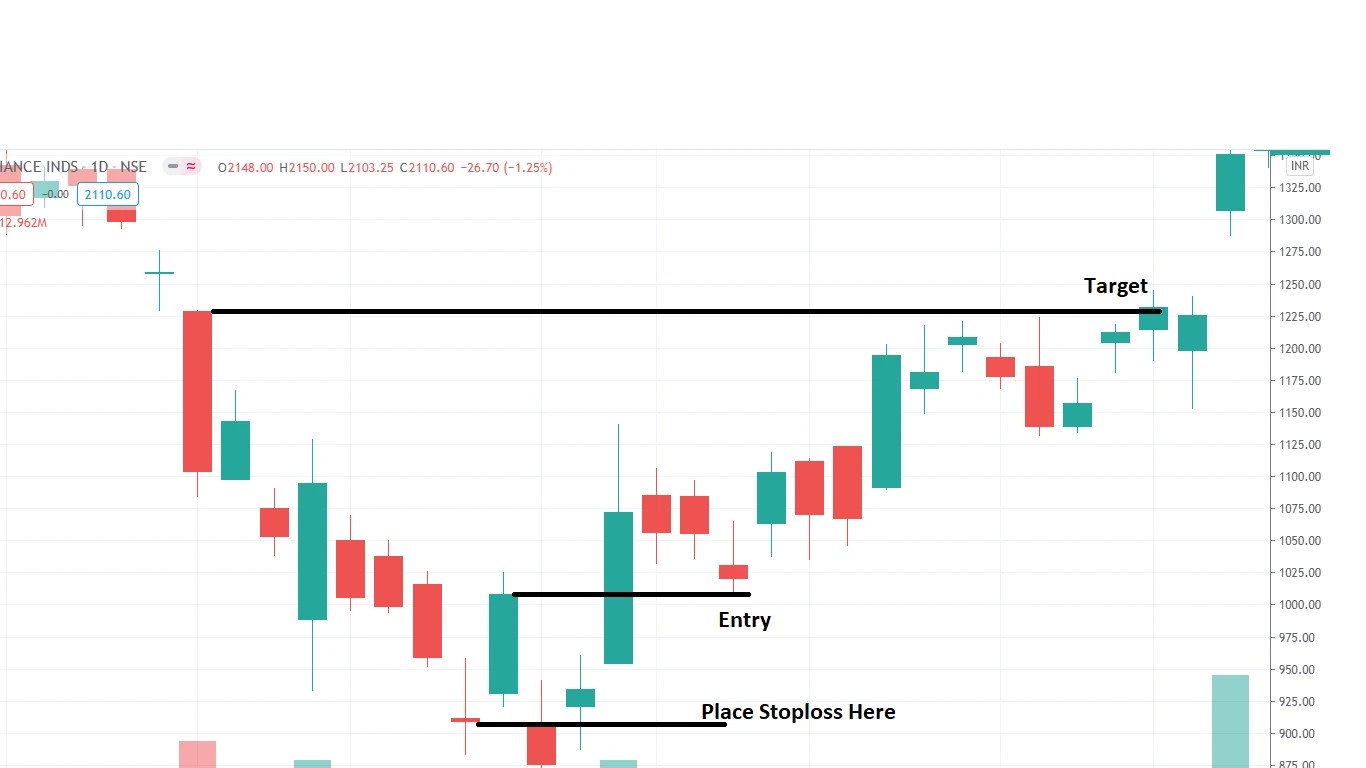
Morning and evening star. Most traders think the morning and evening star patterns are just signal reversals, but the real strength of these patterns is in where they appear. A morning star has more impact than one after a sudden fall, because it tells you sellers are fading out slowly, not just reacting to a dip. Similarly, an evening star works best when the market is slowly climbing with low volatility, as it catches buyers off guard. The second candle’s size isn’t just confirmation; if it’s tiny, traders are hesitating, making the last candle’s move even more important. Many overlook volume, but when a morningstar forms with high volume on the third candle, big traders are likely entering the market. This context supports stronger next candle prediction for binary options traders.

Using technical indicators
Technical indicators help traders confirm candlestick signals and improve accuracy in predicting candle direction. When combined with knowledge of predicting the next candlestick in binary trading, these tools give traders a structured way to confirm market setups before taking a position. Some commonly used indicators include:
Moving Averages (MA). Simple Moving Average (SMA) and Exponential Moving Average (EMA) identify trends. When the price is above the moving average, it suggests an uptrend, while a price below the moving average signals a downtrend.
Relative Strength Index (RSI). RSI measures market momentum. An RSI above 70 suggests overbought conditions, indicating a possible downtrend. An RSI below 30 indicates oversold conditions, suggesting a potential uptrend.
Bollinger Bands. These bands measure volatility and price levels. If the price touches the upper band, it may indicate an overbought condition. If the price touches the lower band, it may indicate an oversold condition. In binary options trading, combining Bollinger Band signals with candlestick confirmation can strengthen next candle prediction accuracy.
MACD (Moving Average Convergence Divergence). MACD identifies changes in momentum and trends. A bullish signal occurs when the MACD line crosses above the signal line. A bearish signal occurs when the MACD line crosses below the signal line. Understanding MACD crossovers in the context of binary trading helps traders filter false momentum shifts, which results in improvement of next candlestick prediction.
Analyzing market trends
Candlestick patterns give more clues than you think when you go beyond the basics. Here’s how to spot hidden market trends that many traders don’t notice.
Wicks reveal hidden battles. A long wick on both sides of a candle isn’t just indecision, it means big buyers and sellers are fighting for control. If these wicks keep appearing near a resistance level, it shows big players are offloading their positions while retail traders are still buying.
Gap rejections show smart money. When the market gaps up but quickly falls back, it’s not just a fake breakout. Big players create these gaps to bait small traders before pushing the price down. Watch for these gaps on lower volume, as they are usually traps.
Three-candle sequences matter more. Instead of looking at a single pattern, analyze the last three candles together. If a bullish candle follows two weak, slow-selling candles, it means sellers are giving up before buyers even step in. This sequence reading builds confidence in the next candle prediction for binary options traders who rely on behavioral price patterns.
Trendlines lie if you don’t adjust. Static trendlines fail when volatility spikes. Instead of relying on straight lines, adjust them based on recent wick extremes. This gives a clearer picture of where real liquidity is sitting and keeps you from falling for fake breakouts. Recognizing these shifts complements what traders learn while mastering how to predict the next candlestick in binary trading.
Time frame selection

Picking a time frame changes how you trade. It affects what you see on the chart and how you react. Here’s how to use time frames smartly. Selecting the right chart duration plays a big role in mastering how to predict the next candlestick in binary trading, since every time frame reveals a different layer of price action.
Lower time frames create illusions. A five-minute chart can make trends look explosive, but zooming out often shows a choppy market. Look at a bigger time frame to see if the trend is real or just short-term noise. Traders who rely on next candle prediction in binary options often misread noise as trend; aligning smaller and larger frames avoids this trap.
Higher time frames expose hidden traps. A breakout on a 15-minute chart might seem strong, but if it hits resistance on a daily chart, it’s likely to fail. Always check the bigger picture before jumping in.
Time frame alignment matters. If a one-hour chart shows a bullish trend, but the four-hour chart is bearish, you’re likely trading against the bigger flow. Trade with the dominant trend to avoid unnecessary losses.
Volume shifts across time frames. A sudden spike in volume on a five-minute chart means little if the higher time frame remains flat. Big money moves on larger time frames, so follow the action there. Understanding how volume behaves across charts adds depth to the next candlestick prediction, improving timing and overall binary trading.
For effective binary trading, we also recommend choosing a trusted broker. We suggest you familiarize yourself with the comparison table and find out the conditions of the best ones:
| CloseOption | Capitalcore | Nadex | Pocket Option | QUOTEX | |
|---|---|---|---|---|---|
|
Foundation year |
2013 | 2019 | 2009 | 2017 | 2019 |
|
Min. deposit |
5 | 10 | 250 | 5 | 10 |
|
Min. trade size |
1 | 1 | 1 | 1 | 1 |
|
Min. Payout (%) |
17 | 60 | No | 50 | 20 |
|
Max. Payout (%) |
95 | 90 | 100 | 128 | 98 |
|
Demo |
Yes | Yes | Yes | Yes | Yes |
|
Copy trading |
No | No | No | Yes | No |
|
Open an account |
Go to broker Your capital is at risk. |
Go to broker Your capital is at risk.
|
Study review | Go to broker Your capital is at risk. |
Go to broker Your capital is at risk. |
Risk management and strategy development
Most traders think risk management is just about stop losses, but the hardest part is controlling emotions and tweaking strategies as the market changes. Take your risk game to the next level with these insights. Strong risk control supports consistent results in predicting the next candlestick in binary trading, where timing and precision matter most.
Use dynamic position sizing. Instead of risking a fixed percentage, adjust your position size based on volatility. When markets are slow, you can risk more, but when they’re wild, keep positions small.
Think in risk units. Instead of measuring trades in dollars or percentages, use a fixed risk unit (like 1R) across all trades. This keeps losses steady and makes reviewing trades easier without second-guessing.
Trap liquidity, don’t follow it. Most traders chase momentum, but smart traders look for areas where stop losses pile up. That’s where big players set traps before flipping the price. Combining this liquidity logic with binary options analysis helps traders make more confident next candle calls.
Backtest failure, not success. Instead of only backtesting winning strategies, analyze losing trades to spot patterns in mistakes. If a strategy holds up against losing trades, it’s way stronger than one built on cherry-picked wins.
Big traders set traps using liquidity zones and session timing

Most traders focus too much on the last candlestick when predicting the next one, but what really matters is how liquidity zones and price traps come into play. Big players don’t just follow patterns, they set up traps. If a candlestick forms a long wick near a key level but doesn’t close above or below it, that’s not just indecision; it means big traders are collecting orders from retail traders. The next candle often moves in the opposite direction, catching breakout traders off guard. Instead of reacting to a pattern, watch for fake moves that trick traders into bad positions.
Another overlooked factor is candle timing and session influence. A strong bullish candle at the start of a session means something completely different from one appearing near the close. Big players push prices up early to attract traders, only to flip direction later. If the last candle closed near a high but the next session opens lower, it means buyers are trapped, so expect a fast reversal. Instead of treating every candlestick the same, tie candlestick moves to market sessions and trader positioning for better predictions.
Conclusion
Mastering the prediction of the next candlestick in binary trading hinges on combining the deep understanding of candlestick patterns with careful analysis of technical indicators and market trends. Traders who move beyond simply recognizing patterns—such as Doji or engulfing setups—and focus on the context of where and why they appear, position themselves for sharper, more reliable trade decisions. For instance, noting a hammer at the bottom of a downtrend or using RSI to confirm overbought conditions amplifies the accuracy of predictions. Ultimately, the secret lies in viewing market signals through the lens of both price action and smart money behavior, allowing traders to anticipate market traps and act with greater confidence and consistency.
FAQs
What common mistakes do traders make when interpreting candlestick patterns for binary trading?
How does volume analysis enhance the prediction of the next candlestick in binary trading?
Why is it important to analyze multiple candlesticks together rather than relying on single-candle patterns in binary trading?
How do market sessions influence candlestick behavior and prediction accuracy in binary trading?
Editors' Top Picks and Insights






Related Articles
Team that worked on the article
Anton Kharitonov is an active trader and analyst. He employs both short- and long-term trading strategies, primarily based on fundamental factors, supported by technical indicators and intermarket analysis.
Dan Blystone began his trading career in 1998 as an arbitrage clerk on the floor of the Chicago Mercantile Exchange (CME). He later traded bond and Eurex futures at proprietary firms such as Altea Trading, gaining valuable experience in high-frequency trading and risk management.
Chinmay Soni is a financial analyst with more than 5 years of experience in working with stocks, Forex, derivatives, and other assets. As a founder of a boutique research firm and an active researcher, he covers various industries and fields, providing insights backed by statistical data.
Binary options trading is a financial trading method where traders speculate on the price movement of various assets, such as stocks, currencies, or commodities, by predicting whether the price will rise or fall within a specified time frame, often as short as a few minutes. Unlike traditional trading, binary options have only two possible outcomes: a fixed payout if the trader's prediction is correct or a loss of the invested amount if the prediction is wrong.
Volatility refers to the degree of variation or fluctuation in the price or value of a financial asset, such as stocks, bonds, or cryptocurrencies, over a period of time. Higher volatility indicates that an asset's price is experiencing more significant and rapid price swings, while lower volatility suggests relatively stable and gradual price movements.
Index in trading is the measure of the performance of a group of stocks, which can include the assets and securities in it.
CFD is a contract between an investor/trader and seller that demonstrates that the trader will need to pay the price difference between the current value of the asset and its value at the time of contract to the seller.
Forex trading, short for foreign exchange trading, is the practice of buying and selling currencies in the global foreign exchange market with the aim of profiting from fluctuations in exchange rates. Traders speculate on whether one currency will rise or fall in value relative to another currency and make trading decisions accordingly. However, beware that trading carries risks, and you can lose your whole capital.

-
 Afghanistan
-
 Albania
-
 Algeria
-
 Angola
-
 Argentina
-
 Armenia
-
 Australia
-
 Austria
-
 Azerbaijan
-
 Bahamas
-
 Bahrain
-
 Bangladesh
-
 Belarus
-
 Belgium
-
 Bolivia
-
 Botswana
-
 Brazil
-
 Brunei
-
 Bulgaria
-
 Cambodia
-
 Cameroon
-
 Canada
-
 Chile
Chile
-
 China
China
-
 Colombia
-
 Congo
Congo
-
 Costa Rica
-
 Cote d'Ivoire
-
 Croatia
-
 Cuba
Cuba
-
 Cyprus
-
 Czechia
-
 DR Congo
-
 Denmark
-
 Dominican Republic
-
 Ecuador
-
 Egypt
Egypt
-
 El Salvador
-
 Estonia
-
 Eswatini
-
 Ethiopia
-
 Finland
-
 France
-
 Georgia
-
 Germany
-
 Ghana
Ghana
-
 Greece
-
 Haiti
Haiti
-
 Hong Kong
-
 Hungary
-
 India
India
-
 Indonesia
-
 Iran, Islamic republic
-
 Iraq
Iraq
-
 Ireland
-
 Israel
-
 Italy
Italy
-
 Jamaica
-
 Japan
Japan
-
 Jordan
-
 Kazakhstan
-
 Kenya
Kenya
-
 Korea
Korea
-
 Kuwait
-
 Kyrgyzstan
-
 Laos
Laos
-
 Latvia
-
 Lebanon
-
 Lesotho
-
 Libya
Libya
-
 Lithuania
-
 Luxembourg
-
 Madagascar
-
 Malaysia
-
 Malta
Malta
-
 Mauritius
-
 Mexico
-
 Moldova
-
 Mongolia
-
 Montenegro
-
 Morocco
-
 Mozambique
-
 Myanmar
-
 Namibia
-
 Nepal
Nepal
-
 Netherlands
-
 New Zealand
-
 Nigeria
-
 North Macedonia
-
 Norway
-
 Oman
Oman
-
 Pakistan
-
 Palestine
-
 Panama
-
 Papua New Guinea
-
 Paraguay
-
 Peru
Peru
-
 Philippines
-
 Poland
-
 Portugal
-
 Puerto Rico
-
 Qatar
Qatar
-
 Reunion
-
 Romania
-
 Rwanda
-
 Saudi Arabia
-
 Serbia
-
 Singapore
-
 Slovakia
-
 Slovenia
-
 Somalia
-
 South Africa
-
 Spain
Spain
-
 Sri Lanka
-
 Sweden
-
 Switzerland
-
 Syria
Syria
-
 Taiwan
-
 Tajikistan
-
 Tanzania
-
 Thailand
-
 Trinidad and Tobago
-
 Tunisia
-
 Turkey
-
 UAE
UAE
-
 Uganda
-
 Ukraine
-
 United Kingdom
-
United States
-
 Uruguay
-
 Uzbekistan
-
 Venezuela
-
 Vietnam
-
 Yemen
Yemen
-
 Zambia
-
 Zimbabwe
- Forex
- Crypto












