
How Many Months Does it Take to Learn Forex?


Editorial Note: While we adhere to strict Editorial Integrity, this post may contain references to products from our partners. Here's an explanation for How We Make Money. None of the data and information on this webpage constitutes investment advice according to our Disclaimer.
How many months does it take to learn Forex:
Month 1-2: Basic concepts and terminology, starting with technical and fundamental analysis.
Month 3-4: Developing a trading plan, practicing on demo accounts, and starting to test strategies.
Month 5-6: Refining strategies, gaining confidence in demo trading, and preparing for live trading.
Month 7-12: Transitioning to live trading with small amounts, continuous learning, and adaptation based on performance
The time it takes to learn Forex trading varies widely among individuals and is influenced by several factors, including prior financial knowledge, dedication, learning resources, and market conditions. This article explores how long it typically takes to learn Forex trading, along with tips and strategies to expedite the learning process and develop a winning trading strategy.
How many months does it take to learn Forex?
The Forex market is the largest financial market in the world, with a daily trading volume exceeding $7.5 trillion. Understanding the basics of Forex trading, such as currency pairs, pips, and leverage, is crucial for anyone looking to enter this field.
Understanding the learning curve for Forex trading
Initial Phase: 1-3 Months
1. Basic Knowledge and Terminology
Time Frame: 1-2 weeks
Content:
Understanding Forex Terminology: Learn what pips, lots, leverage, margin, bid-ask spread, and other basic terms mean. These are fundamental for interpreting market information.
Basics of Currency Pairs: Understand how currency pairs are quoted and the significance of the base and quote currency (e.g., in EUR/USD, EUR is the base currency and USD is the quote currency).
Market Operation: Gain insights into how the Forex market operates, including trading sessions (e.g., London, New York, Tokyo) and the major players in the market (e.g., banks, hedge funds, retail traders).
Resources:
Online Tutorials: Websites like Traders Union provide comprehensive guides for beginners.
Free Courses: Platforms like Coursera and Udemy offer free introductory courses on Forex trading.

2. Market Analysis Fundamentals
Time Frame: 1-2 months
Content:
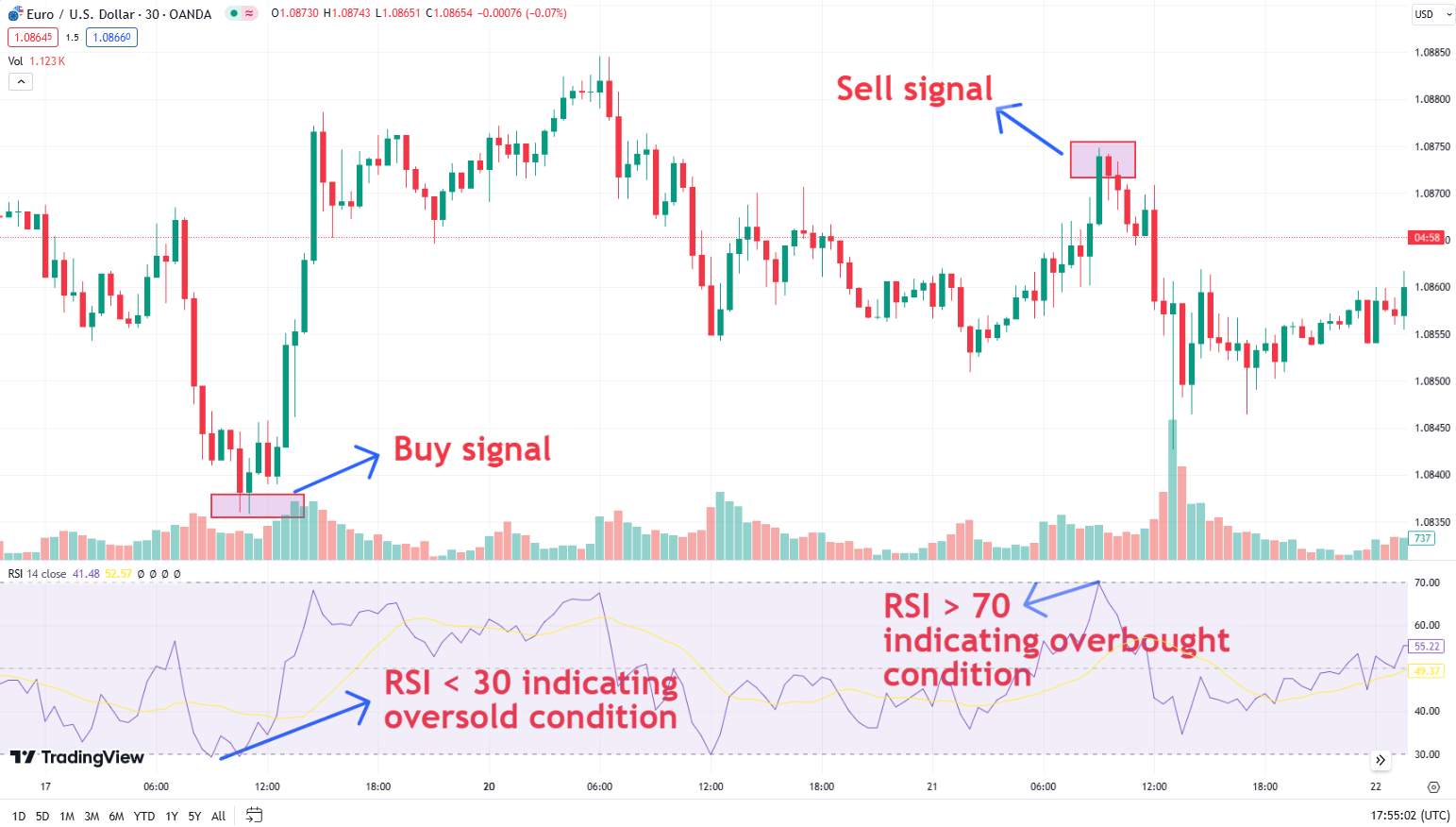
Technical Analysis: Learn to read charts, understand support and resistance levels, and use indicators like moving averages, RSI, and MACD. Technical analysis helps predict future price movements based on past data.
Fundamental Analysis: Understand economic indicators such as GDP, unemployment rates, inflation, and central bank policies. These factors can influence currency values.
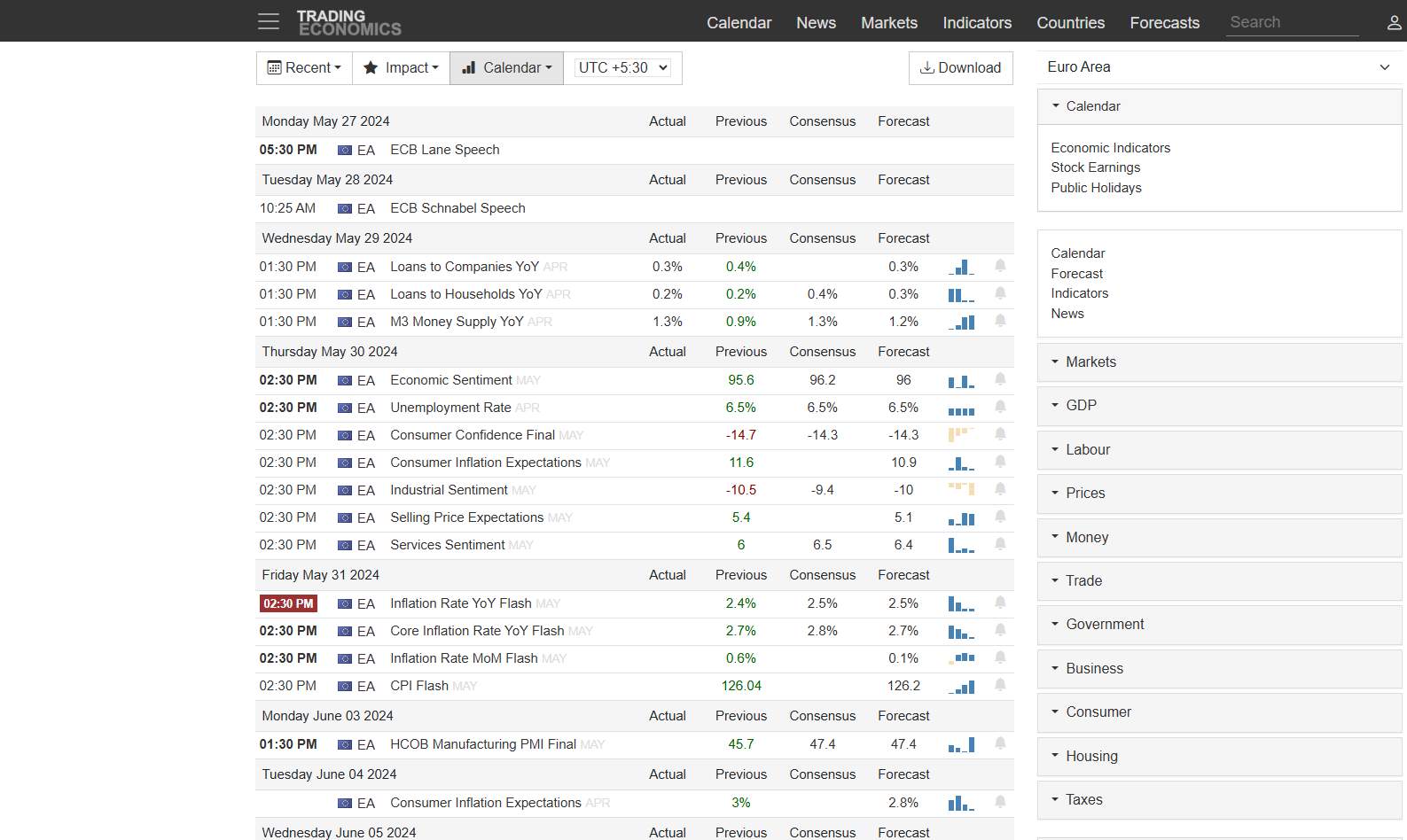
News Impact: Learn how news events, such as economic reports and geopolitical events, affect currency prices. Tools like the economic calendar on Forex Factory can be invaluable.

Resources:
Educational Websites: Traders Union, Udemy
YouTube Channels: Traders Union, Trading 212, ForexSignals TV.
Books: "Technical Analysis of the Financial Markets" by John Murphy, "Currency Trading for Dummies" by Kathleen Brooks and Brian Dolan.
Example:
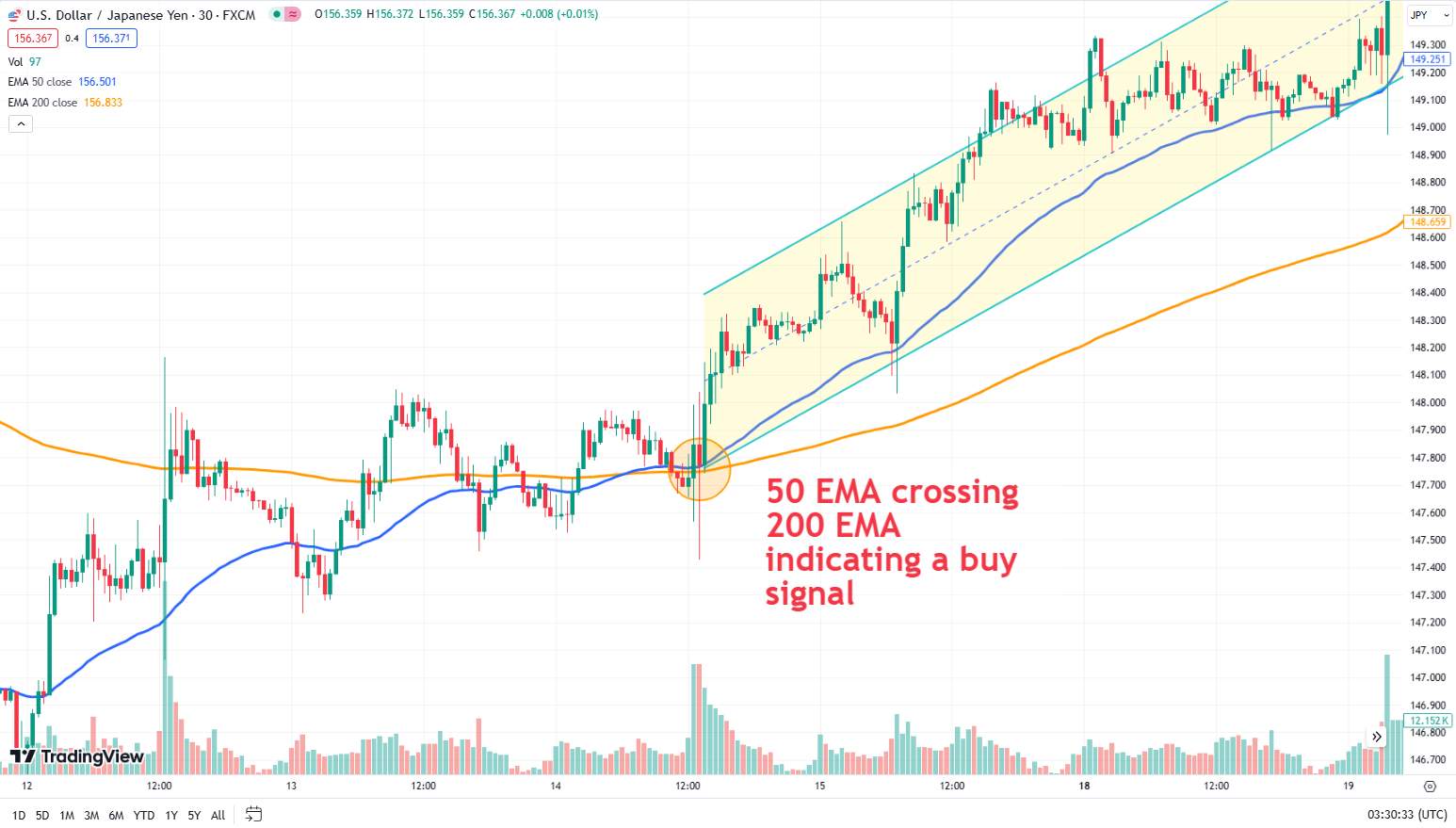
Using Moving Averages: If the 50-day moving average crosses above the 200-day moving average, it could indicate a bullish trend (Golden Cross).
Intermediate Phase: 3-6 Months
1. Developing a Trading Plan
Time Frame: 1-2 months
Content:
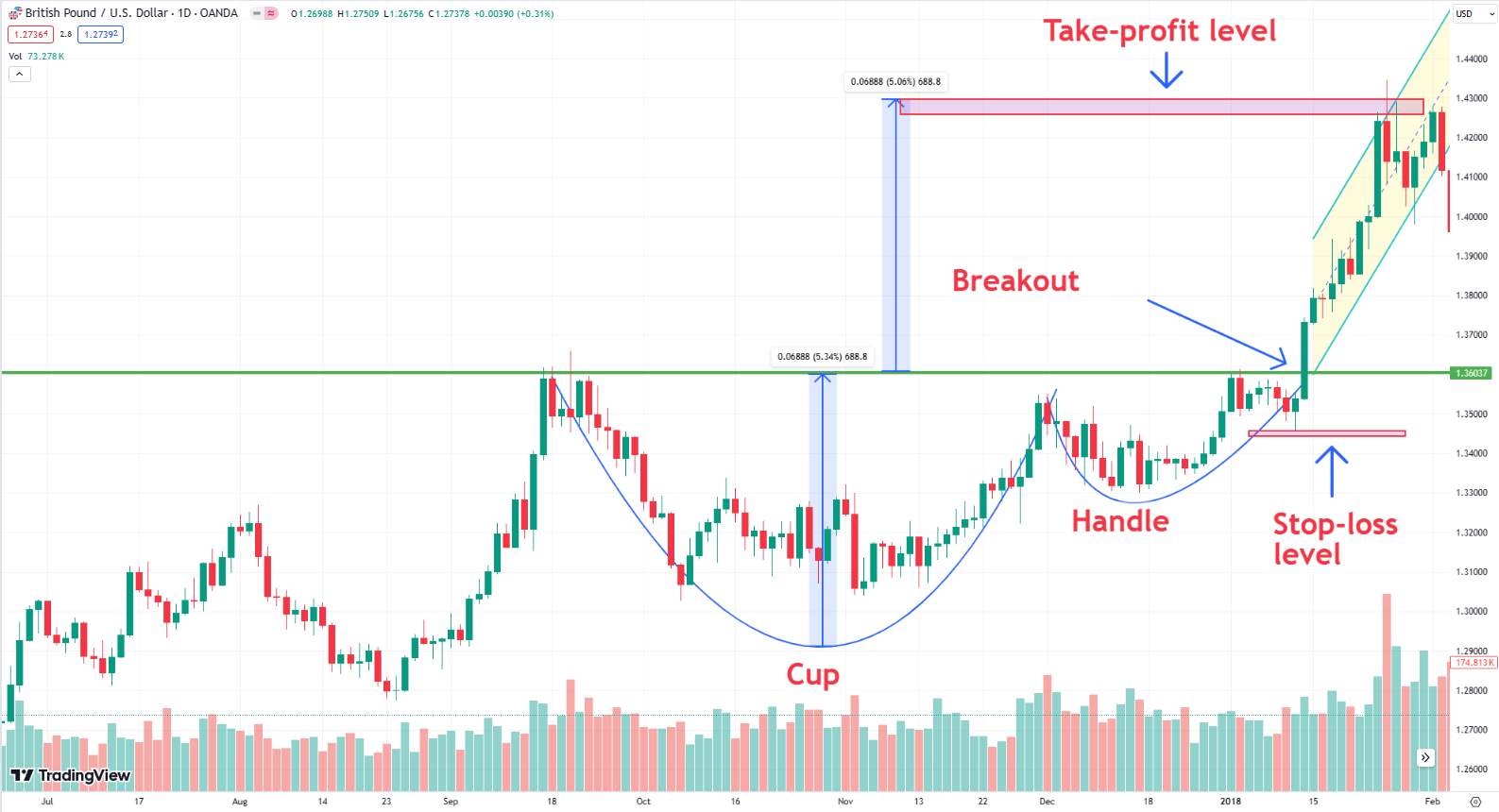
Risk Management: Learn to set stop-loss and take-profit orders. Risk no more than 1-2% of your trading capital on a single trade.
Entry and Exit Rules: Define clear criteria for entering and exiting trades. This could be based on technical indicators, fundamental news, or a combination of both.
Position Sizing: Determine the appropriate position size for each trade based on your risk tolerance and the size of your trading account
Resources:
Trading Courses: Courses from websites like Forex School Online and Udemy.
Mentorship Programs: Join mentorship programs offered by experienced traders.
Webinars: Participate in webinars hosted by Forex trading platforms.
Example:
Trading Plan: A plan might include only trading EUR/USD during the London session, using a combination of RSI and MACD for entry signals, and setting a stop-loss at 20 pips.
2. Practice and Simulation
Time Frame: 2-4 months
Content:
Demo Accounts: Use demo accounts to practice trading without risking real money. This helps in gaining practical experience and testing your trading plan in a risk-free environment.
Simulation Tools: Use tools that simulate real market conditions to practice trading strategies.
Resources:
Demo Accounts: Available from many online trading platforms
Simulated Trading Platforms: Websites like TradingView provide simulation features.
Example:
Demo Trading: Practicing on a demo account by placing trades based on a news release about the Eurozone GDP growth rate, observing how the market reacts.
Advanced Phase: 6-12 Months
1. Live Trading Experience
Time Frame: 6-12 months
Content:
Transitioning to Live Trading: Start trading with real money, beginning with small amounts to manage risk.
Emotion Management: Develop strategies to manage emotions such as fear and greed, which can affect trading decisions.
Trading Journal: Maintain a trading journal to record trades, the rationale behind them, and the outcomes. This helps in identifying patterns and improving strategies.
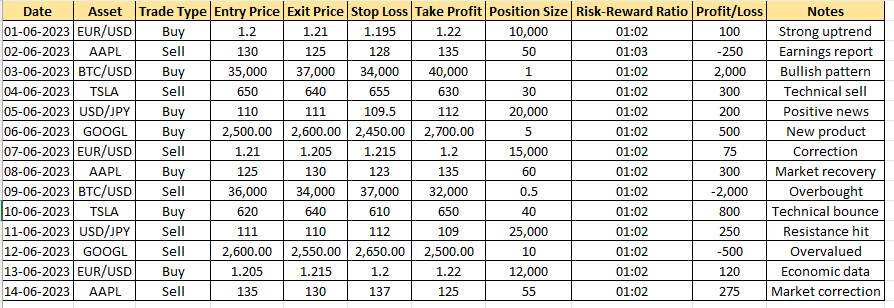
Resources:
Low-Stakes Trading Accounts: Start with micro or mini accounts offered by brokers like Forex.com.
Trading Journals: Use tools like MyFxBook or a simple spreadsheet.
Example:
Live Trading: Starting with a $500 account, risking $5 per trade, and meticulously recording each trade's entry and exit points in a journal.
2. Continuous Learning and Adaptation
Content:
Stay Updated: Regularly read financial news, follow market trends, and be aware of new trading strategies.
Adapt Strategies: Continuously refine your trading strategies based on market conditions and your trading performance.
Resources:
Advanced Courses: Enroll in advanced trading courses offered by institutions like the London Academy of Trading.
Forums: Participate in trading forums like Forex Factory and Elite Trader.
Financial News Outlets: Subscribe to Bloomberg, Reuters, and CNBC.
Example:
Adapting to Market Conditions: Adjusting trading strategies during periods of high volatility, such as central bank announcements, to minimize risk.
Considerations for beginners
For beginners, the first steps involve choosing a reliable broker, setting up a trading account, and familiarizing oneself with the trading platform. It's crucial to select a regulated broker to ensure the safety of your funds.
Checklist for starting Forex trading:
Choose a regulated broker. Ensure the broker is licensed by a reputable regulatory authority.
| Demo | Min. deposit, $ | Max. leverage | Min Spread EUR/USD, pips | Max Spread EUR/USD, pips | Open account | |
|---|---|---|---|---|---|---|
| Yes | 50 | 1:50 | 0.9 | No | Go to broker Your capital is at risk. |
|
| Yes | 100 | 1:300 | 0.5 | 0.9 | Go to broker 81% of retail CFD accounts lose money. |
|
| Yes | No | 1:200 | 0.1 | 0.5 | Go to broker Your capital is at risk. |
|
| Yes | 100 | 1:50 | 0.7 | 1.2 | Study review | |
| Yes | 1 | 1:200 | 0.6 | 1.2 | Study review |
Set up a trading account. Open a demo account for practice before transitioning to a live account.
Learn the trading platform. Spend time understanding the features and tools available on the trading platform.
Numerous resources can help beginners build a strong foundation in Forex trading. Recommended books include "Currency Trading for Dummies" by Kathleen Brooks and Brian Dolan and "The Little Book of Currency Trading" by Kathy Lien. Varios finance podcasts offer a convenient way to learn about budgeting, investing, debt management, and building wealth. Also websites like Traders Union offer comprehensive guides and tutorials.
Risks and warnings
Market volatility
Forex markets are highly volatile, which can lead to significant gains or losses. Implementing risk management strategies is essential to mitigate potential losses.
Historical examples of market volatility:
GameStop Short Squeeze (2021). Retail investors coordinated on platforms like Reddit to drive up the price of GameStop stock, targeting hedge funds with significant short positions. This event caused significant volatility in the stock market and had ripple effects in the Forex market, as the unwinding of positions affected liquidity and risk appetite across various asset classes.
Evergrande Debt Crisis (2021). The financial troubles of Chinese property developer Evergrande. Concerns over Evergrande's potential default led to increased risk aversion, affecting global markets. The Chinese yuan and currencies of countries with significant trade exposure to China experienced heightened volatility.
Russia-Ukraine War (2022). The escalation of military conflict into a full-scale war between Russia and Ukraine. The geopolitical tensions and resulting economic sanctions caused significant fluctuations in the Forex market, particularly affecting the Russian ruble and European currencies such as the euro and the Polish zloty.
Bank of Japan Monetary Policy (2023-2024): The Bank of Japan's interventions and policies aimed at controlling the yen's depreciation caused significant volatility. Traders had to navigate unpredictable market behavior as the central bank frequently intervened to stabilize the currency.
LATAM Currencies Surge (2023): In 2023, several Latin American currencies, such as the Colombian peso and the Mexican peso, saw substantial gains due to favorable economic conditions and interest rate differentials. The Colombian peso gained 36%, while the Mexican peso rose by 27% year-to-date, creating trading opportunities amidst the volatility.
Regulatory risks
The regulatory environment for Forex trading varies by region and can change rapidly. Trading with regulated brokers and staying informed about regulatory changes is crucial.
| Region | Regulatory authority | Key points |
|---|---|---|
USA | Commodity Futures Trading Commission (CFTC) | Strict regulations, limited leverage |
UK | Financial Conduct Authority (FCA) | Strong regulatory framework, protection for retail traders |
EU | European Securities and Markets Authority (ESMA) | Standardized regulations across member states, reduced leverage |
Security risks
Securing Forex trading accounts against fraud and scams is essential. Using two-factor authentication, secure passwords, and being aware of phishing attempts are best practices.
Best practices for securing Forex trading accounts:
Use two-factor authentication. Adds an extra layer of security to your account.
Secure passwords. Use strong, unique passwords for your trading accounts.
Be aware of phishing. Do not click on suspicious links or provide personal information to unverified sources.
Expert opinion

While you can grasp the basics in a few months, achieving consistent profitability takes longer. So, don't hesitate.
To learn quickly and start trading effectively, immerse yourself in the basics. Understand currency pairs, leverage, pips, and spreads through reading, tutorials, and practicing on a demo account. Developing a solid trading plan is crucial; outline your goals, risk tolerance, and strategies to stay focused and disciplined. Seeking mentorship or joining a trading community can provide valuable insights from experienced traders. Staying consistent is key — dedicate regular time to studying market trends, practicing trading, and reviewing your trades to build confidence.
Additionally, the psychological aspect of trading cannot be underestimated. Develop a strong mental framework to handle the emotional ups and downs of trading. Staying informed about global economic news and events that impact the Forex market will also help you make more informed decisions.
Try to start trading with small amounts to manage risk effectively and avoid wasting time. This approach will help you build a solid foundation without exposing yourself to significant losses.
Conclusion
Learning Forex trading takes time, effort, and ongoing study. While the basics can be understood in a few months, becoming consistently successful takes longer. Focus on mastering the basics, creating a clear trading plan, and getting guidance from experienced traders. Regularly studying market patterns and practicing trading are important. Managing emotions helps handle market changes.
Join trading groups and stay updated on global news to make better decisions. With effort and continuous study, you can find success in the Forex market over time. Be patient, stay committed, and keep working towards your goals.
FAQs
How long should I practice on a demo account before trading live?
It's advisable to practice on a demo account for at least 3 to 6 months to develop your strategy and gain confidence without risking real money.
Do I need to use a trading journal?
Yes, maintaining a trading journal helps you track your trades, analyze your performance, and improve your trading strategy over time.
Is it necessary to learn technical analysis to trade Forex successfully?
While not strictly necessary, learning technical analysis can significantly improve your trading decisions by helping you identify trends and entry/exit points.
What should I do if I experience significant losses in Forex trading?
If you experience significant losses, take a step back to analyze your trading strategy, review your risk management practices, and consider seeking advice from more experienced traders or mentors.
Editors' Top Picks and Insights





Related Articles
Team that worked on the article
Parshwa is a content expert and finance professional possessing deep knowledge of stock and options trading, technical and fundamental analysis, and equity research. As a Chartered Accountant Finalist, Parshwa also has expertise in Forex, crypto trading, and personal taxation.
Chinmay Soni is a financial analyst with more than 5 years of experience in working with stocks, Forex, derivatives, and other assets. As a founder of a boutique research firm and an active researcher, he covers various industries and fields, providing insights backed by statistical data.
Mirjan Hipolito is a journalist and news editor at Traders Union. She is an expert crypto writer with five years of experience in the financial markets.
Social trading is a form of online trading that allows individual traders to observe and replicate the trading strategies of more experienced and successful traders. It combines elements of social networking and financial trading, enabling traders to connect, share, and follow each other's trades on trading platforms.
Take-Profit order is a type of trading order that instructs a broker to close a position once the market reaches a specified profit level.
The CFTC protects the public from fraud, manipulation, and abusive practices related to the sale of commodity and financial futures and options, and to fosters open, competitive, and financially sound futures and option markets.
Cryptocurrency is a type of digital or virtual currency that relies on cryptography for security. Unlike traditional currencies issued by governments (fiat currencies), cryptocurrencies operate on decentralized networks, typically based on blockchain technology.
The yuan (CNY) is the official currency of the People's Republic of China. The yuan is divided into 10 jiao, which are further divided into 10 fen.

-
 Afghanistan
-
 Albania
-
 Algeria
-
 Angola
-
 Argentina
-
 Armenia
-
 Australia
-
 Austria
-
 Azerbaijan
-
 Bahamas
-
 Bahrain
-
 Bangladesh
-
 Belarus
-
 Belgium
-
 Bolivia
-
 Botswana
-
 Brazil
-
 Brunei
-
 Bulgaria
-
 Cambodia
-
 Cameroon
-
 Canada
-
 Chile
Chile
-
 China
China
-
 Colombia
-
 Congo
Congo
-
 Costa Rica
-
 Cote d'Ivoire
-
 Croatia
-
 Cuba
Cuba
-
 Cyprus
-
 Czechia
-
 DR Congo
-
 Denmark
-
 Dominican Republic
-
 Ecuador
-
 Egypt
Egypt
-
 El Salvador
-
 Estonia
-
 Eswatini
-
 Ethiopia
-
 Finland
-
 France
-
 Georgia
-
 Germany
-
 Ghana
Ghana
-
 Greece
-
 Haiti
Haiti
-
 Hong Kong
-
 Hungary
-
 India
India
-
 Indonesia
-
 Iran, Islamic republic
-
 Iraq
Iraq
-
 Ireland
-
 Israel
-
 Italy
Italy
-
 Jamaica
-
 Japan
Japan
-
 Jordan
-
 Kazakhstan
-
 Kenya
Kenya
-
 Korea
Korea
-
 Kuwait
-
 Kyrgyzstan
-
 Laos
Laos
-
 Latvia
-
 Lebanon
-
 Lesotho
-
 Libya
Libya
-
 Lithuania
-
 Luxembourg
-
 Madagascar
-
 Malaysia
-
 Malta
Malta
-
 Mauritius
-
 Mexico
-
 Moldova
-
 Mongolia
-
 Montenegro
-
 Morocco
-
 Mozambique
-
 Myanmar
-
 Namibia
-
 Nepal
Nepal
-
 Netherlands
-
 New Zealand
-
 Nigeria
-
 North Macedonia
-
 Norway
-
 Oman
Oman
-
 Pakistan
-
 Palestine
-
 Panama
-
 Papua New Guinea
-
 Paraguay
-
 Peru
Peru
-
 Philippines
-
 Poland
-
 Portugal
-
 Puerto Rico
-
 Qatar
Qatar
-
 Reunion
-
 Romania
-
 Rwanda
-
 Saudi Arabia
-
 Serbia
-
 Singapore
-
 Slovakia
-
 Slovenia
-
 Somalia
-
 South Africa
-
 Spain
Spain
-
 Sri Lanka
-
 Sweden
-
 Switzerland
-
 Syria
Syria
-
 Taiwan
-
 Tajikistan
-
 Tanzania
-
 Thailand
-
 Trinidad and Tobago
-
 Tunisia
-
 Turkey
-
 UAE
UAE
-
 Uganda
-
 Ukraine
-
 United Kingdom
-
United States
-
 Uruguay
-
 Uzbekistan
-
 Venezuela
-
 Vietnam
-
 Yemen
Yemen
-
 Zambia
-
 Zimbabwe
- Forex
- Crypto












