

Updating the MSME trade receivables financing framework in India, the Reserve Bank of India has issued the final guidelines for the Trade Receivables Discounting System, 2026. These rules come into effect after reviewing public feedback on the draft and provide regulatory clarity and operational flexibility for TReDS operators.
Highlights
- The Reserve Bank of India has issued the final guidelines for TReDS on April 8, 2026, incorporating the suggestions received on the draft guidelines.
- The final guidelines have removed the due diligence requirement for MSME sellers and revised the capital requirements for TReDS operators.
- With the immediate implementation of the new guidelines, the clarity and accessibility of platform-based financing for MSMEs will increase, and the compliance framework will also become clearer.
This article was translated from the original. Read the original version by our correspondent here.
Regulatory Changes in the TReDS Framework
According to the press release from the Reserve Bank of India, the central bank released the draft guidelines for the Trade Receivables Discounting System, 2026 for public comments on April 8, 2026, and has incorporated the received suggestions into the final version. The draft included proposals such as streamlining and harmonizing the existing regulatory framework for TReDS, removing the mandatory due diligence requirement for MSME sellers, and revising the capital requirements applicable to TReDS operators.The final guidelines set out the necessary conditions for the efficient operation of TReDS. At the same time, authorized entities are given flexibility to determine operational and procedural guidelines in line with the existing regulatory framework.
Impact on MSME Financing and the Fintech Sector
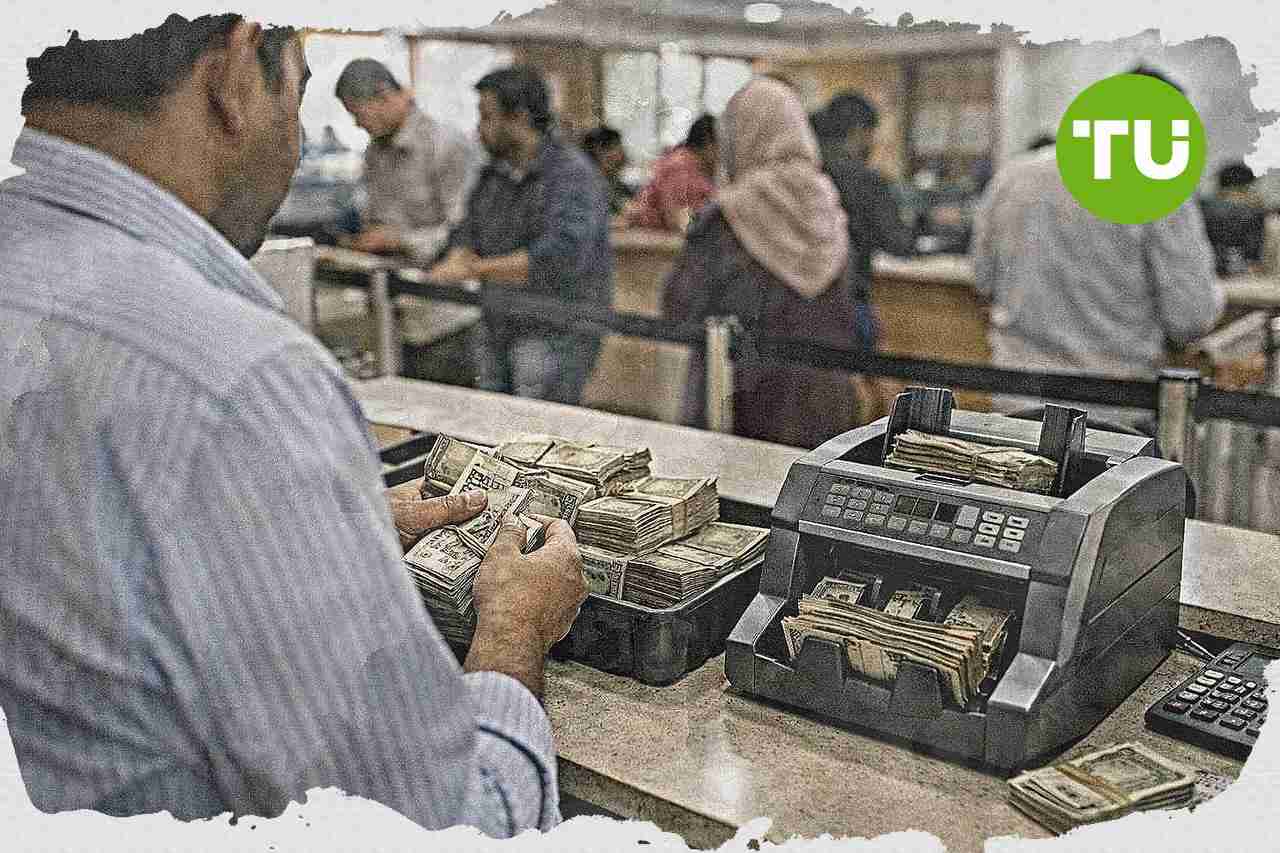
With these guidelines coming into immediate effect, greater clarity is expected in the operation of MSME receivables discounting platforms, unless otherwise specified elsewhere in the document. The relaxation of due diligence requirements and harmonization of the regulatory framework could positively impact the participation of small enterprises and the reach of platform-based financing.TReDS is a key mechanism for providing working capital to the MSME sector within India’s trade payment system. The revision of capital requirements and operational standards makes the compliance framework clearer for authorized entities operating in this segment, while regulatory oversight remains intact.
Our earlier report discussed the decline in growth of India’s eight major core industries to 0.5% in May 2025 and attributed this mainly to contractions in coal, crude oil, natural gas, refinery products, and fertilizer production. The report also noted that despite strong growth in electricity, cement, and steel, weakness in energy and petro-based segments could put pressure on industrial momentum—which may, in turn, affect business cash flows and working capital needs.





Latest Reserve Bank of India News








-
 Afghanistan
-
 Albania
-
 Algeria
-
 Angola
-
 Argentina
-
 Armenia
-
 Australia
-
 Austria
-
 Azerbaijan
-
 Bahamas
-
 Bahrain
-
 Bangladesh
-
 Belarus
-
 Belgium
-
 Bolivia
-
 Botswana
-
 Brazil
-
 Brunei
-
 Bulgaria
-
 Cambodia
-
 Cameroon
-
 Canada
-
 Chile
Chile
-
 China
China
-
 Colombia
-
 Congo
Congo
-
 Costa Rica
-
 Cote d'Ivoire
-
 Croatia
-
 Cuba
Cuba
-
 Cyprus
-
 Czechia
-
 DR Congo
-
 Denmark
-
 Dominican Republic
-
 Ecuador
-
 Egypt
Egypt
-
 El Salvador
-
 Estonia
-
 Eswatini
-
 Ethiopia
-
 Finland
-
 France
-
 Georgia
-
 Germany
-
 Ghana
Ghana
-
 Greece
-
 Haiti
Haiti
-
 Hong Kong
-
 Hungary
-
 India
India
-
 Indonesia
-
 Iran, Islamic republic
-
 Iraq
Iraq
-
 Ireland
-
 Israel
-
 Italy
Italy
-
 Jamaica
-
 Japan
Japan
-
 Jordan
-
 Kazakhstan
-
 Kenya
Kenya
-
 Korea
Korea
-
 Kuwait
-
 Kyrgyzstan
-
 Laos
Laos
-
 Latvia
-
 Lebanon
-
 Lesotho
-
 Libya
Libya
-
 Lithuania
-
 Luxembourg
-
 Madagascar
-
 Malaysia
-
 Malta
Malta
-
 Mauritius
-
 Mexico
-
 Moldova
-
 Mongolia
-
 Montenegro
-
 Morocco
-
 Mozambique
-
 Myanmar
-
 Namibia
-
 Nepal
Nepal
-
 Netherlands
-
 New Zealand
-
 Nigeria
-
 North Macedonia
-
 Norway
-
 Oman
Oman
-
 Pakistan
-
 Palestine
-
 Panama
-
 Papua New Guinea
-
 Paraguay
-
 Peru
Peru
-
 Philippines
-
 Poland
-
 Portugal
-
 Puerto Rico
-
 Qatar
Qatar
-
 Reunion
-
 Romania
-
 Rwanda
-
 Saudi Arabia
-
 Serbia
-
 Singapore
-
 Slovakia
-
 Slovenia
-
 Somalia
-
 South Africa
-
 Spain
Spain
-
 Sri Lanka
-
 Sweden
-
 Switzerland
-
 Syria
Syria
-
 Taiwan
-
 Tajikistan
-
 Tanzania
-
 Thailand
-
 Trinidad and Tobago
-
 Tunisia
-
 Turkey
-
 UAE
UAE
-
 Uganda
-
 Ukraine
-
 United Kingdom
-
United States
-
 Uruguay
-
 Uzbekistan
-
 Venezuela
-
 Vietnam
-
 Yemen
Yemen
-
 Zambia
-
 Zimbabwe
- Forex
- Crypto











