The tweet was deleted by the author.
But we saved everything 🙂.

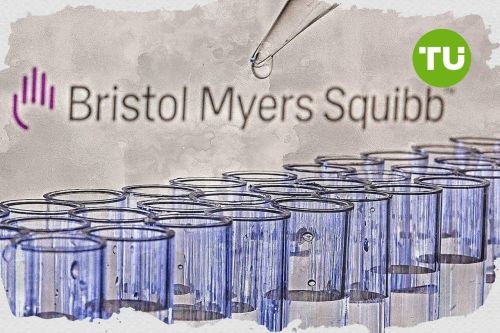
Bristol-Myers Squibb presented new clinical and real-world data in symptomatic obstructive hypertrophic cardiomyopathy at ACC26.
The company stated these data build on its research. Results show outcomes across diverse patient populations.
Bristol-Myers Squibb (BMY) is trading at $59.43, below the SMA-20 ($59.76) but above both the SMA-50 ($58.72) and the SMA-200 ($50.57), which signals continued medium- and long-term bullish momentum despite slight short-term resistance. The Ichimoku Kijun level on D1 is $59.67, which stands just above the current price and acts as immediate resistance; near-term support is at the SMA-50 ($58.72), and key support is at the SMA-200 ($50.57), while immediate resistance is at the Kijun ($59.67) and key resistance at the SMA-20 ($59.76).
Momentum signals on D1 are mixed: ADX shows a modest uptrend, but the MACD suggests mild short-term selling pressure. RSI is neutral-bullish at 51.7, while Stoch RSI and BBP both flag overbought conditions, indicating increased buyer dominance and a potential for near-term pullback. CCI and the AO both read neutral, highlighting diverging signals across oscillators. Over the past week, BMY has risen $1.95 (3.39%) from a previous close of $57.48, now standing at the very top of the weekly range after a steady advance. Weekly volatility stands at 5.4%, and the tone shows strength, with price stretching toward weekly resistance levels.
Looking ahead, the expected trading range for the next week is $58.20 to $60.80, placing the forecast near the upper third of the 52-week range and well above the annual low of $42.52 but below the high of $62.89. Given all weekly indicators—RSI, ADX, MACD, and MA-50—are bullish, the probability of a price increase is very high (more than 80%), while a decrease is less likely. The baseline scenario is for BMY to consolidate in a sideways band around current levels. A bullish move would see a sustained break above $59.76–$59.67, potentially targeting the high end of the forecast range. A bearish reversal would require a break below $58.72, exposing support near $58.20, but prevailing momentum and higher timeframe indicators suggest downside is limited for now.
Previously it was reported that Bristol Myers Squibb received regulatory approval for its immunotherapy combinations targeting classical Hodgkin lymphoma. Investors should now focus on any upcoming developments in the oncology segment, as breakthrough therapies remain a crucial driver for the company’s long-term growth narrative.

 Afghanistan
 Albania
 Algeria
 Angola
 Argentina
 Armenia
 Australia
 Austria
 Azerbaijan
 Bahamas
 Bahrain
 Bangladesh
 Belarus
 Belgium
 Bolivia
 Botswana
 Brazil
 Brunei
 Bulgaria
 Cambodia
 Cameroon
 Canada
 Chile
Chile
 China
China
 Colombia
 Congo
Congo
 Costa Rica
 Cote d'Ivoire
 Croatia
 Cuba
Cuba
 Cyprus
 Czechia
 DR Congo
 Denmark
 Dominican Republic
 Ecuador
 Egypt
Egypt
 El Salvador
 Estonia
 Eswatini
 Ethiopia
 Finland
 France
 Georgia
 Germany
 Ghana
Ghana
 Greece
 Haiti
Haiti
 Hong Kong
 Hungary
 India
India
 Indonesia
 Iran, Islamic republic
 Iraq
Iraq
 Ireland
 Israel
 Italy
Italy
 Jamaica
 Japan
Japan
 Jordan
 Kazakhstan
 Kenya
Kenya
 Korea
Korea
 Kuwait
 Kyrgyzstan
 Laos
Laos
 Latvia
 Lebanon
 Lesotho
 Libya
Libya
 Lithuania
 Luxembourg
 Madagascar
 Malaysia
 Malta
Malta
 Mauritius
 Mexico
 Moldova
 Mongolia
 Montenegro
 Morocco
 Mozambique
 Myanmar
 Namibia
 Nepal
Nepal
 Netherlands
 New Zealand
 Nigeria
 North Macedonia
 Norway
 Oman
Oman
 Pakistan
 Palestine
 Panama
 Papua New Guinea
 Paraguay
 Peru
Peru
 Philippines
 Poland
 Portugal
 Puerto Rico
 Qatar
Qatar
 Reunion
 Romania
 Rwanda
 Saudi Arabia
 Serbia
 Singapore
 Slovakia
 Slovenia
 Somalia
 South Africa
 Spain
Spain
 Sri Lanka
 Sweden
 Switzerland
 Syria
Syria
 Taiwan
 Tajikistan
 Tanzania
 Thailand
 Trinidad and Tobago
 Tunisia
 Turkey
 UAE
UAE
 Uganda
 Ukraine
 United Kingdom
United States
United Kingdom
United States
 Uruguay
 Uzbekistan
 Venezuela
 Vietnam
 Yemen
Yemen
 Zambia
 Zimbabwe