
Vietnam moves to tax crypto trades like securities transactions
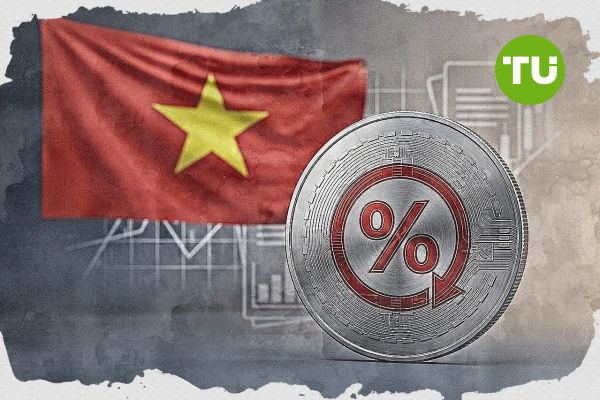
Vietnam is preparing to roll out a new tax framework for cryptocurrency transfers that would treat digital assets similarly to stock trading. Under a draft policy from the Ministry of Finance, individuals executing crypto transactions through licensed service providers would face a 0.1% personal income tax on the value of each transfer.
The structure mirrors Vietnam’s existing levy on securities trades, signaling a push to integrate crypto activity into the country’s traditional financial system, reports Cointelegraph.
The draft also proposes exempting crypto transfers from value-added tax, while applying the turnover-based tax regardless of whether an investor is a resident or non-resident. Officials appear focused on building consistency with established market rules rather than creating a separate regime for digital assets. The move reflects Vietnam’s broader effort to formalize crypto oversight as adoption continues to grow.
Corporate investors face profit-based taxation under stricter rules
The proposal outlines a different tax approach for institutional participants, with companies earning income from crypto transfers subject to a 20% corporate income tax. Unlike individuals, firms would be taxed on profits after deducting purchase costs and related expenses, aligning crypto treatment more closely with standard business income reporting. Vietnam has also introduced a formal definition of crypto assets, describing them as digital assets relying on cryptographic or similar technologies for issuance, storage, and transfer verification.
Regulators are pairing taxation with strict operational requirements for exchanges, including a minimum charter capital threshold of 10 trillion Vietnamese dong (around $408 million). Foreign ownership would be allowed but capped at 49%, underscoring a cautious approach toward external influence in the sector. These rules suggest Vietnam wants crypto markets to develop under heavy safeguards and significant financial backing.
Licensing rollout signals next phase of Vietnam’s crypto pilot program
The draft framework arrives as Vietnam advances its five-year pilot program for a regulated crypto asset market, launched in September 2025. Early participation has been limited, with the Ministry of Finance confirming in October that no companies had applied at the time, largely due to the high capital requirements and strict eligibility rules. Momentum has since picked up, as Vietnam began accepting applications for licenses to operate digital asset trading platforms starting January 20, 2026.
The State Securities Commission framed the move as part of a broader effort to bring crypto under formal regulatory oversight. If implemented, the tax and licensing regime could mark a major turning point, positioning Vietnam among the more structured crypto regulatory environments in Asia. The next challenge will be balancing investor access and innovation with the government’s emphasis on control and stability.
Recently we wrote that crypto prices staged a notable rebound, with total market capitalization rising to roughly $2.38 trillion, up 6.48% (24h) as buyers stepped back in after the recent washout.





Latest Crypto News










-
 Afghanistan
-
 Albania
-
 Algeria
-
 Angola
-
 Argentina
-
 Armenia
-
 Australia
-
 Austria
-
 Azerbaijan
-
 Bahamas
-
 Bahrain
-
 Bangladesh
-
 Belarus
-
 Belgium
-
 Bolivia
-
 Botswana
-
 Brazil
-
 Brunei
-
 Bulgaria
-
 Cambodia
-
 Cameroon
-
 Canada
-
 Chile
Chile
-
 China
China
-
 Colombia
-
 Congo
Congo
-
 Costa Rica
-
 Cote d'Ivoire
-
 Croatia
-
 Cuba
Cuba
-
 Cyprus
-
 Czechia
-
 DR Congo
-
 Denmark
-
 Dominican Republic
-
 Ecuador
-
 Egypt
Egypt
-
 El Salvador
-
 Estonia
-
 Eswatini
-
 Ethiopia
-
 Finland
-
 France
-
 Georgia
-
 Germany
-
 Ghana
Ghana
-
 Greece
-
 Haiti
Haiti
-
 Hong Kong
-
 Hungary
-
 India
India
-
 Indonesia
-
 Iran, Islamic republic
-
 Iraq
Iraq
-
 Ireland
-
 Israel
-
 Italy
Italy
-
 Jamaica
-
 Japan
Japan
-
 Jordan
-
 Kazakhstan
-
 Kenya
Kenya
-
 Korea
Korea
-
 Kuwait
-
 Kyrgyzstan
-
 Laos
Laos
-
 Latvia
-
 Lebanon
-
 Lesotho
-
 Libya
Libya
-
 Lithuania
-
 Luxembourg
-
 Madagascar
-
 Malaysia
-
 Malta
Malta
-
 Mauritius
-
 Mexico
-
 Moldova
-
 Mongolia
-
 Montenegro
-
 Morocco
-
 Mozambique
-
 Myanmar
-
 Namibia
-
 Nepal
Nepal
-
 Netherlands
-
 New Zealand
-
 Nigeria
-
 North Macedonia
-
 Norway
-
 Oman
Oman
-
 Pakistan
-
 Palestine
-
 Panama
-
 Papua New Guinea
-
 Paraguay
-
 Peru
Peru
-
 Philippines
-
 Poland
-
 Portugal
-
 Puerto Rico
-
 Qatar
Qatar
-
 Reunion
-
 Romania
-
 Rwanda
-
 Saudi Arabia
-
 Serbia
-
 Singapore
-
 Slovakia
-
 Slovenia
-
 Somalia
-
 South Africa
-
 Spain
Spain
-
 Sri Lanka
-
 Sweden
-
 Switzerland
-
 Syria
Syria
-
 Taiwan
-
 Tajikistan
-
 Tanzania
-
 Thailand
-
 Trinidad and Tobago
-
 Tunisia
-
 Turkey
-
 UAE
UAE
-
 Uganda
-
 Ukraine
-
 United Kingdom
-
United States
-
 Uruguay
-
 Uzbekistan
-
 Venezuela
-
 Vietnam
-
 Yemen
Yemen
-
 Zambia
-
 Zimbabwe
- Forex
- Crypto











