The tweet was deleted by the author.
But we saved everything 🙂.
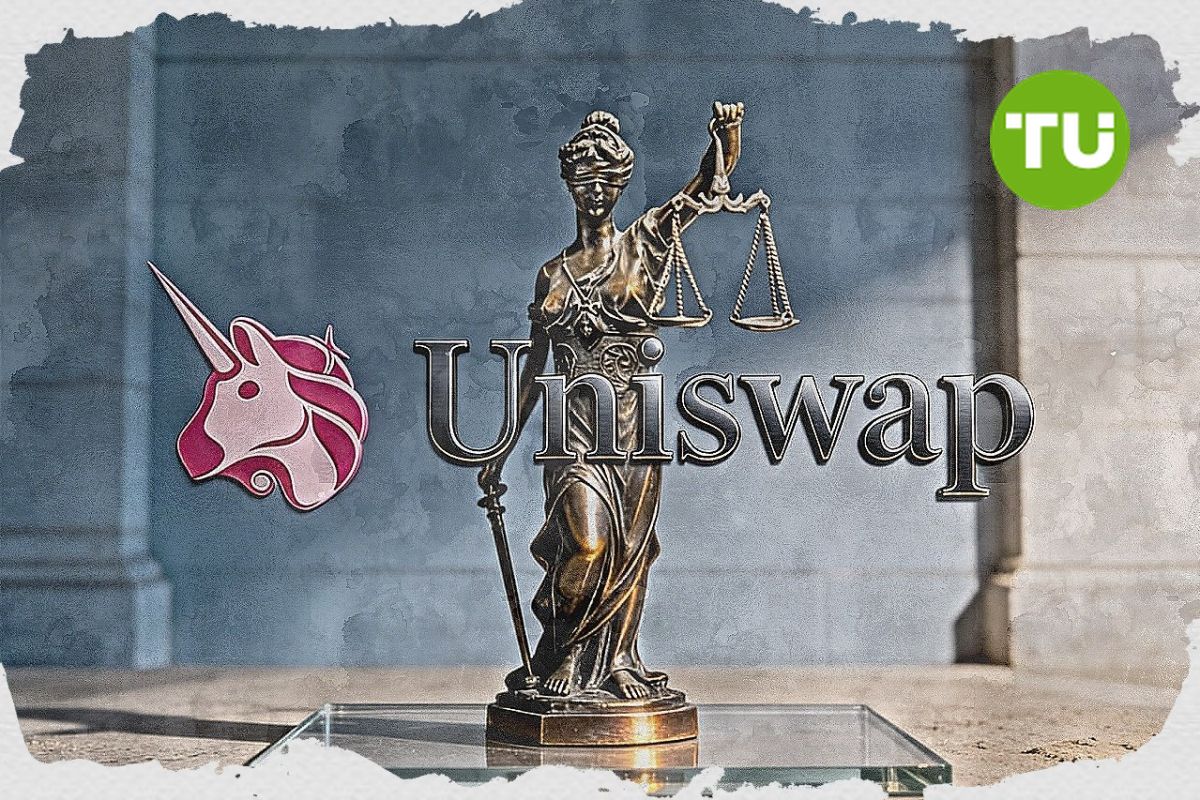
A federal court in Manhattan has put an end to a class-action lawsuit against Uniswap Labs and its founder Hayden Adams. Plaintiffs argued that the platform should be held liable for fraudulent tokens and pump-and-dump schemes traded through the protocol.
Judge Katherine Polk Failla dismissed the case with prejudice, preventing it from being filed again, Cointelegraph reported.
The ruling states that plaintiffs failed to prove Uniswap “knew about the fraud and provided substantial assistance in its commission.” The court emphasized that “simply creating an environment in which fraud can occur is not equivalent to actively facilitating that fraud.”
Adams called the decision a “good and sensible outcome,” adding: “If you write open-source smart contract code and that code is used by scammers, the scammers are responsible, not the open-source developers.”
The court also noted: “Such an argument fails for the same reasons that a bank does not substantially assist a money launderer… merely providing a platform on which fraud occurs is not the same as substantially assisting that fraud.”
The case lasted nearly four years. Following the ruling, UNI rose from $3.75 to $4.03.
The increase reflects reduced legal uncertainty surrounding one of the largest DeFi protocols. The threat of a negative precedent that could have affected decentralized trading platforms has effectively been removed.
The court drew a clear line: responsibility lies with the creators and promoters of fraudulent tokens, not with the developers of the open protocol. This approach may serve as a reference point in other cases involving the limits of liability for infrastructure projects.
At the same time, the crypto market is gradually moving into a more formalized legal environment. In the European Union, the MiCA regulation is coming into force, introducing unified requirements for token issuers and crypto service providers, including disclosure standards and stablecoin reserve rules.
In the United States, lawmakers continue to debate digital asset market structure and stablecoin regulation. Against this backdrop, the Uniswap ruling reinforces a basic principle: code and infrastructure are not inherently equal to fraud.
Legal certainty is increasing, but compliance and transparency requirements are becoming stricter — especially for projects working with retail investors. Regulators are increasingly demanding clearer disclosures on risks, token structures and promotion mechanics, narrowing the space for gray-area practices.
Read also: Uniswap founder warns of fake ads after user loses entire crypto wallet



 Afghanistan
 Albania
 Algeria
 Angola
 Argentina
 Armenia
 Australia
 Austria
 Azerbaijan
 Bahamas
 Bahrain
 Bangladesh
 Belarus
 Belgium
 Bolivia
 Botswana
 Brazil
 Brunei
 Bulgaria
 Cambodia
 Cameroon
 Canada
 Chile
Chile
 China
China
 Colombia
 Congo
Congo
 Costa Rica
 Cote d'Ivoire
 Croatia
 Cuba
Cuba
 Cyprus
 Czechia
 DR Congo
 Denmark
 Dominican Republic
 Ecuador
 Egypt
Egypt
 El Salvador
 Estonia
 Eswatini
 Ethiopia
 Finland
 France
 Georgia
 Germany
 Ghana
Ghana
 Greece
 Haiti
Haiti
 Hong Kong
 Hungary
 India
India
 Indonesia
 Iran, Islamic republic
 Iraq
Iraq
 Ireland
 Israel
 Italy
Italy
 Jamaica
 Japan
Japan
 Jordan
 Kazakhstan
 Kenya
Kenya
 Korea
Korea
 Kuwait
 Kyrgyzstan
 Laos
Laos
 Latvia
 Lebanon
 Lesotho
 Libya
Libya
 Lithuania
 Luxembourg
 Madagascar
 Malaysia
 Malta
Malta
 Mauritius
 Mexico
 Moldova
 Mongolia
 Montenegro
 Morocco
 Mozambique
 Myanmar
 Namibia
 Nepal
Nepal
 Netherlands
 New Zealand
 Nigeria
 North Macedonia
 Norway
 Oman
Oman
 Pakistan
 Palestine
 Panama
 Papua New Guinea
 Paraguay
 Peru
Peru
 Philippines
 Poland
 Portugal
 Puerto Rico
 Qatar
Qatar
 Reunion
 Romania
 Rwanda
 Saudi Arabia
 Serbia
 Singapore
 Slovakia
 Slovenia
 Somalia
 South Africa
 Spain
Spain
 Sri Lanka
 Sweden
 Switzerland
 Syria
Syria
 Taiwan
 Tajikistan
 Tanzania
 Thailand
 Trinidad and Tobago
 Tunisia
 Turkey
 UAE
UAE
 Uganda
 Ukraine
 United Kingdom
United States
United Kingdom
United States
 Uruguay
 Uzbekistan
 Venezuela
 Vietnam
 Yemen
Yemen
 Zambia
 Zimbabwe