The tweet was deleted by the author.
But we saved everything 🙂.

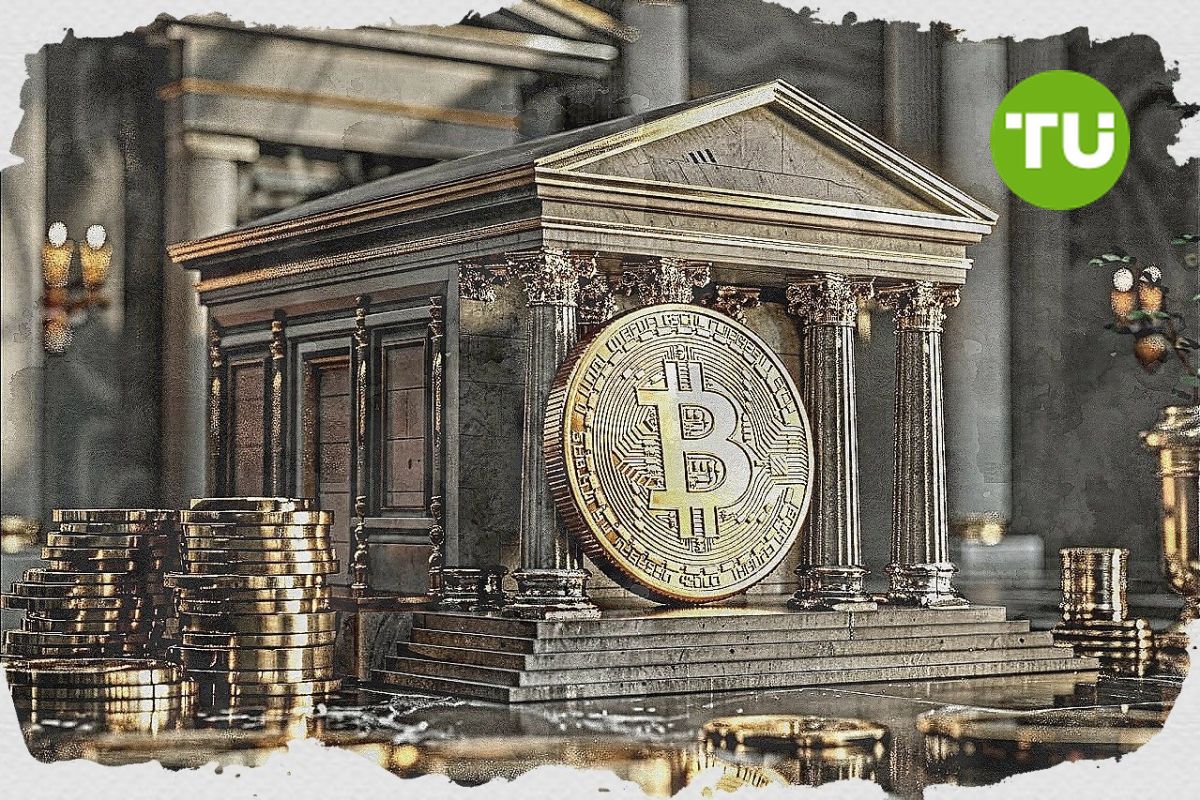
Ray Dalio does not believe in Bitcoin’s prospects as a reserve asset. Although BTC has long been part of the legendary investor’s portfolio, he believes this cryptocurrency is not suitable for central banks. However, not everyone agrees with this assessment.
Why Dalio doubts Bitcoin
Ray Dalio’s main concern about Bitcoin is its transparency. What BTC supporters call an advantage may be a problem for central banks. After all, all transactions on the network are recorded on a public blockchain, and the movement of funds can be tracked almost in real time.
View post on X Loading...
Formally, Bitcoin addresses are not tied to the names of their owners. However, they are pseudonymous, not fully anonymous. Analytics firms and law enforcement agencies have long learned how to link wallets to specific users, companies, or organizations.
For a central bank, this is a particularly sensitive issue. If a state begins accumulating or moving large amounts of BTC, the market will notice it much faster than in the case of gold or traditional reserve assets. According to Dalio, this is why central banks are in no hurry to consider Bitcoin a full-fledged reserve.
There is another problem as well. Bitcoin still often behaves unlike a safe-haven asset. Dalio points to its high correlation with the Nasdaq and technology stocks. In other words, during periods of stress, BTC may move not separately from the stock market, but together with it.
Against this backdrop, gold retains its main advantage: a long history, a deep market, and recognition within the global financial system. It has remained part of central bank reserves for decades, while Bitcoin is still too young, volatile, and politically controversial for such institutions.
Not everyone agrees with Dalio’s assessment. One of Wall Street’s best-known macro investors, Paul Tudor Jones, on the contrary, calls Bitcoin one of the best tools for protecting against inflation. According to him, after the massive monetary expansion in 2020, it was clear that demand for defensive assets would rise, and BTC turned out to be the best bet among them.
View post on X Loading...
Jones’s main argument is Bitcoin’s scarcity. BTC issuance is capped at 21 million coins, and less than 1 million remain to be mined. Gold, by contrast, increases its supply by several percent every year. That is why Bitcoin supporters believe that, in the long term, it could become a harder inflation hedge than the traditional precious metal.
Market behavior also supports this view. According to JPMorgan, after the conflict with Iran, some investors began shifting their defensive trade from gold to Bitcoin. According to The Block, Bitcoin ETFs have recorded inflows for the third consecutive month, while gold ETFs are still recovering from outflows.
The main example showing that the Bitcoin debate has already moved beyond the private market is Czechia. Czech National Bank Governor Aleš Michl spoke directly at the Bitcoin 2026 conference in favor of central banks considering BTC as part of their reserves. According to him, financial regulators need to think beyond traditional assets if they want to build portfolios for the future.
View post on X Loading...
The Czech National Bank has already gone further than most of its peers. In January 2025, Michl first proposed considering Bitcoin as a reserve diversification tool, later allowed for allocating up to 5% of reserves to BTC, and then received board approval for a deeper analysis. In November 2025, the CNB bought digital assets for a test portfolio that included Bitcoin.
At Bitcoin 2026, Michl referred to the bank’s internal analysis. According to him, the Czech central bank manages around $180 billion in reserves, and adding just 1% BTC could increase the portfolio’s expected return while keeping the overall risk roughly unchanged. The explanation is simple: Bitcoin has a low correlation with other reserve assets, which means it can work as a diversification tool.
Another important signal is coming from the United States. Donald Trump’s administration is promoting the idea of a strategic Bitcoin reserve, while lawmakers are working to enshrine it in law. This is not the same as the Federal Reserve’s foreign exchange and gold reserves, but the very fact of such a discussion shows that Bitcoin is increasingly being viewed not only as a market asset, but also as part of a state financial strategy.
The reserve is expected to be based on BTC already held on the US government’s balance sheet and obtained through criminal or civil forfeitures. However, the initiative could go further. The American Reserves Modernization Act would allow the purchase of 1 million BTC over five years using “budget-neutral strategies.”
For now, this is more of a political case than a central bank one. But such decisions can gradually change how governments view Bitcoin. If the US legally establishes a strategic BTC reserve, it will become harder for other countries and regulators to see the cryptocurrency purely as a speculative instrument.
So Dalio is right about one thing: Bitcoin has not yet become the new gold for central banks. Volatility, blockchain transparency, cyber risks, and its short history compared with gold are still standing in its way. But the market, the Czech example, and US steps show that BTC is already moving toward reserve-asset status. Most likely, in the coming years, it will not replace gold, but it may take a place alongside it.


 Afghanistan
 Albania
 Algeria
 Angola
 Argentina
 Armenia
 Australia
 Austria
 Azerbaijan
 Bahamas
 Bahrain
 Bangladesh
 Belarus
 Belgium
 Bolivia
 Botswana
 Brazil
 Brunei
 Bulgaria
 Cambodia
 Cameroon
 Canada
 Chile
Chile
 China
China
 Colombia
 Congo
Congo
 Costa Rica
 Cote d'Ivoire
 Croatia
 Cuba
Cuba
 Cyprus
 Czechia
 DR Congo
 Denmark
 Dominican Republic
 Ecuador
 Egypt
Egypt
 El Salvador
 Estonia
 Eswatini
 Ethiopia
 Finland
 France
 Georgia
 Germany
 Ghana
Ghana
 Greece
 Haiti
Haiti
 Hong Kong
 Hungary
 India
India
 Indonesia
 Iran, Islamic republic
 Iraq
Iraq
 Ireland
 Israel
 Italy
Italy
 Jamaica
 Japan
Japan
 Jordan
 Kazakhstan
 Kenya
Kenya
 Korea
Korea
 Kuwait
 Kyrgyzstan
 Laos
Laos
 Latvia
 Lebanon
 Lesotho
 Libya
Libya
 Lithuania
 Luxembourg
 Madagascar
 Malaysia
 Malta
Malta
 Mauritius
 Mexico
 Moldova
 Mongolia
 Montenegro
 Morocco
 Mozambique
 Myanmar
 Namibia
 Nepal
Nepal
 Netherlands
 New Zealand
 Nigeria
 North Macedonia
 Norway
 Oman
Oman
 Pakistan
 Palestine
 Panama
 Papua New Guinea
 Paraguay
 Peru
Peru
 Philippines
 Poland
 Portugal
 Puerto Rico
 Qatar
Qatar
 Reunion
 Romania
 Rwanda
 Saudi Arabia
 Serbia
 Singapore
 Slovakia
 Slovenia
 Somalia
 South Africa
 Spain
Spain
 Sri Lanka
 Sweden
 Switzerland
 Syria
Syria
 Taiwan
 Tajikistan
 Tanzania
 Thailand
 Trinidad and Tobago
 Tunisia
 Turkey
 UAE
UAE
 Uganda
 Ukraine
 United Kingdom
United States
United Kingdom
United States
 Uruguay
 Uzbekistan
 Venezuela
 Vietnam
 Yemen
Yemen
 Zambia
 Zimbabwe