
Uber, Lyft and DoorDash expand fuel incentives for U.S. gig drivers
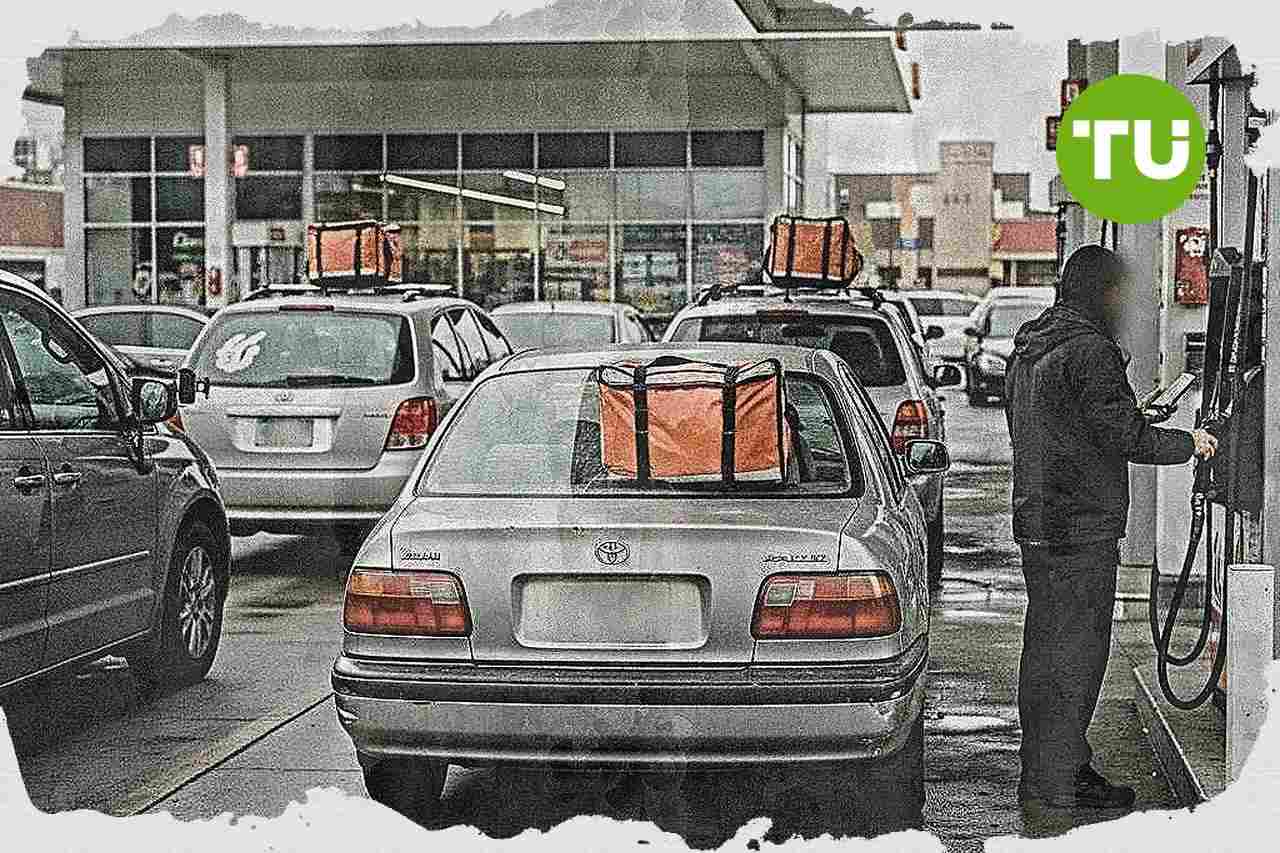
Uber, Lyft and DoorDash are introducing temporary fuel-related incentives for drivers and couriers, according to company announcements cited in the article, as higher oil and gasoline prices pressure take-home pay across the U.S. The measures include cashback, debit card discounts and mileage-based payments, and come as workers say they are becoming more selective about which trips and deliveries they accept.
Highlights
- Uber, Lyft, and DoorDash expanded temporary fuel incentives for U.S. gig drivers, with programs running through late April and May amid surging gas prices.
- DoorDash, Uber, and Lyft offer weekly mileage-based payments, cash back on fuel (up to $1.90, $1.44, and $0.98 per gallon respectively), and extra rewards through proprietary debit cards and partner programs.
- AAA data shows average U.S. gasoline prices have risen nearly $1 per gallon in the last month, pressuring driver earnings and prompting platforms to use temporary, targeted aid instead of permanent pay increases.
Company programs run through late April and May
DoorDash says delivery workers who drive at least 125 miles a week can receive relief payments for fuel, starting at $5 and rising to $15 for those who travel at least 250 miles weekly. The company also offers 10% cash back on gas purchases for workers using its Crimson debit card. DoorDash estimates the combined value can reach as much as $1.90 per gallon. The program is set to end on April 26.Uber says its ride-hailing drivers and delivery workers are eligible for up to $1 per gallon in cash back through Upside, alongside additional discounts at Shell stations. It also offers up to 15% off gas for workers using the Uber Pro debit card, with the exact benefit depending on driver status in the app. Uber estimates the incentives can be worth as much as $1.44 per gallon. For delivery workers, the company is also adding mileage-based payments of $5 to $15 a week, and those payments are scheduled to run through May 3, while the broader fuel offers last through May 26.Lyft says its program starts on Friday and continues through May 26. Drivers with Elite status can receive 2% cash back when using a Lyft Direct debit card, while Gold and Platinum drivers can receive 1% cash back. The company also offers $0.14 in cash back and $5 off a fill-up through Upside. Lyft says the combined incentives are worth up to $0.98 per gallon.Rising pump prices increase pressure on driver earnings
The incentives arrive as fuel costs climb sharply following a global oil shock linked in the article to the war in the Middle East. AAA data cited in the report shows the average U.S. gasoline price has risen by nearly $1 a gallon over the past month. That increase directly affects gig workers whose earnings depend on how much they spend to complete rides and deliveries. As a result, some drivers are focusing on the most profitable routes to protect margins.Business Insider says drivers have been calling on the platforms to provide more support as fuel costs rise. Sergio Avedian, an Uber driver and senior contributor to The Rideshare Guy, says the new incentives are a step in the right direction but remain largely symbolic. He says some benefits require workers to use company-linked debit cards and in many cases extend existing offers rather than materially improving earnings. His comments highlight ongoing tension over whether temporary discounts can meaningfully offset sustained operating cost increases in the gig economy.Gig economy platforms face margin and retention questions
The latest programs show how ride-hailing and delivery companies are trying to preserve driver supply without committing to broad permanent pay increases. Temporary fuel support may help companies stabilize operations during a period of volatile energy prices, especially if workers continue rejecting lower-value trips. The strategy also lets platforms target aid through loyalty tiers, partner apps and branded financial products instead of changing base compensation. That approach could limit corporate costs, but it may also leave some workers dissatisfied if pump prices remain elevated.For the broader U.S. gig economy, the fuel measures underline how external commodity shocks can quickly affect labor availability and service economics. Companies that rely on independent drivers are exposed when workers recalculate which jobs are worth accepting. If oil prices stay high, pressure could build for longer-lasting changes to driver incentives, fees or payout models. For now, the current offers function mainly as short-term operating support tied to specific dates and usage conditions.We previously reported that Tesla shares were under sustained selling pressure as the stock traded below key moving averages, with a bearish weekly range outlined around the $371–$381 area. That report also highlighted how escalating geopolitical tensions—including conflict in the Middle East—and U.S.–China frictions were amplifying supply-chain and cost risks, adding another layer of uncertainty to the outlook.





Latest Iran war News









-
 Afghanistan
-
 Albania
-
 Algeria
-
 Angola
-
 Argentina
-
 Armenia
-
 Australia
-
 Austria
-
 Azerbaijan
-
 Bahamas
-
 Bahrain
-
 Bangladesh
-
 Belarus
-
 Belgium
-
 Bolivia
-
 Botswana
-
 Brazil
-
 Brunei
-
 Bulgaria
-
 Cambodia
-
 Cameroon
-
 Canada
-
 Chile
Chile
-
 China
China
-
 Colombia
-
 Congo
Congo
-
 Costa Rica
-
 Cote d'Ivoire
-
 Croatia
-
 Cuba
Cuba
-
 Cyprus
-
 Czechia
-
 DR Congo
-
 Denmark
-
 Dominican Republic
-
 Ecuador
-
 Egypt
Egypt
-
 El Salvador
-
 Estonia
-
 Eswatini
-
 Ethiopia
-
 Finland
-
 France
-
 Georgia
-
 Germany
-
 Ghana
Ghana
-
 Greece
-
 Haiti
Haiti
-
 Hong Kong
-
 Hungary
-
 India
India
-
 Indonesia
-
 Iran, Islamic republic
-
 Iraq
Iraq
-
 Ireland
-
 Israel
-
 Italy
Italy
-
 Jamaica
-
 Japan
Japan
-
 Jordan
-
 Kazakhstan
-
 Kenya
Kenya
-
 Korea
Korea
-
 Kuwait
-
 Kyrgyzstan
-
 Laos
Laos
-
 Latvia
-
 Lebanon
-
 Lesotho
-
 Libya
Libya
-
 Lithuania
-
 Luxembourg
-
 Madagascar
-
 Malaysia
-
 Malta
Malta
-
 Mauritius
-
 Mexico
-
 Moldova
-
 Mongolia
-
 Montenegro
-
 Morocco
-
 Mozambique
-
 Myanmar
-
 Namibia
-
 Nepal
Nepal
-
 Netherlands
-
 New Zealand
-
 Nigeria
-
 North Macedonia
-
 Norway
-
 Oman
Oman
-
 Pakistan
-
 Palestine
-
 Panama
-
 Papua New Guinea
-
 Paraguay
-
 Peru
Peru
-
 Philippines
-
 Poland
-
 Portugal
-
 Puerto Rico
-
 Qatar
Qatar
-
 Reunion
-
 Romania
-
 Rwanda
-
 Saudi Arabia
-
 Serbia
-
 Singapore
-
 Slovakia
-
 Slovenia
-
 Somalia
-
 South Africa
-
 Spain
Spain
-
 Sri Lanka
-
 Sweden
-
 Switzerland
-
 Syria
Syria
-
 Taiwan
-
 Tajikistan
-
 Tanzania
-
 Thailand
-
 Trinidad and Tobago
-
 Tunisia
-
 Turkey
-
 UAE
UAE
-
 Uganda
-
 Ukraine
-
 United Kingdom
-
United States
-
 Uruguay
-
 Uzbekistan
-
 Venezuela
-
 Vietnam
-
 Yemen
Yemen
-
 Zambia
-
 Zimbabwe
- Forex
- Crypto












