
Oil prices jump as U.S. Navy seizes Iranian vessel and Iran recloses Strait of Hormuz
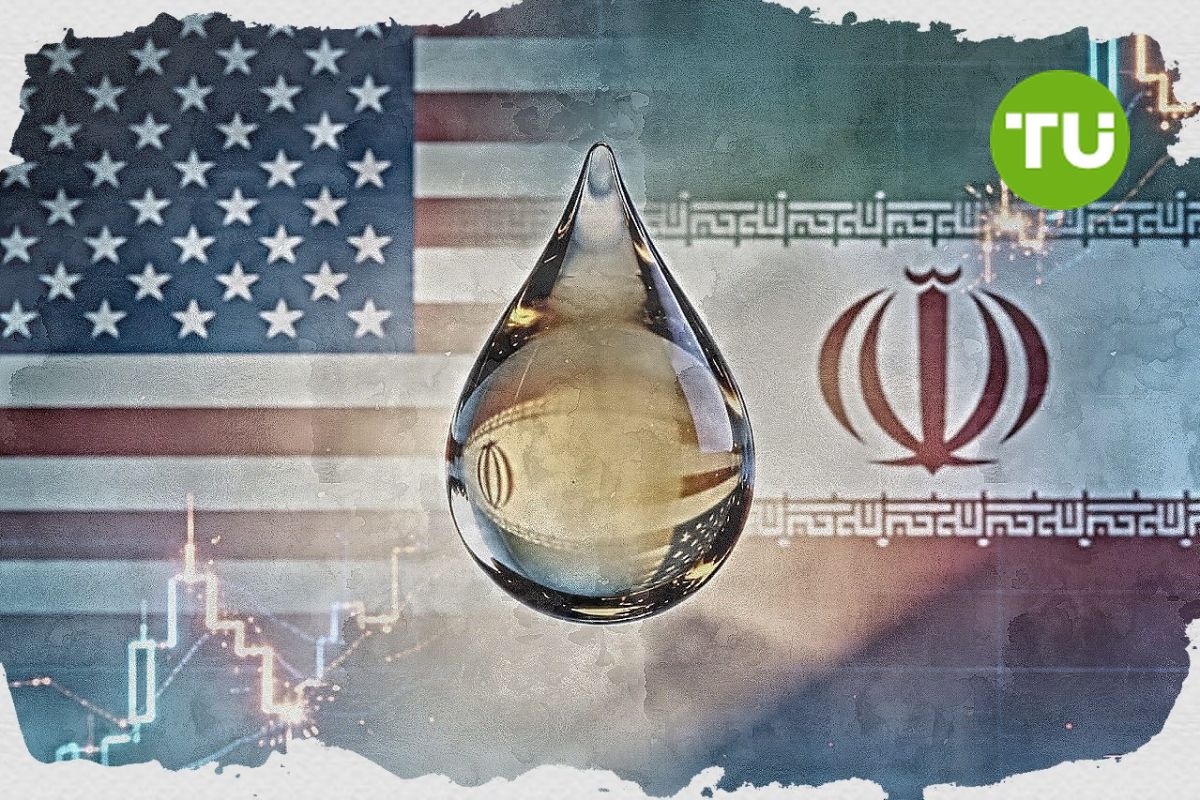
The energy market turned upward again at the start of the week after a sharp deterioration in the situation around the Strait of Hormuz. The trigger was the seizure of an Iranian vessel by the U.S. Navy and Tehrans subsequent decision to tighten control once again over passage through the key maritime corridor.
Highlights
- Brent crude rose up to 7.9% to around $95.48 a barrel after the U.S. seizure of an Iranian vessel.
- Iran reclosed the Strait of Hormuz, bringing tanker traffic to a near halt.
- The U.S.-Iran ceasefire is set to expire Tuesday, with talks in Islamabad now in doubt.
Escalation over the weekend
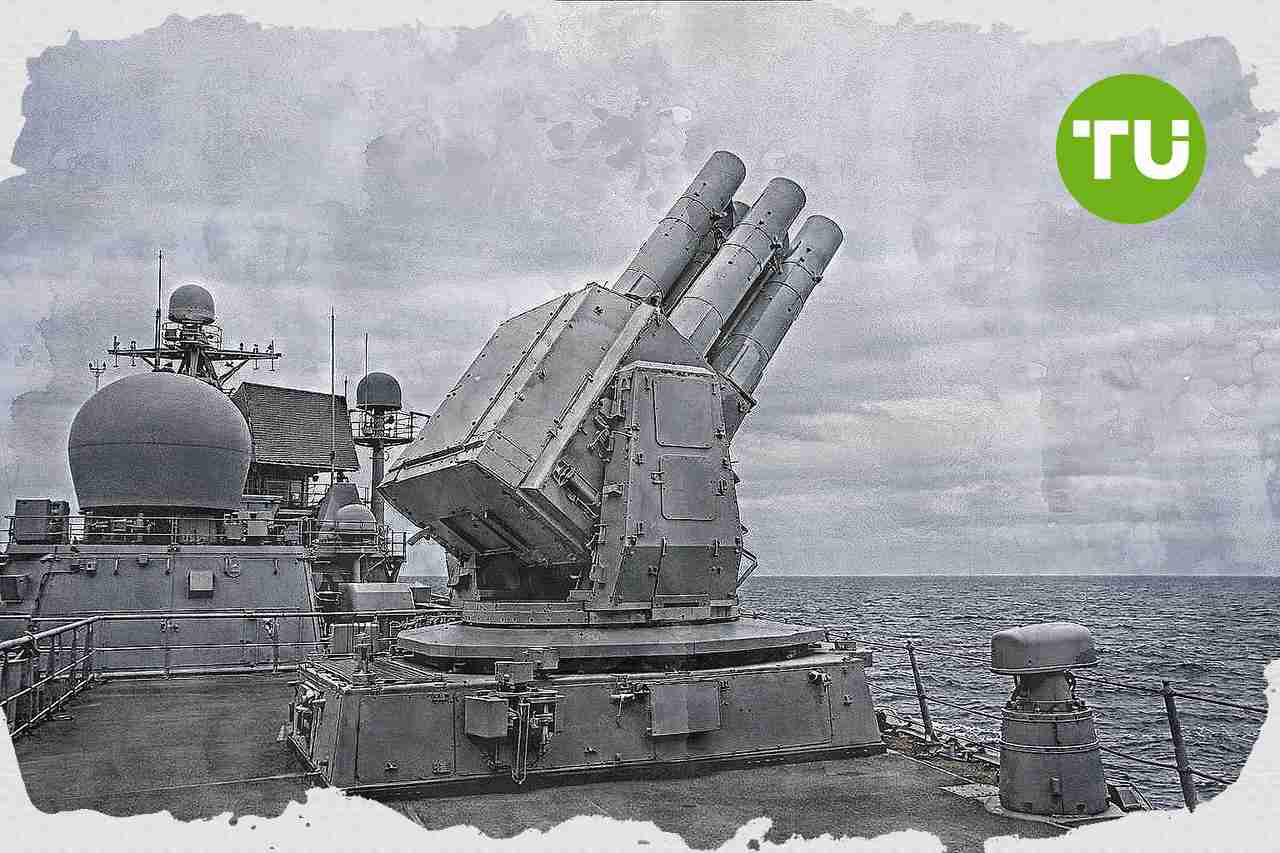
According to Bloomberg, on Sunday, President Donald Trump said US warships opened fire and captured an Iranian vessel in the Gulf of Oman after it ignored warnings to stop while heading toward the Strait of Hormuz. The incident marked the first major use of force during the ongoing blockade of Iranian ports.
In response, Iran announced it was once again closing the narrow strait, claiming the U.S. actions violated the ceasefire agreement due to expire on Tuesday. Traffic through the waterway, which normally carries about one-fifth of global seaborne oil and liquefied natural gas supplies, virtually halted. On Monday, only a handful of tankers were attempting to move in either direction.
Market reaction
Brent crude rose as much as 7.9%, trading around $95.48 a barrel and recovering most of Friday’s losses. West Texas Intermediate climbed 6.13% to $88.99 a barrel. European natural gas prices surged 11%.
Analysts noted that markets are still pricing in a risk premium ahead of the ceasefire deadline. Harris Khurshid, chief investment officer at Karobaar Capital LP in Chicago, said: “The market continues to hold a risk premium until the deadline, but it is not fully prepared for it yet. If the situation develops as it is now, you will likely see a gradual rise toward $105–$115, with constant fluctuations depending on the news.”
Diplomatic uncertainty
Planned talks in Islamabad appeared in jeopardy. Vice President JD Vance, special envoy Steve Witkoff, and Jared Kushner were scheduled to fly to Pakistan for negotiations on Tuesday, according to a White House official. However, Iranian state television, citing a member of the country’s negotiating team, denied any plans to participate.
The confrontation over the Strait of Hormuz threatens to worsen the global energy crisis and undercuts recent predictions by Trump of a swift end to the conflict. The situation adds to other unresolved issues, including Iran’s nuclear program and Israel’s ongoing operations in Lebanon.
Risks to global energy supplies
The latest developments highlight the vulnerability of global energy markets to events in the Middle East.
Any prolonged disruption to the Strait of Hormuz could intensify inflationary pressures and weigh on worldwide economic growth, with early signs of stagflation possibly appearing in business surveys this week.
We also reported that Bitcoin slips below $75,000 as U.S.-Iran tensions flare again.





Latest Iran war News








-
 Afghanistan
-
 Albania
-
 Algeria
-
 Angola
-
 Argentina
-
 Armenia
-
 Australia
-
 Austria
-
 Azerbaijan
-
 Bahamas
-
 Bahrain
-
 Bangladesh
-
 Belarus
-
 Belgium
-
 Bolivia
-
 Botswana
-
 Brazil
-
 Brunei
-
 Bulgaria
-
 Cambodia
-
 Cameroon
-
 Canada
-
 Chile
Chile
-
 China
China
-
 Colombia
-
 Congo
Congo
-
 Costa Rica
-
 Cote d'Ivoire
-
 Croatia
-
 Cuba
Cuba
-
 Cyprus
-
 Czechia
-
 DR Congo
-
 Denmark
-
 Dominican Republic
-
 Ecuador
-
 Egypt
Egypt
-
 El Salvador
-
 Estonia
-
 Eswatini
-
 Ethiopia
-
 Finland
-
 France
-
 Georgia
-
 Germany
-
 Ghana
Ghana
-
 Greece
-
 Haiti
Haiti
-
 Hong Kong
-
 Hungary
-
 India
India
-
 Indonesia
-
 Iran, Islamic republic
-
 Iraq
Iraq
-
 Ireland
-
 Israel
-
 Italy
Italy
-
 Jamaica
-
 Japan
Japan
-
 Jordan
-
 Kazakhstan
-
 Kenya
Kenya
-
 Korea
Korea
-
 Kuwait
-
 Kyrgyzstan
-
 Laos
Laos
-
 Latvia
-
 Lebanon
-
 Lesotho
-
 Libya
Libya
-
 Lithuania
-
 Luxembourg
-
 Madagascar
-
 Malaysia
-
 Malta
Malta
-
 Mauritius
-
 Mexico
-
 Moldova
-
 Mongolia
-
 Montenegro
-
 Morocco
-
 Mozambique
-
 Myanmar
-
 Namibia
-
 Nepal
Nepal
-
 Netherlands
-
 New Zealand
-
 Nigeria
-
 North Macedonia
-
 Norway
-
 Oman
Oman
-
 Pakistan
-
 Palestine
-
 Panama
-
 Papua New Guinea
-
 Paraguay
-
 Peru
Peru
-
 Philippines
-
 Poland
-
 Portugal
-
 Puerto Rico
-
 Qatar
Qatar
-
 Reunion
-
 Romania
-
 Rwanda
-
 Saudi Arabia
-
 Serbia
-
 Singapore
-
 Slovakia
-
 Slovenia
-
 Somalia
-
 South Africa
-
 Spain
Spain
-
 Sri Lanka
-
 Sweden
-
 Switzerland
-
 Syria
Syria
-
 Taiwan
-
 Tajikistan
-
 Tanzania
-
 Thailand
-
 Trinidad and Tobago
-
 Tunisia
-
 Turkey
-
 UAE
UAE
-
 Uganda
-
 Ukraine
-
 United Kingdom
-
United States
-
 Uruguay
-
 Uzbekistan
-
 Venezuela
-
 Vietnam
-
 Yemen
Yemen
-
 Zambia
-
 Zimbabwe
- Forex
- Crypto












