
U.S. House energy panel weighs bills to meet power demand and protect ratepayers
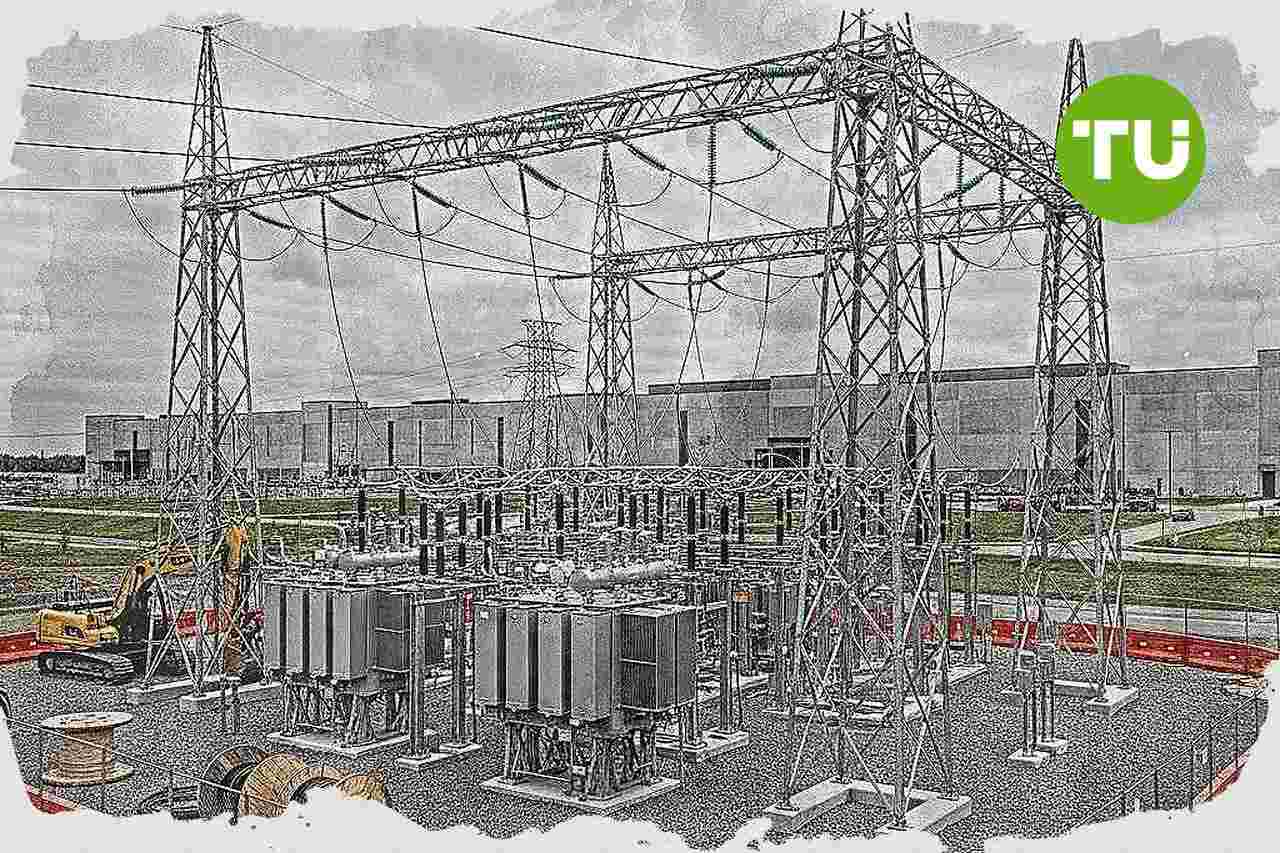
Rising electricity demand tied to AI and data center growth is pushing U.S. lawmakers to revisit how generation, transmission and consumer costs are managed. At a House subcommittee hearing in Washington, Chairman Bob Latta says the policy debate centers on keeping power reliable and affordable as grid pressures increase.
Highlights
- The U.S. House Energy and Commerce Subcommittee reviewed bills to address 224 gigawatts of projected peak demand growth versus 105 gigawatts of expected retirements, signaling a 329 gigawatt shortfall over 10 years.
- Legislation such as the Ratepayer Protection Act targets prevention of household rate hikes linked to data center-driven power demand, while other measures focus on grid planning and cost allocation.
- Testimony from officials including Duke Energy and Arizona Corporation Commission underscores industry and regulator agreement on the need to balance surging demand, grid reliability, affordability, and state authority in transmission projects.
Legislative focus on demand growth and grid planning
As stated by the House Committee on Energy and Commerce, Latta uses his opening remarks at the Subcommittee on Energy hearing to back a package of bills aimed at addressing load growth while shielding households from higher electricity costs.He says reliable and affordable energy is central to U.S. leadership in artificial intelligence, arguing that AI is already contributing to economic growth, business productivity and industrial competitiveness. Latta also frames the issue as a national security concern, saying U.S. rivals including Russia and China are using or investing in AI in ways that raise economic and strategic risks.
In his remarks, Latta says households are concerned that AI expansion and the data centers supporting it could push up energy bills. He argues instead that new data center interconnections should be paired with grid modernization, additional dispatchable resources and other benefits for consumers and local communities, including tax revenue.
Latta cites a recent annual assessment from the North American Electric Reliability Corporation that estimates peak demand over the next 10 years grows by 224 gigawatts while 105 gigawatts of dispatchable generation is expected to retire. He says that leaves a 329 gigawatt shortfall and underscores the need for more accurate load forecasting and expanded energy infrastructure planning.
Ratepayer protection and industry implications
Among the measures under review, Latta highlights the Ratepayer Protection Act, which he says is designed to ensure states have policies to prevent households from bearing the cost of energy demand tied to data centers. He also points to the Load Forecasting Enhancement Act, which he says would support more detailed planning for generation and transmission buildout.He further backs the Fair Allocation of Interstates Rates Act, which he says would place renewable portfolio standard costs on the states that adopt those requirements, and the Advanced Transmission Technologies to Reduce Rates Act, intended to expand the use of advanced transmission technologies through work involving the Department of Energy.
The hearing also draws on testimony from utility and regulatory officials, including Arizona Corporation Commission Chairman Nick Myers, Duke Energy executive Nelson Peeler, Large Public Power Council President Tom Falcone and energy sector expert Whitney Muse. Their participation reflects a broader policy push to balance fast-rising power demand from emerging industries with affordability, grid reliability and state involvement in transmission planning.
In our earlier coverage of Microsoft’s AI expansion, we noted that the company’s cloud strategy is shifting as it ended Azure’s exclusive cloud arrangement with OpenAI, allowing OpenAI models to run on rival platforms. That piece also highlighted growing U.S. political resistance to new data centers needed for AI and cloud growth, a headwind that can affect both buildout timelines and the broader competitive landscape.














-
 Afghanistan
-
 Albania
-
 Algeria
-
 Angola
-
 Argentina
-
 Armenia
-
 Australia
-
 Austria
-
 Azerbaijan
-
 Bahamas
-
 Bahrain
-
 Bangladesh
-
 Belarus
-
 Belgium
-
 Bolivia
-
 Botswana
-
 Brazil
-
 Brunei
-
 Bulgaria
-
 Cambodia
-
 Cameroon
-
 Canada
-
 Chile
Chile
-
 China
China
-
 Colombia
-
 Congo
Congo
-
 Costa Rica
-
 Cote d'Ivoire
-
 Croatia
-
 Cuba
Cuba
-
 Cyprus
-
 Czechia
-
 DR Congo
-
 Denmark
-
 Dominican Republic
-
 Ecuador
-
 Egypt
Egypt
-
 El Salvador
-
 Estonia
-
 Eswatini
-
 Ethiopia
-
 Finland
-
 France
-
 Georgia
-
 Germany
-
 Ghana
Ghana
-
 Greece
-
 Haiti
Haiti
-
 Hong Kong
-
 Hungary
-
 India
India
-
 Indonesia
-
 Iran, Islamic republic
-
 Iraq
Iraq
-
 Ireland
-
 Israel
-
 Italy
Italy
-
 Jamaica
-
 Japan
Japan
-
 Jordan
-
 Kazakhstan
-
 Kenya
Kenya
-
 Korea
Korea
-
 Kuwait
-
 Kyrgyzstan
-
 Laos
Laos
-
 Latvia
-
 Lebanon
-
 Lesotho
-
 Libya
Libya
-
 Lithuania
-
 Luxembourg
-
 Madagascar
-
 Malaysia
-
 Malta
Malta
-
 Mauritius
-
 Mexico
-
 Moldova
-
 Mongolia
-
 Montenegro
-
 Morocco
-
 Mozambique
-
 Myanmar
-
 Namibia
-
 Nepal
Nepal
-
 Netherlands
-
 New Zealand
-
 Nigeria
-
 North Macedonia
-
 Norway
-
 Oman
Oman
-
 Pakistan
-
 Palestine
-
 Panama
-
 Papua New Guinea
-
 Paraguay
-
 Peru
Peru
-
 Philippines
-
 Poland
-
 Portugal
-
 Puerto Rico
-
 Qatar
Qatar
-
 Reunion
-
 Romania
-
 Rwanda
-
 Saudi Arabia
-
 Serbia
-
 Singapore
-
 Slovakia
-
 Slovenia
-
 Somalia
-
 South Africa
-
 Spain
Spain
-
 Sri Lanka
-
 Sweden
-
 Switzerland
-
 Syria
Syria
-
 Taiwan
-
 Tajikistan
-
 Tanzania
-
 Thailand
-
 Trinidad and Tobago
-
 Tunisia
-
 Turkey
-
 UAE
UAE
-
 Uganda
-
 Ukraine
-
 United Kingdom
-
United States
-
 Uruguay
-
 Uzbekistan
-
 Venezuela
-
 Vietnam
-
 Yemen
Yemen
-
 Zambia
-
 Zimbabwe
- Forex
- Crypto












