
Senate Banking Democrat criticizes Trump move on advanced AI chip sales to China
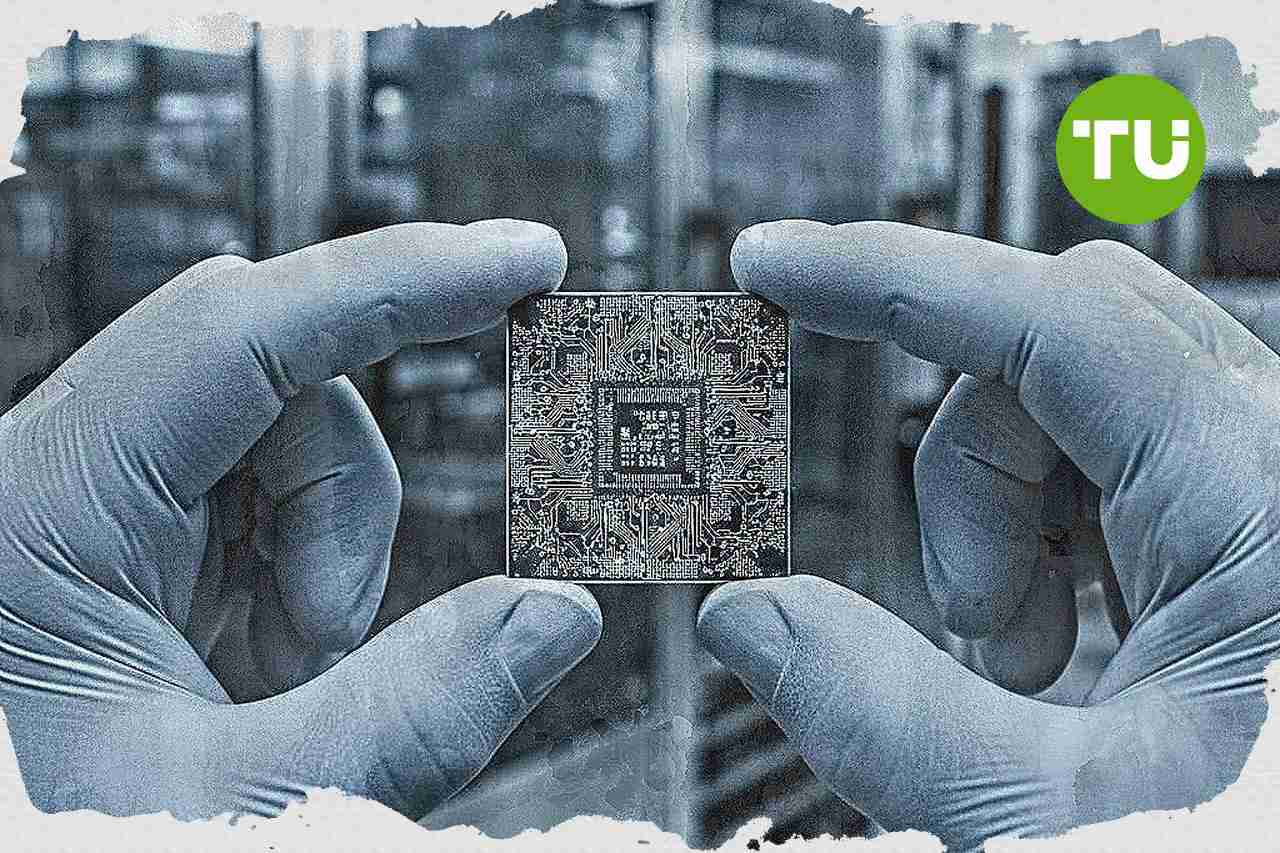
Tensions over U.S.-China technology trade remain central to Washington's debate over industrial policy and national security. Senator Elizabeth Warren says President Donald Trump's decision to clear sales of advanced AI chips to China risks strengthening Beijing's technological and military capabilities while disadvantaging U.S. customers.
Highlights
- Senate Banking ranking member Warren criticized Trump's move to ease advanced AI chip sales to China, citing risks to U.S. startups and universities.
- Warren argues the decision could boost China's military capabilities and technological dominance by enabling access to state-of-the-art U.S. AI chips.
- Political scrutiny intensifies on NVIDIA and peers as Washington weighs revenue opportunities against national security concerns over semiconductor exports to China.
Committee statement raises security and market concerns
As reported by the Senate Committee on Banking, Housing, and Urban Affairs Minority Press Releases, Warren issued the criticism in a statement released from Washington, D.C., in her role as ranking member of the committee.Warren says the decision gives NVIDIA broader scope to prioritize sales to China over U.S. customers, including startups and universities. She argues the move could support China's push for technological dominance and contribute to the buildout of a stronger military capability.
In her statement, Warren also links the decision to Trump's wider trade approach toward China, saying the administration is easing access to some of the most advanced U.S. AI chips at a time of strategic competition between the two countries.
Broader implications for U.S. industry and policy
The criticism underscores how advanced semiconductors remain a flashpoint in the contest between commercial opportunity and national security restrictions. AI chips are seen as critical infrastructure for data centers, artificial intelligence development and defense-related computing, making export policy a significant issue for both chipmakers and policymakers.Warren frames the decision as a long-term risk to American prosperity and security, arguing it could shift economic and technological advantages toward China. Her comments also highlight continuing political scrutiny of NVIDIA and other semiconductor companies as Washington weighs corporate revenue opportunities against strategic limits on exports.
In our earlier coverage of U.S. authorities temporarily allowing select Chinese firms to purchase NVIDIA’s advanced H200 AI chips, we noted that the move expanded NVIDIA’s official market access in China and helped support bullish momentum in NVDA shares. At the same time, we highlighted that reports of illicit chip smuggling and the prospect of tighter export controls were keeping the policy backdrop fragile, leaving the stock’s upside tied to shifting U.S.-China regulatory decisions.












-
 Afghanistan
-
 Albania
-
 Algeria
-
 Angola
-
 Argentina
-
 Armenia
-
 Australia
-
 Austria
-
 Azerbaijan
-
 Bahamas
-
 Bahrain
-
 Bangladesh
-
 Belarus
-
 Belgium
-
 Bolivia
-
 Botswana
-
 Brazil
-
 Brunei
-
 Bulgaria
-
 Cambodia
-
 Cameroon
-
 Canada
-
 Chile
Chile
-
 China
China
-
 Colombia
-
 Congo
Congo
-
 Costa Rica
-
 Cote d'Ivoire
-
 Croatia
-
 Cuba
Cuba
-
 Cyprus
-
 Czechia
-
 DR Congo
-
 Denmark
-
 Dominican Republic
-
 Ecuador
-
 Egypt
Egypt
-
 El Salvador
-
 Estonia
-
 Eswatini
-
 Ethiopia
-
 Finland
-
 France
-
 Georgia
-
 Germany
-
 Ghana
Ghana
-
 Greece
-
 Haiti
Haiti
-
 Hong Kong
-
 Hungary
-
 India
India
-
 Indonesia
-
 Iran, Islamic republic
-
 Iraq
Iraq
-
 Ireland
-
 Israel
-
 Italy
Italy
-
 Jamaica
-
 Japan
Japan
-
 Jordan
-
 Kazakhstan
-
 Kenya
Kenya
-
 Korea
Korea
-
 Kuwait
-
 Kyrgyzstan
-
 Laos
Laos
-
 Latvia
-
 Lebanon
-
 Lesotho
-
 Libya
Libya
-
 Lithuania
-
 Luxembourg
-
 Madagascar
-
 Malaysia
-
 Malta
Malta
-
 Mauritius
-
 Mexico
-
 Moldova
-
 Mongolia
-
 Montenegro
-
 Morocco
-
 Mozambique
-
 Myanmar
-
 Namibia
-
 Nepal
Nepal
-
 Netherlands
-
 New Zealand
-
 Nigeria
-
 North Macedonia
-
 Norway
-
 Oman
Oman
-
 Pakistan
-
 Palestine
-
 Panama
-
 Papua New Guinea
-
 Paraguay
-
 Peru
Peru
-
 Philippines
-
 Poland
-
 Portugal
-
 Puerto Rico
-
 Qatar
Qatar
-
 Reunion
-
 Romania
-
 Rwanda
-
 Saudi Arabia
-
 Serbia
-
 Singapore
-
 Slovakia
-
 Slovenia
-
 Somalia
-
 South Africa
-
 Spain
Spain
-
 Sri Lanka
-
 Sweden
-
 Switzerland
-
 Syria
Syria
-
 Taiwan
-
 Tajikistan
-
 Tanzania
-
 Thailand
-
 Trinidad and Tobago
-
 Tunisia
-
 Turkey
-
 UAE
UAE
-
 Uganda
-
 Ukraine
-
 United Kingdom
-
United States
-
 Uruguay
-
 Uzbekistan
-
 Venezuela
-
 Vietnam
-
 Yemen
Yemen
-
 Zambia
-
 Zimbabwe
- Forex
- Crypto












