
U.S. senators press Treasury to end Russian oil license amid Iran war costs
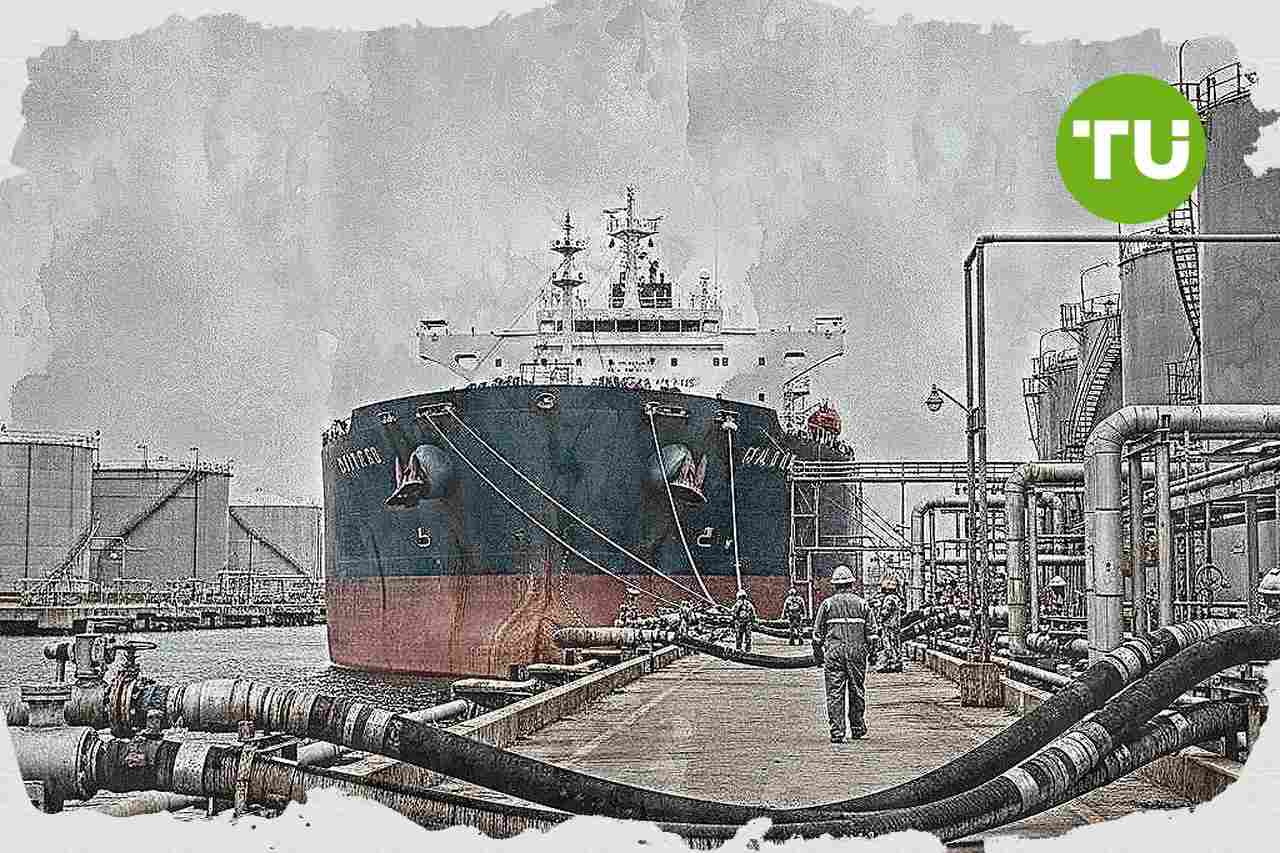
Pressure is rising in Washington over a Treasury waiver that allows purchases of Russian oil loaded by April 17, 2026, as the current license nears expiration. The dispute links U.S. energy policy, sanctions enforcement and the economic fallout from President Donald Trump's war in Iran.
Highlights
- Senators Jeanne Shaheen and Elizabeth Warren urge the Trump administration not to extend General License 134B, set to expire April 17, 2026, which authorizes some Russian oil purchases.
- They argue the waiver allows Russia to earn more amid rising Middle East conflict costs, stating average U.S. gasoline prices remain above $4.50 per gallon without clear consumer benefits.
- The senators warn continued Russian oil purchases undermine sanctions, financially support Russia's aid to Iran, and potentially weaken U.S. energy market and security interests.
Senators target expiring Treasury waiver
As reported by Senate Committee on Finance Minority Press, U.S. Senators Jeanne Shaheen, ranking member of the Senate Foreign Relations Committee, and Elizabeth Warren, ranking member of the Senate Banking, Housing, and Urban Affairs Committee, are urging the Trump administration not to extend the Department of Treasury's General License 134B. The measure authorizes the purchase of Russian oil loaded on vessels as of April 17, 2026.In their statement, the senators say the license should not be renewed when it expires. They argue the policy is helping Russia earn more money while the administration has not shown that it is lowering fuel costs for U.S. households.
Energy costs and sanctions implications
The lawmakers say average gasoline prices remain above $4.50 a gallon and contend there is no evidence the waiver is reducing costs for American families affected by the conflict in the Middle East. They also say the administration has failed to explain how the license benefits Americans or oil markets.The statement adds a wider geopolitical argument, saying Russia is being financially supported at a time when it has offered Iran assistance in targeting U.S. service members. That criticism places the license at the center of a broader debate over whether current U.S. policy is weakening pressure on Moscow while raising risks for energy markets and national security.
Our earlier coverage of the House Appropriations subcommittee’s FY27 Energy and Water spending bill detailed a $58.5 billion plan that boosts funding for energy security, grid protection, water infrastructure, and nuclear modernization. The measure emphasized baseload energy R&D, domestic critical minerals supply chains, and resilience priorities framed as supporting both affordable energy and national security.





Latest Natural Gas News






-
 Afghanistan
-
 Albania
-
 Algeria
-
 Angola
-
 Argentina
-
 Armenia
-
 Australia
-
 Austria
-
 Azerbaijan
-
 Bahamas
-
 Bahrain
-
 Bangladesh
-
 Belarus
-
 Belgium
-
 Bolivia
-
 Botswana
-
 Brazil
-
 Brunei
-
 Bulgaria
-
 Cambodia
-
 Cameroon
-
 Canada
-
 Chile
Chile
-
 China
China
-
 Colombia
-
 Congo
Congo
-
 Costa Rica
-
 Cote d'Ivoire
-
 Croatia
-
 Cuba
Cuba
-
 Cyprus
-
 Czechia
-
 DR Congo
-
 Denmark
-
 Dominican Republic
-
 Ecuador
-
 Egypt
Egypt
-
 El Salvador
-
 Estonia
-
 Eswatini
-
 Ethiopia
-
 Finland
-
 France
-
 Georgia
-
 Germany
-
 Ghana
Ghana
-
 Greece
-
 Haiti
Haiti
-
 Hong Kong
-
 Hungary
-
 India
India
-
 Indonesia
-
 Iran, Islamic republic
-
 Iraq
Iraq
-
 Ireland
-
 Israel
-
 Italy
Italy
-
 Jamaica
-
 Japan
Japan
-
 Jordan
-
 Kazakhstan
-
 Kenya
Kenya
-
 Korea
Korea
-
 Kuwait
-
 Kyrgyzstan
-
 Laos
Laos
-
 Latvia
-
 Lebanon
-
 Lesotho
-
 Libya
Libya
-
 Lithuania
-
 Luxembourg
-
 Madagascar
-
 Malaysia
-
 Malta
Malta
-
 Mauritius
-
 Mexico
-
 Moldova
-
 Mongolia
-
 Montenegro
-
 Morocco
-
 Mozambique
-
 Myanmar
-
 Namibia
-
 Nepal
Nepal
-
 Netherlands
-
 New Zealand
-
 Nigeria
-
 North Macedonia
-
 Norway
-
 Oman
Oman
-
 Pakistan
-
 Palestine
-
 Panama
-
 Papua New Guinea
-
 Paraguay
-
 Peru
Peru
-
 Philippines
-
 Poland
-
 Portugal
-
 Puerto Rico
-
 Qatar
Qatar
-
 Reunion
-
 Romania
-
 Rwanda
-
 Saudi Arabia
-
 Serbia
-
 Singapore
-
 Slovakia
-
 Slovenia
-
 Somalia
-
 South Africa
-
 Spain
Spain
-
 Sri Lanka
-
 Sweden
-
 Switzerland
-
 Syria
Syria
-
 Taiwan
-
 Tajikistan
-
 Tanzania
-
 Thailand
-
 Trinidad and Tobago
-
 Tunisia
-
 Turkey
-
 UAE
UAE
-
 Uganda
-
 Ukraine
-
 United Kingdom
-
United States
-
 Uruguay
-
 Uzbekistan
-
 Venezuela
-
 Vietnam
-
 Yemen
Yemen
-
 Zambia
-
 Zimbabwe
- Forex
- Crypto











