
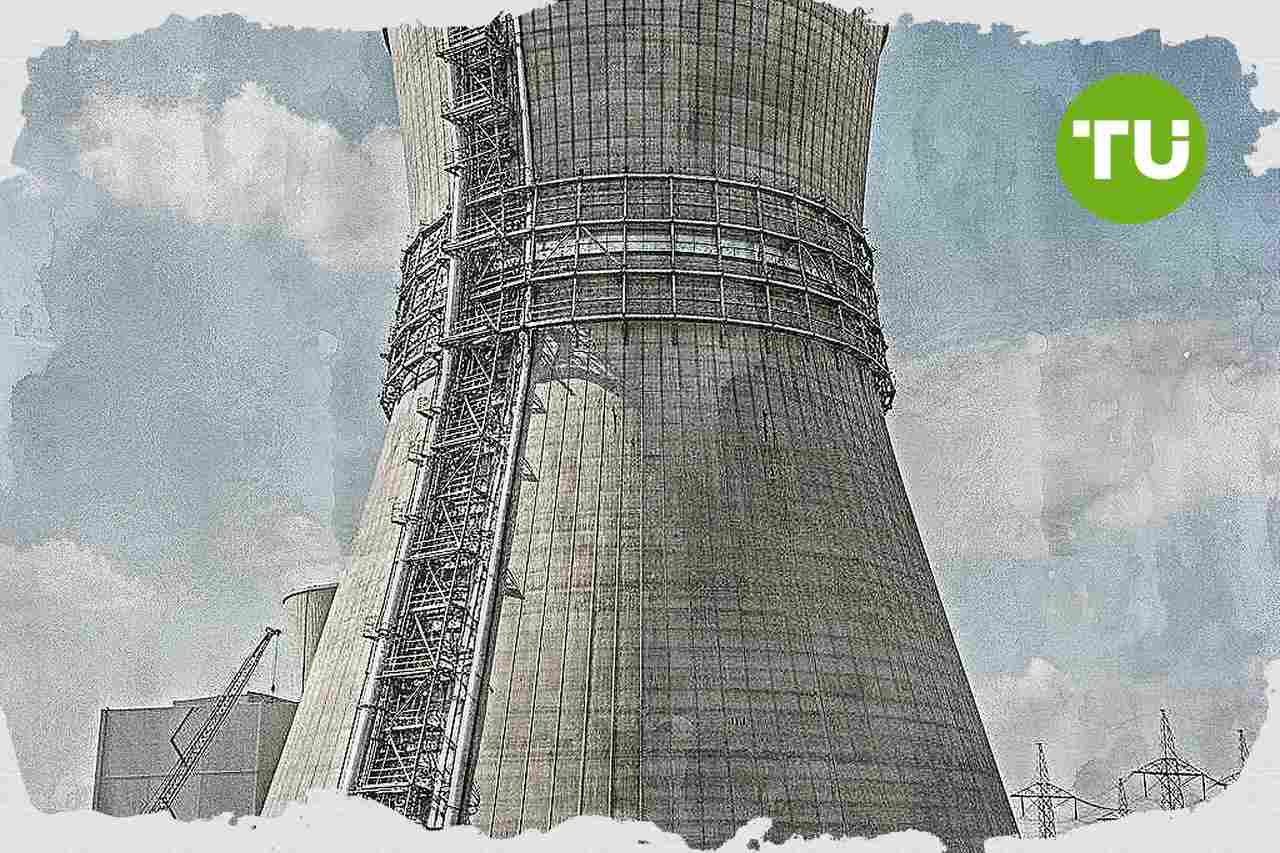
The House Appropriations Energy and Water Development and Related Agencies Subcommittee approves its Fiscal Year 2027 spending bill in Washington, D.C. The measure sets a total discretionary allocation of $58.5 billion, including higher funding than the Fiscal Year 2026 enacted level for energy, defense, water infrastructure, and grid security priorities.
Highlights
- The House Appropriations subcommittee approved a $58.5 billion FY27 energy and water spending bill, $461 million above FY26 levels.
- The bill allocates $35 billion for defense and $23.5 billion for non-defense, prioritizing baseload energy R&D and domestic critical minerals supply chains.
- Legislation funds infrastructure, flood control, drought resilience, cybersecurity for the electric grid, and modernization of nuclear weapons and the nuclear navy.
Funding plan and policy priorities
As reported by the House Committee on Appropriations, the subcommittee approves legislation that allocates $58.5 billion in discretionary spending, $461 million above the Fiscal Year 2026 enacted level. The defense portion totals $35 billion, while the non-defense portion stands at $23.5 billion.Subcommittee Chairman Chuck Fleischmann says the bill is designed to strengthen national energy security by backing research and development on baseload energy sources and maintaining funding for programs aimed at affordable energy prices. He also says the measure invests in securing domestic critical minerals supply chains and reducing reliance on foreign sources.
Infrastructure, nuclear and resilience focus
Chairman Tom Cole says the bill aligns with the administration's agenda to expand domestic critical minerals production, support technological innovation, and fund inland and coastal navigation, flood control, and drought resilience projects. He adds that the legislation also supports cybersecurity for a resilient electric grid.The measure further emphasizes nuclear capabilities, including modernization of the nuclear weapons stockpile and support for the nuclear navy. House Republicans frame the bill as advancing national security, energy production, and broader economic growth.
In our earlier report on Congress’s review of the Army’s FY27 budget request, House Armed Services Committee Chairman Mike Rogers argued that rebuilding the defense industrial base is critical to military readiness. The proposal highlighted major investments in domestic manufacturing capacity, critical minerals, and supply chain security, along with efforts to streamline procurement and speed up deployment of new capabilities.





Latest Natural Gas News








-
 Afghanistan
-
 Albania
-
 Algeria
-
 Angola
-
 Argentina
-
 Armenia
-
 Australia
-
 Austria
-
 Azerbaijan
-
 Bahamas
-
 Bahrain
-
 Bangladesh
-
 Belarus
-
 Belgium
-
 Bolivia
-
 Botswana
-
 Brazil
-
 Brunei
-
 Bulgaria
-
 Cambodia
-
 Cameroon
-
 Canada
-
 Chile
Chile
-
 China
China
-
 Colombia
-
 Congo
Congo
-
 Costa Rica
-
 Cote d'Ivoire
-
 Croatia
-
 Cuba
Cuba
-
 Cyprus
-
 Czechia
-
 DR Congo
-
 Denmark
-
 Dominican Republic
-
 Ecuador
-
 Egypt
Egypt
-
 El Salvador
-
 Estonia
-
 Eswatini
-
 Ethiopia
-
 Finland
-
 France
-
 Georgia
-
 Germany
-
 Ghana
Ghana
-
 Greece
-
 Haiti
Haiti
-
 Hong Kong
-
 Hungary
-
 India
India
-
 Indonesia
-
 Iran, Islamic republic
-
 Iraq
Iraq
-
 Ireland
-
 Israel
-
 Italy
Italy
-
 Jamaica
-
 Japan
Japan
-
 Jordan
-
 Kazakhstan
-
 Kenya
Kenya
-
 Korea
Korea
-
 Kuwait
-
 Kyrgyzstan
-
 Laos
Laos
-
 Latvia
-
 Lebanon
-
 Lesotho
-
 Libya
Libya
-
 Lithuania
-
 Luxembourg
-
 Madagascar
-
 Malaysia
-
 Malta
Malta
-
 Mauritius
-
 Mexico
-
 Moldova
-
 Mongolia
-
 Montenegro
-
 Morocco
-
 Mozambique
-
 Myanmar
-
 Namibia
-
 Nepal
Nepal
-
 Netherlands
-
 New Zealand
-
 Nigeria
-
 North Macedonia
-
 Norway
-
 Oman
Oman
-
 Pakistan
-
 Palestine
-
 Panama
-
 Papua New Guinea
-
 Paraguay
-
 Peru
Peru
-
 Philippines
-
 Poland
-
 Portugal
-
 Puerto Rico
-
 Qatar
Qatar
-
 Reunion
-
 Romania
-
 Rwanda
-
 Saudi Arabia
-
 Serbia
-
 Singapore
-
 Slovakia
-
 Slovenia
-
 Somalia
-
 South Africa
-
 Spain
Spain
-
 Sri Lanka
-
 Sweden
-
 Switzerland
-
 Syria
Syria
-
 Taiwan
-
 Tajikistan
-
 Tanzania
-
 Thailand
-
 Trinidad and Tobago
-
 Tunisia
-
 Turkey
-
 UAE
UAE
-
 Uganda
-
 Ukraine
-
 United Kingdom
-
United States
-
 Uruguay
-
 Uzbekistan
-
 Venezuela
-
 Vietnam
-
 Yemen
Yemen
-
 Zambia
-
 Zimbabwe
- Forex
- Crypto











