
EU shortlists critical minerals for joint stockpile to curb China reliance

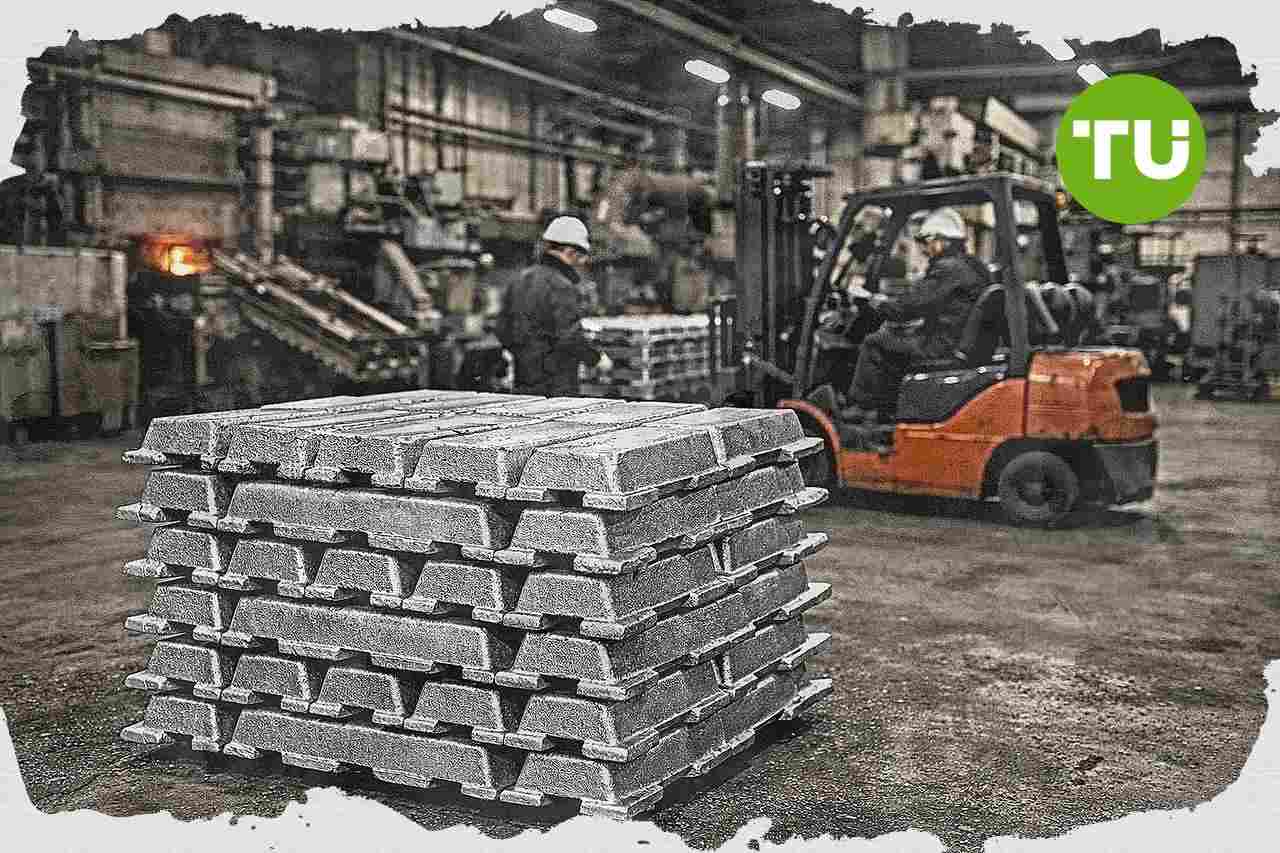
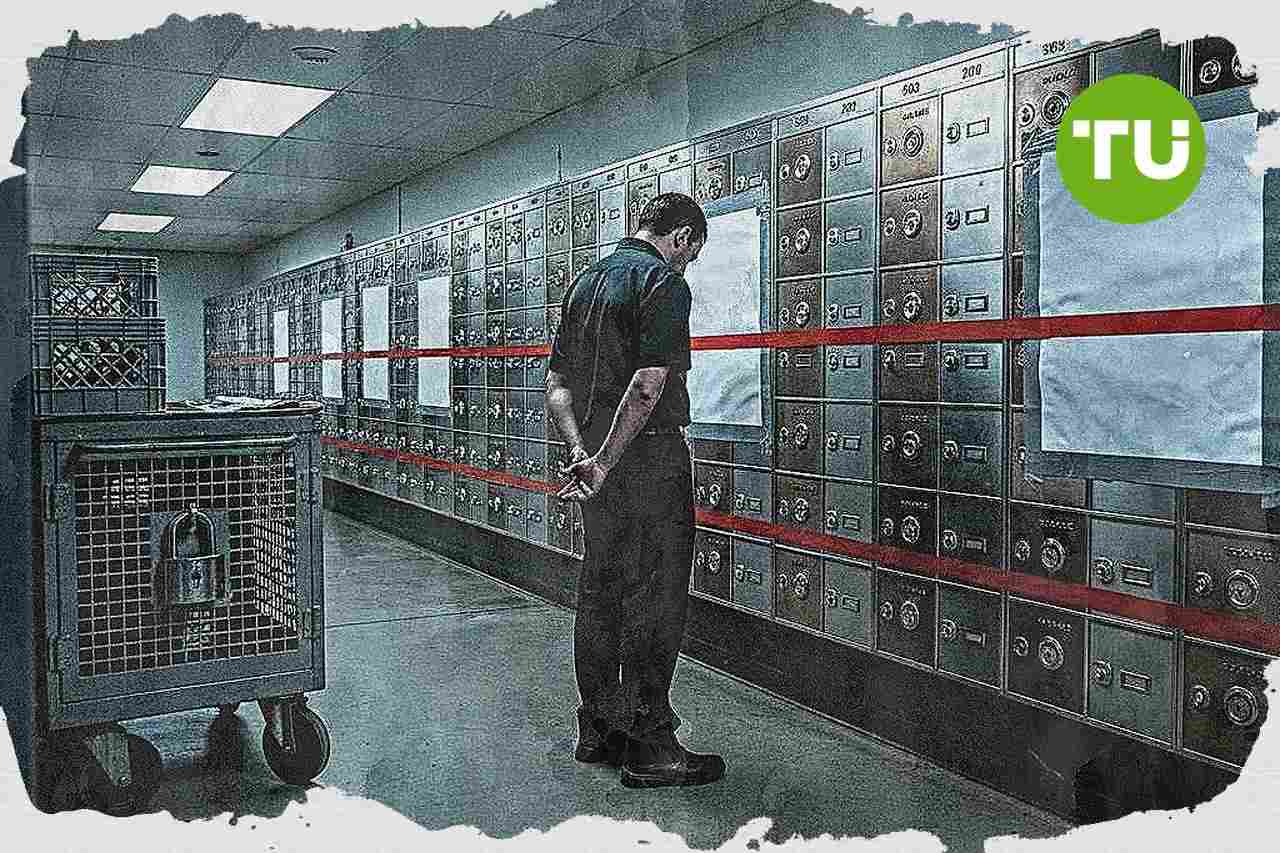
As Western economies step up efforts to secure strategic raw materials, the European Union is moving ahead with its first shared stockpile of critical minerals. Tungsten, rare earths and gallium are among the materials shortlisted as the bloc seeks to reduce supply-chain exposure to China across defence, technology and energy industries.
Highlights
- EU shortlists tungsten, rare earths, and gallium for the first joint critical mineral reserve, with magnesium, germanium, and graphite under review.
- Discussions are ongoing with major ports like Rotterdam for material storage, as the bloc seeks to reduce reliance on China's mineral exports amid recent supply chain disruptions.
- The stockpile, planned by 10 EU countries led by Italy, France, and Germany, targets both defense and technology sectors, impacting manufacturing, automotive, semiconductors, and renewables.
Stockpile planning and minerals under review
As reported by Reuters, the EU has shortlisted tungsten, rare earths and gallium for the first joint reserve, while discussions are also under way with major ports including Rotterdam in the Netherlands to store the materials.The initiative is one of the bloc's clearest steps so far to shield its economy from China's dominance in critical mineral production. Western allies, including the U.S., are also racing to build reserves after Chinese export restrictions disrupted global supply chains.
Two sources say magnesium is also on the priority list, while one says germanium and graphite are expected to be included in the final mix. Most of the minerals under consideration, except magnesium, appear on NATO's list of 12 elements considered critical to the defence industry.
Industrial and strategic implications for Europe
The minerals under review are used not only in military equipment but also in aircraft, cars, semiconductors for devices such as smartphones, and renewable energy infrastructure including wind turbines. That gives the stockpile plan significance for a wide range of European manufacturing and technology sectors.The European Commission announced the initiative in December, and 10 EU countries are taking part in planning groups led by Italy, France and Germany. France has made diversification of critical mineral supplies a priority during its G7 presidency, while the bloc is also discussing a permanent secretariat to keep the work in place beyond rotating presidencies.
A spokesperson for the Port of Rotterdam does not immediately comment, and a spokesperson for the European Commission declines to comment.
Our earlier article on UK planning reforms for critical energy infrastructure explained that Chancellor Rachel Reeves was preparing measures to let parliament fast-track major clean energy and other nationally significant projects. We noted the changes were aimed at reducing delays from judicial reviews and accelerating investment in power generation and grid connections to bolster energy security and support growth.



Latest Metals News





-
 Afghanistan
-
 Albania
-
 Algeria
-
 Angola
-
 Argentina
-
 Armenia
-
 Australia
-
 Austria
-
 Azerbaijan
-
 Bahamas
-
 Bahrain
-
 Bangladesh
-
 Belarus
-
 Belgium
-
 Bolivia
-
 Botswana
-
 Brazil
-
 Brunei
-
 Bulgaria
-
 Cambodia
-
 Cameroon
-
 Canada
-
 Chile
Chile
-
 China
China
-
 Colombia
-
 Congo
Congo
-
 Costa Rica
-
 Cote d'Ivoire
-
 Croatia
-
 Cuba
Cuba
-
 Cyprus
-
 Czechia
-
 DR Congo
-
 Denmark
-
 Dominican Republic
-
 Ecuador
-
 Egypt
Egypt
-
 El Salvador
-
 Estonia
-
 Eswatini
-
 Ethiopia
-
 Finland
-
 France
-
 Georgia
-
 Germany
-
 Ghana
Ghana
-
 Greece
-
 Haiti
Haiti
-
 Hong Kong
-
 Hungary
-
 India
India
-
 Indonesia
-
 Iran, Islamic republic
-
 Iraq
Iraq
-
 Ireland
-
 Israel
-
 Italy
Italy
-
 Jamaica
-
 Japan
Japan
-
 Jordan
-
 Kazakhstan
-
 Kenya
Kenya
-
 Korea
Korea
-
 Kuwait
-
 Kyrgyzstan
-
 Laos
Laos
-
 Latvia
-
 Lebanon
-
 Lesotho
-
 Libya
Libya
-
 Lithuania
-
 Luxembourg
-
 Madagascar
-
 Malaysia
-
 Malta
Malta
-
 Mauritius
-
 Mexico
-
 Moldova
-
 Mongolia
-
 Montenegro
-
 Morocco
-
 Mozambique
-
 Myanmar
-
 Namibia
-
 Nepal
Nepal
-
 Netherlands
-
 New Zealand
-
 Nigeria
-
 North Macedonia
-
 Norway
-
 Oman
Oman
-
 Pakistan
-
 Palestine
-
 Panama
-
 Papua New Guinea
-
 Paraguay
-
 Peru
Peru
-
 Philippines
-
 Poland
-
 Portugal
-
 Puerto Rico
-
 Qatar
Qatar
-
 Reunion
-
 Romania
-
 Rwanda
-
 Saudi Arabia
-
 Serbia
-
 Singapore
-
 Slovakia
-
 Slovenia
-
 Somalia
-
 South Africa
-
 Spain
Spain
-
 Sri Lanka
-
 Sweden
-
 Switzerland
-
 Syria
Syria
-
 Taiwan
-
 Tajikistan
-
 Tanzania
-
 Thailand
-
 Trinidad and Tobago
-
 Tunisia
-
 Turkey
-
 UAE
UAE
-
 Uganda
-
 Ukraine
-
 United Kingdom
-
United States
-
 Uruguay
-
 Uzbekistan
-
 Venezuela
-
 Vietnam
-
 Yemen
Yemen
-
 Zambia
-
 Zimbabwe
- Forex
- Crypto












