
European Commission weighs new trade tools to shield EU industry from China
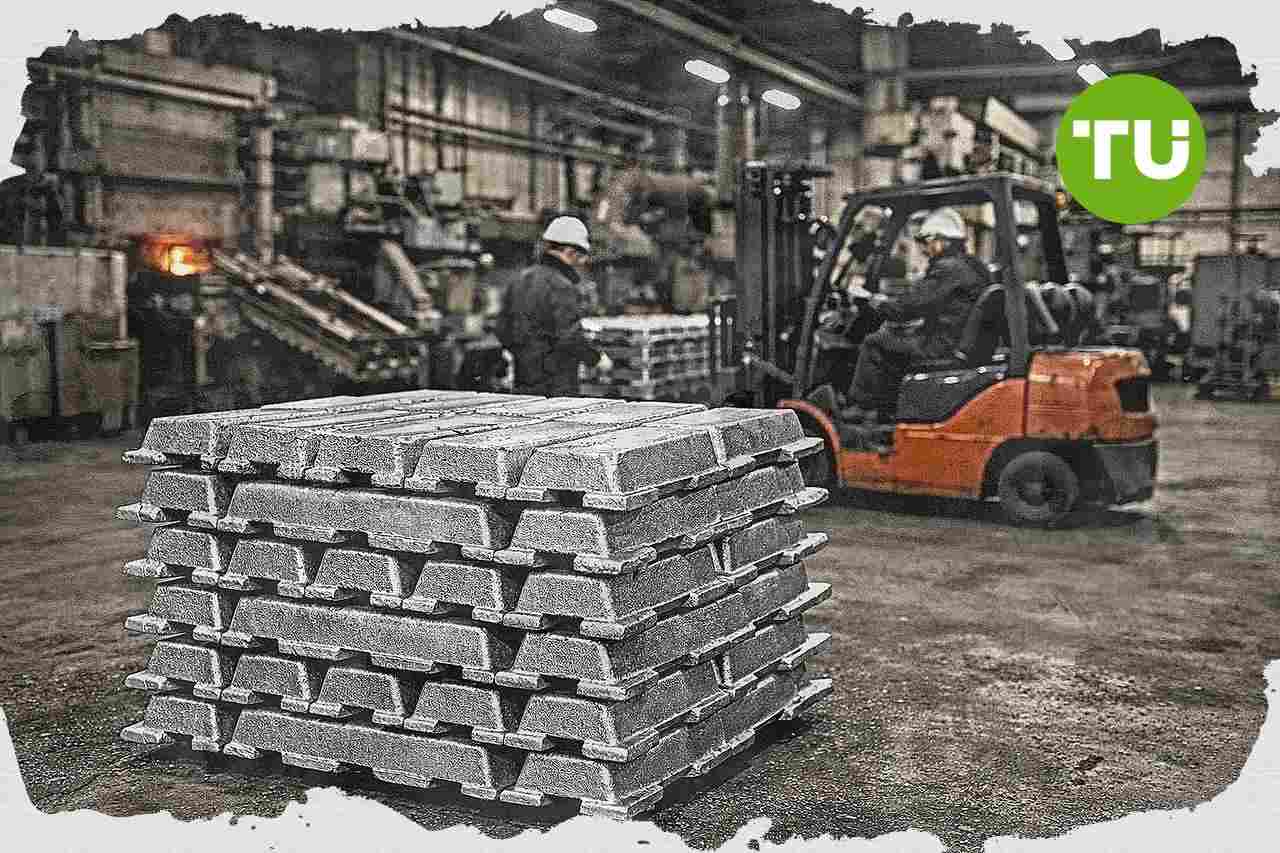
European commissioners are discussing a broader industrial and trade policy response as the bloc seeks to cut its dependence on Chinese imports and critical inputs. The debate comes ahead of an EU leaders' summit on June 18 to 19, where proposals could range from supply chain diversification requirements to tougher sector-wide trade protections.
Highlights
- European Commission considers new trade tools including mandatory supply chain diversification and restricted Chinese access in chemicals, metals, and clean technology before the June summit.
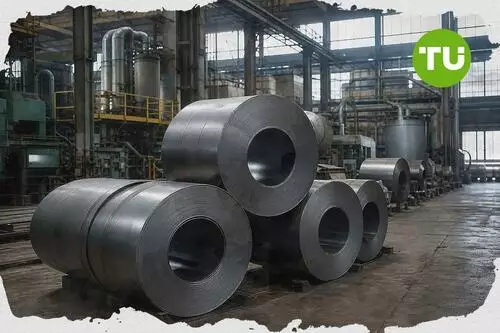
- EU aims to use existing trade measures such as import duties and quotas more systematically across industrial sectors to counter China's dominance in rare earths and strategic metals.
- China's Foreign Ministry warns of strong countermeasures against EU's proposed Buy European policy and trade restrictions, highlighting rising trade tensions ahead of the G7 summit.
Policy options before June summit
As reported by Reuters, the European Union's executive is preparing ideas to present before the June summit of EU leaders, with possible measures including obliging companies to diversify supply chains and creating new trade tools affecting Chinese access in chemicals, metals and clean technology.The discussion reflects a wider Western effort to reverse part of the offshoring wave that intensified in the early 2000s and weakened industrial capacity across the U.S. and the EU. Brussels is also trying to secure alternative sources of key inputs and critical minerals as China maintains a strong position in rare earths and other strategic metals.
Industry Commissioner Stephane Sejourne said this week that the bloc's existing trade instruments, including import duties and quotas, should be used more systematically across sectors instead of focusing only on specific companies or materials.
Industrial pressure and geopolitical fallout
The issue is also moving up the agenda of the Group of Seven, which is set to address trade imbalances and industrial overcapacity at its mid-June summit. The concerns span sectors including defence, technology, energy and automotive manufacturing, all of which depend on metals and minerals where China has significant leverage.The EU is acting while European manufacturers face structurally higher energy costs and tighter regulation than rivals in the U.S. Earlier this year, the bloc proposed a new Buy European policy and RESourceEU to speed up development of critical mineral supply chains inside the EU and through partnerships with countries from Central Asia to Australia and Brazil.
China's Foreign Ministry accused the EU on Thursday of selectively using trade data to support claims of imbalance and has repeatedly warned of strong countermeasures if Brussels adopts the Buy European policy and revised technology sovereignty measures. EU efforts to curb some Chinese imports have produced mixed results, with tariffs imposed on heavily subsidised Chinese electric vehicles but not on hybrid models, even as China's share of the European car market continues to grow.
Our earlier article on Linxens and biometric passport components examined how ownership links to Chinese investors on a U.S. export-restricted list sparked scrutiny of Europe’s document supply chains. We noted concerns about infrastructure risk, potential counterfeiting and intelligence exposure, and the limited number of alternative suppliers if restrictions were broadened or supply was disrupted.





Latest Commodities News





-
 Afghanistan
-
 Albania
-
 Algeria
-
 Angola
-
 Argentina
-
 Armenia
-
 Australia
-
 Austria
-
 Azerbaijan
-
 Bahamas
-
 Bahrain
-
 Bangladesh
-
 Belarus
-
 Belgium
-
 Bolivia
-
 Botswana
-
 Brazil
-
 Brunei
-
 Bulgaria
-
 Cambodia
-
 Cameroon
-
 Canada
-
 Chile
Chile
-
 China
China
-
 Colombia
-
 Congo
Congo
-
 Costa Rica
-
 Cote d'Ivoire
-
 Croatia
-
 Cuba
Cuba
-
 Cyprus
-
 Czechia
-
 DR Congo
-
 Denmark
-
 Dominican Republic
-
 Ecuador
-
 Egypt
Egypt
-
 El Salvador
-
 Estonia
-
 Eswatini
-
 Ethiopia
-
 Finland
-
 France
-
 Georgia
-
 Germany
-
 Ghana
Ghana
-
 Greece
-
 Haiti
Haiti
-
 Hong Kong
-
 Hungary
-
 India
India
-
 Indonesia
-
 Iran, Islamic republic
-
 Iraq
Iraq
-
 Ireland
-
 Israel
-
 Italy
Italy
-
 Jamaica
-
 Japan
Japan
-
 Jordan
-
 Kazakhstan
-
 Kenya
Kenya
-
 Korea
Korea
-
 Kuwait
-
 Kyrgyzstan
-
 Laos
Laos
-
 Latvia
-
 Lebanon
-
 Lesotho
-
 Libya
Libya
-
 Lithuania
-
 Luxembourg
-
 Madagascar
-
 Malaysia
-
 Malta
Malta
-
 Mauritius
-
 Mexico
-
 Moldova
-
 Mongolia
-
 Montenegro
-
 Morocco
-
 Mozambique
-
 Myanmar
-
 Namibia
-
 Nepal
Nepal
-
 Netherlands
-
 New Zealand
-
 Nigeria
-
 North Macedonia
-
 Norway
-
 Oman
Oman
-
 Pakistan
-
 Palestine
-
 Panama
-
 Papua New Guinea
-
 Paraguay
-
 Peru
Peru
-
 Philippines
-
 Poland
-
 Portugal
-
 Puerto Rico
-
 Qatar
Qatar
-
 Reunion
-
 Romania
-
 Rwanda
-
 Saudi Arabia
-
 Serbia
-
 Singapore
-
 Slovakia
-
 Slovenia
-
 Somalia
-
 South Africa
-
 Spain
Spain
-
 Sri Lanka
-
 Sweden
-
 Switzerland
-
 Syria
Syria
-
 Taiwan
-
 Tajikistan
-
 Tanzania
-
 Thailand
-
 Trinidad and Tobago
-
 Tunisia
-
 Turkey
-
 UAE
UAE
-
 Uganda
-
 Ukraine
-
 United Kingdom
-
United States
-
 Uruguay
-
 Uzbekistan
-
 Venezuela
-
 Vietnam
-
 Yemen
Yemen
-
 Zambia
-
 Zimbabwe
- Forex
- Crypto












