
U.S. House panel reviews equity market rules as Wagner backs liquidity, innovation

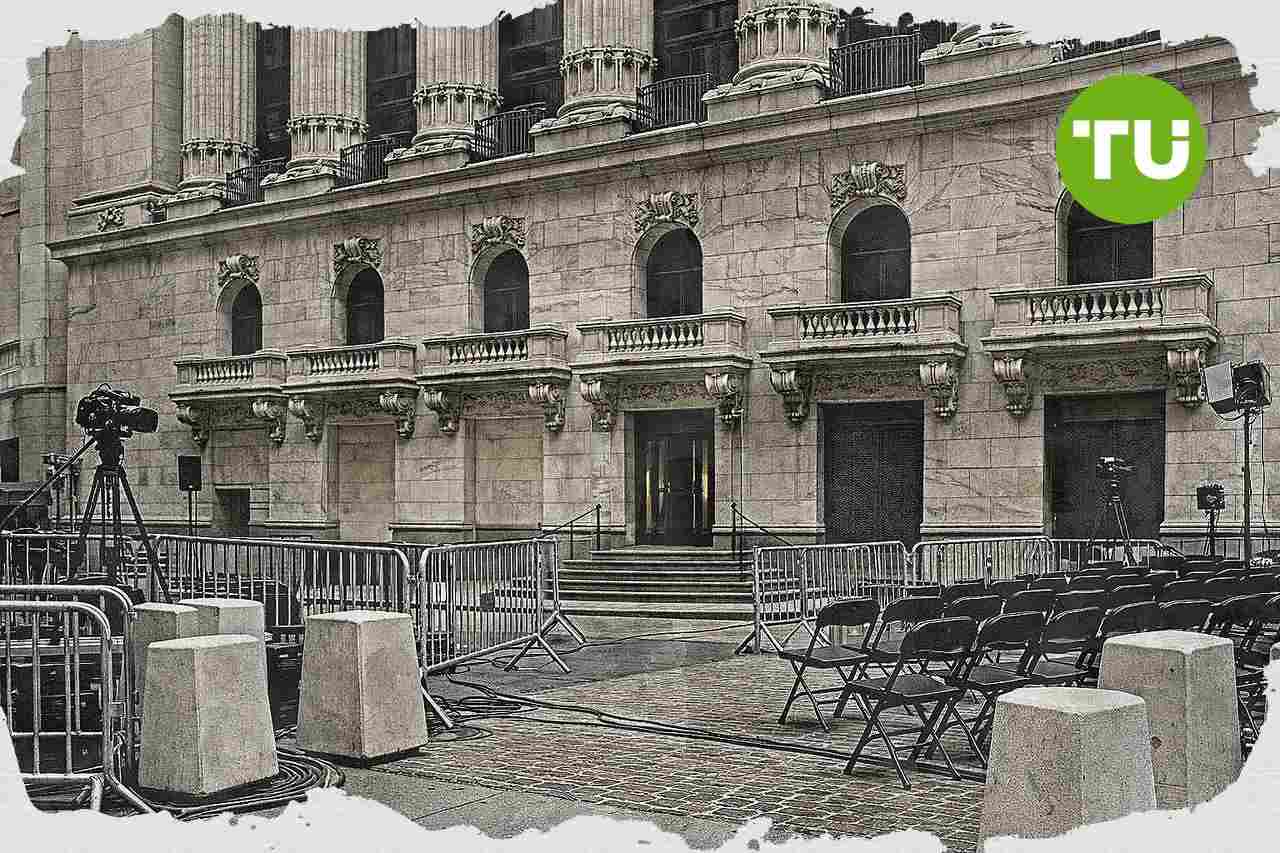
U.S. lawmakers are reviewing whether longstanding equity market rules still support competitive trading and capital formation as market volumes and technology continue to evolve. The discussion centers on whether older SEC framework rules, including parts of Regulation National Market System, now add inefficiencies or barriers for investors, exchanges and new entrants.
Highlights
- House Capital Markets Subcommittee hearing, chaired by Anne Wagner, reviews whether current equity market regulations remain effective for fast, tech-driven markets.
- Retail investment volumes rose nearly 50% from 2023 to 2025, while U.S. equity trading exceeded $1 trillion in a single day earlier this year.
- The hearing considers modernizing Regulation NMS and reducing compliance costs to better support capital formation, competition, and innovation in U.S. markets.
Hearing focuses on market structure overhaul
As reported by the House Committee on Financial Services, the Capital Markets Subcommittee is holding a hearing chaired by Representative Anne Wagner to assess how effectively current regulations support competitive and dynamic equity markets. The review revisits the structure of U.S. equity trading at a time when policymakers are weighing whether legacy rules still fit a faster, more technology-driven market.Wagner says earlier SEC proposals under former Chair Gary Gensler did not take effect and argues investors continue to benefit from fast, efficient and fair markets. She says zero-commission trading, which became an industry standard in 2019, has helped expand household participation in U.S. markets, while retail investment volumes rose by nearly 50% between 2023 and 2025.
The hearing also examines Regulation National Market System, or Reg NMS, which has governed market structure for more than two decades. Wagner says technology has advanced, order routing has grown more complex and compliance costs have increased, raising questions about whether rules such as Rule 611, the Trade-Through Rule, still deliver the best outcomes for investors.
Capital formation and competitive impact
Wagner links equity market structure directly to capital formation and says regulations should support new offerings rather than hinder them. She points to U.S. equity trading surpassing $1 trillion in a single day earlier this year as evidence of the scale, liquidity and resilience of the market.That level of trading activity, she says, helps explain why companies worldwide continue to choose U.S. exchanges for public listings. In her view, preserving high liquidity and encouraging innovative technology remain essential to keeping U.S. capital markets attractive for IPOs, secondary offerings and broader fundraising activity.
The hearing also raises broader competitive questions about whether a growing number of exchanges strengthens competition or mainly increases compliance costs, and whether current rules create obstacles for new market entrants. Wagner says the SEC's ongoing review under Chair Paul Atkins is an opportunity to modernize the framework so regulations evolve with the market rather than impose costs that investors ultimately bear.
Our earlier article on Lincoln International’s IPO highlighted the firm’s public debut on the NYSE, where the shares opened above the $20 offer price after a 21 million-share sale. We also noted that the deal raised $421 million and stood out because investment bank IPOs in New York have been relatively rare in recent years.





Latest IPO News






-
 Afghanistan
-
 Albania
-
 Algeria
-
 Angola
-
 Argentina
-
 Armenia
-
 Australia
-
 Austria
-
 Azerbaijan
-
 Bahamas
-
 Bahrain
-
 Bangladesh
-
 Belarus
-
 Belgium
-
 Bolivia
-
 Botswana
-
 Brazil
-
 Brunei
-
 Bulgaria
-
 Cambodia
-
 Cameroon
-
 Canada
-
 Chile
Chile
-
 China
China
-
 Colombia
-
 Congo
Congo
-
 Costa Rica
-
 Cote d'Ivoire
-
 Croatia
-
 Cuba
Cuba
-
 Cyprus
-
 Czechia
-
 DR Congo
-
 Denmark
-
 Dominican Republic
-
 Ecuador
-
 Egypt
Egypt
-
 El Salvador
-
 Estonia
-
 Eswatini
-
 Ethiopia
-
 Finland
-
 France
-
 Georgia
-
 Germany
-
 Ghana
Ghana
-
 Greece
-
 Haiti
Haiti
-
 Hong Kong
-
 Hungary
-
 India
India
-
 Indonesia
-
 Iran, Islamic republic
-
 Iraq
Iraq
-
 Ireland
-
 Israel
-
 Italy
Italy
-
 Jamaica
-
 Japan
Japan
-
 Jordan
-
 Kazakhstan
-
 Kenya
Kenya
-
 Korea
Korea
-
 Kuwait
-
 Kyrgyzstan
-
 Laos
Laos
-
 Latvia
-
 Lebanon
-
 Lesotho
-
 Libya
Libya
-
 Lithuania
-
 Luxembourg
-
 Madagascar
-
 Malaysia
-
 Malta
Malta
-
 Mauritius
-
 Mexico
-
 Moldova
-
 Mongolia
-
 Montenegro
-
 Morocco
-
 Mozambique
-
 Myanmar
-
 Namibia
-
 Nepal
Nepal
-
 Netherlands
-
 New Zealand
-
 Nigeria
-
 North Macedonia
-
 Norway
-
 Oman
Oman
-
 Pakistan
-
 Palestine
-
 Panama
-
 Papua New Guinea
-
 Paraguay
-
 Peru
Peru
-
 Philippines
-
 Poland
-
 Portugal
-
 Puerto Rico
-
 Qatar
Qatar
-
 Reunion
-
 Romania
-
 Rwanda
-
 Saudi Arabia
-
 Serbia
-
 Singapore
-
 Slovakia
-
 Slovenia
-
 Somalia
-
 South Africa
-
 Spain
Spain
-
 Sri Lanka
-
 Sweden
-
 Switzerland
-
 Syria
Syria
-
 Taiwan
-
 Tajikistan
-
 Tanzania
-
 Thailand
-
 Trinidad and Tobago
-
 Tunisia
-
 Turkey
-
 UAE
UAE
-
 Uganda
-
 Ukraine
-
 United Kingdom
-
United States
-
 Uruguay
-
 Uzbekistan
-
 Venezuela
-
 Vietnam
-
 Yemen
Yemen
-
 Zambia
-
 Zimbabwe
- Forex
- Crypto












