
Trump sets Iran deal conditions as U.S. weighs final war-ending decision
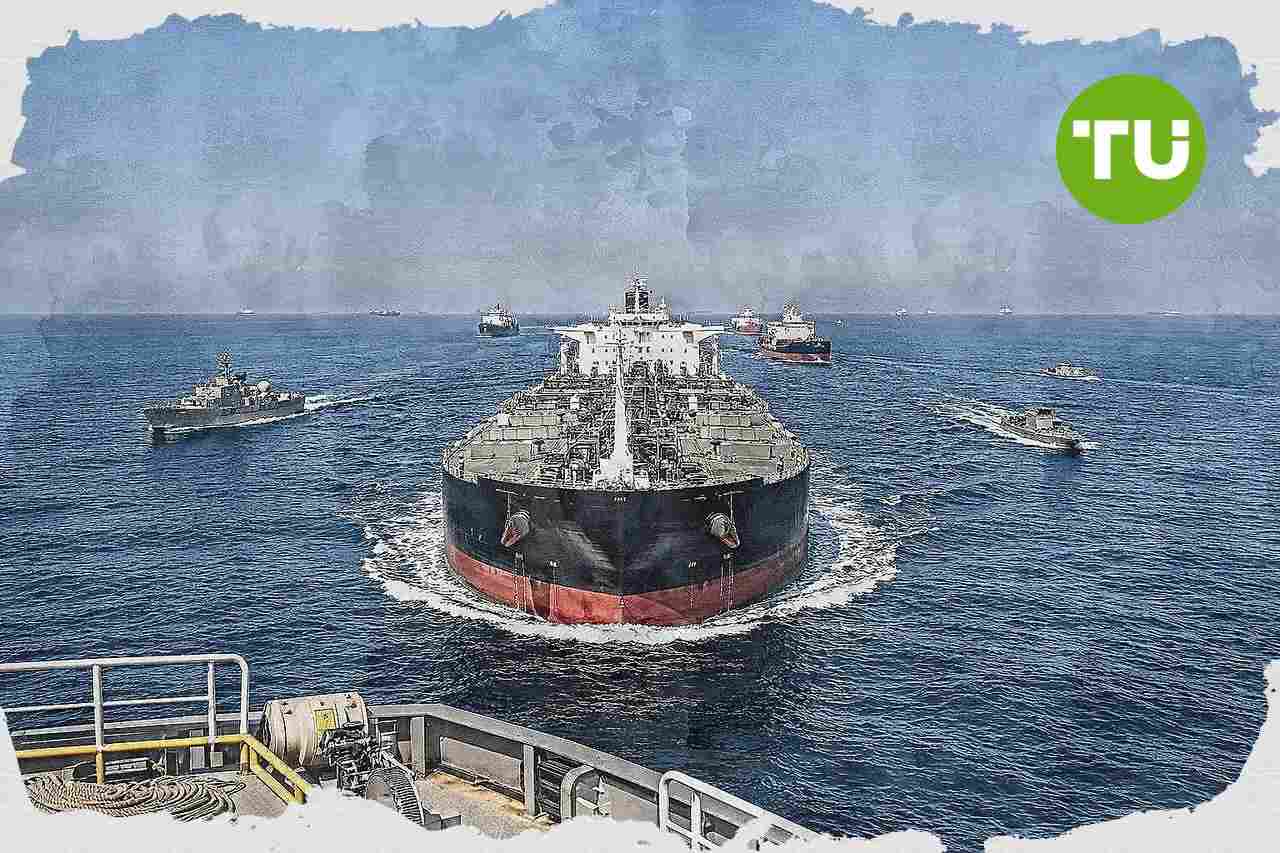
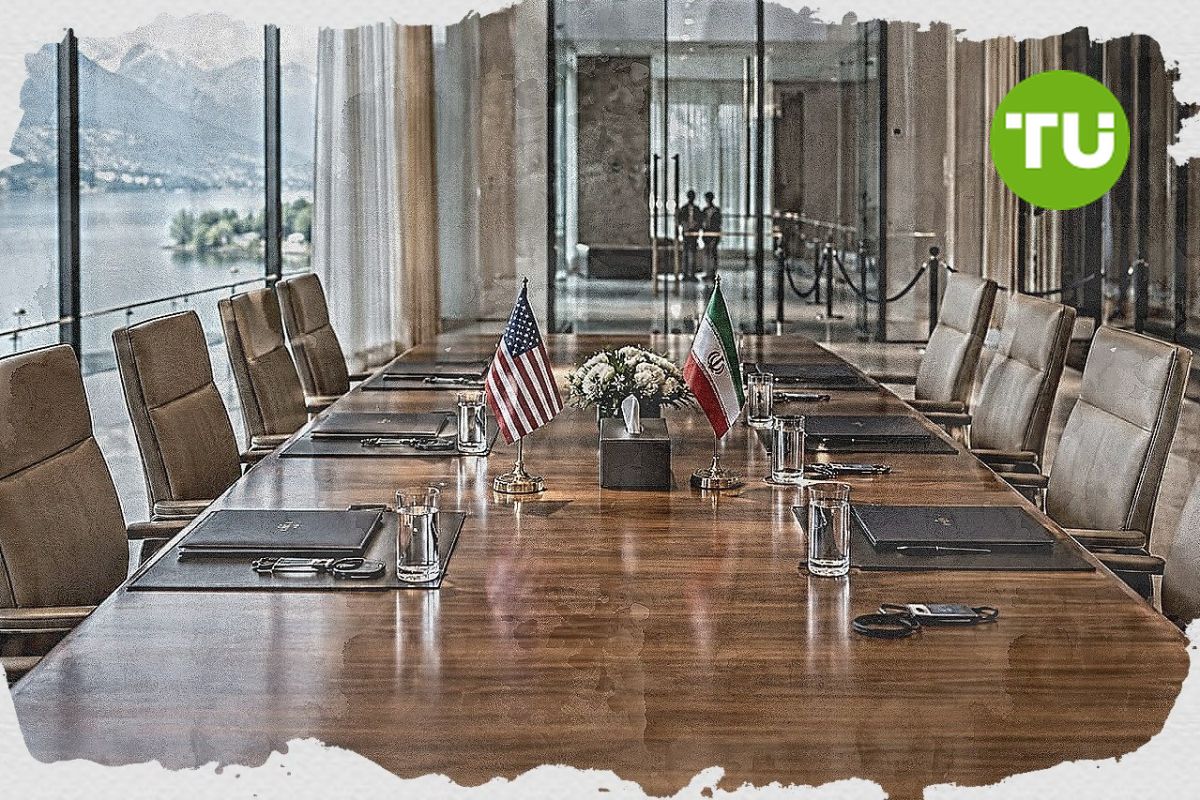
With tensions centered on shipping access and nuclear safeguards, Donald Trump says he is moving toward a final decision on terms for a deal to end the war with Iran. The conditions he lists include a permanent bar on an Iranian nuclear weapon and the immediate reopening of the Strait of Hormuz to unrestricted traffic.
Highlights
- Trump demands Iran never acquire nuclear weapons, immediate reopening of the Strait of Hormuz for unrestricted shipping, and removal of any remaining water mines as conditions for a deal.
- Trump states no money will be exchanged under the agreement until further notice and that enriched material buried after a U.S. B2 bomber attack 11 months ago will be jointly unearthed and destroyed with Iran and the IAEA.
- The proposed settlement's focus on reopening the Strait of Hormuz places energy transport, oil markets, shipping companies, and insurers at the center of regional market implications.
Deal terms and decision timeline
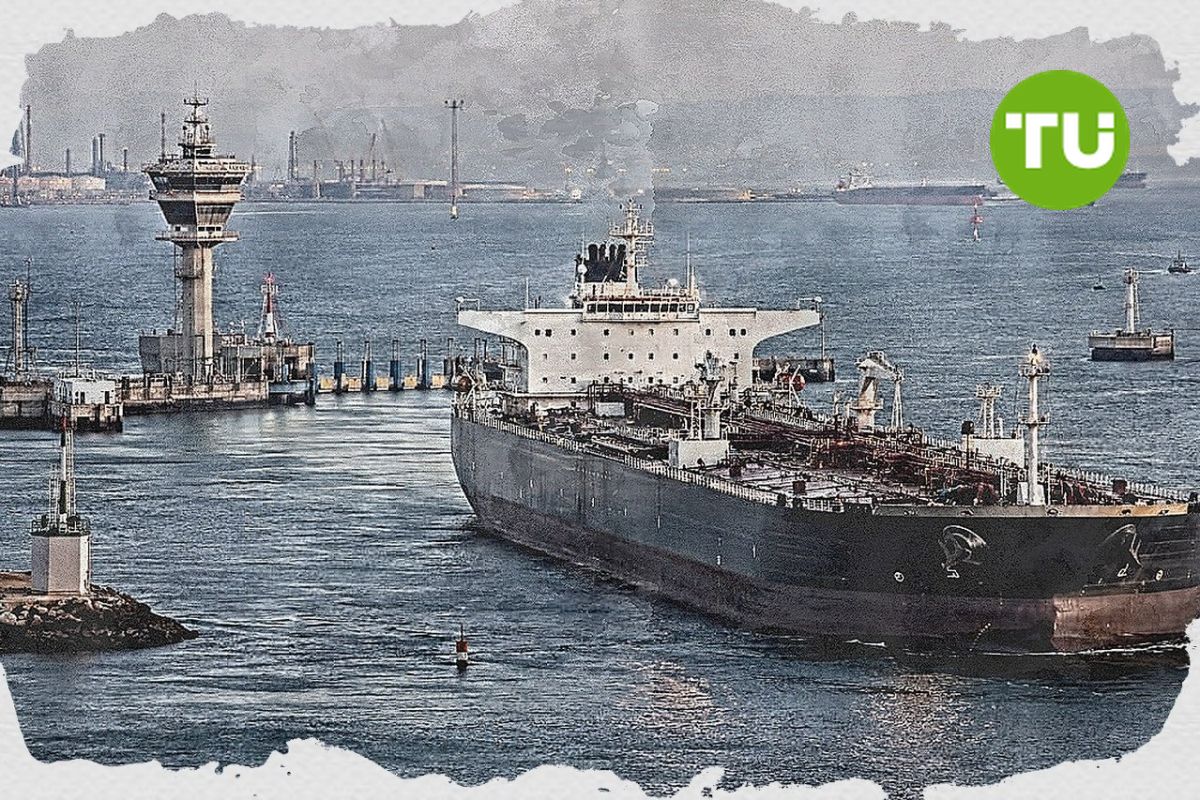
In a Truth Social post cited by CNBC, Trump says he is meeting in the Situation Room to make a final determination after setting out the steps Iran must take for him to approve an agreement. He says Iran must agree never to have a nuclear weapon and that the Strait of Hormuz must be opened immediately, with no tolls and unrestricted shipping in both directions.Trump also says water mines in the strait, if any remain, must be removed or detonated, adding that numerous mines have already been destroyed. He says ships held up by what he describes as a naval blockade may begin heading home once that blockade is lifted.
In the same post, Trump says enriched material buried underground after a U.S. B2 bomber attack 11 months ago would be unearthed by the United States in coordination with Iran and the International Atomic Energy Agency, then destroyed. He adds that no money will be exchanged until further notice and says other less important items have already been agreed.
Shipping and regional market implications
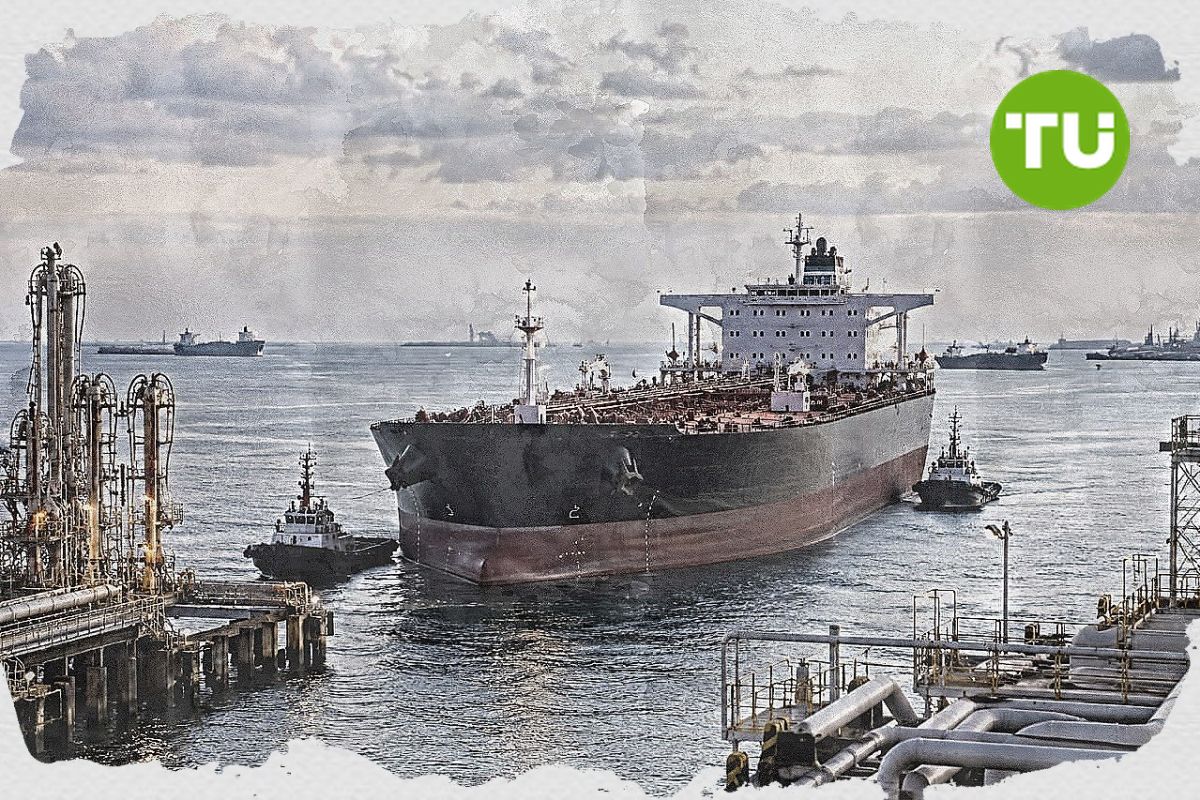
The focus on the Strait of Hormuz places energy transport and maritime trade at the center of the proposed settlement. Any immediate reopening of the waterway would be closely watched by oil markets, shipping companies and insurers because the route remains a critical corridor for regional exports.The demand for nuclear restrictions also keeps international monitoring at the forefront of any agreement. By linking shipping access, mine clearance and nuclear material disposal, the U.S. frames the talks around both security conditions and the restoration of commercial traffic across one of the world's most important trade chokepoints.
Our earlier article on the 60-day U.S.-Iran ceasefire memorandum explained that markets quickly showed “headline fatigue,” with initial equity gains fading as investors waited for a firmer, signed agreement. We noted that while easing tensions briefly supported risk sentiment and helped cool oil prices, investors stayed cautious amid uncertainty over approvals and the risk the deal could still stall.








-
 Afghanistan
-
 Albania
-
 Algeria
-
 Angola
-
 Argentina
-
 Armenia
-
 Australia
-
 Austria
-
 Azerbaijan
-
 Bahamas
-
 Bahrain
-
 Bangladesh
-
 Belarus
-
 Belgium
-
 Bolivia
-
 Botswana
-
 Brazil
-
 Brunei
-
 Bulgaria
-
 Cambodia
-
 Cameroon
-
 Canada
-
 Chile
Chile
-
 China
China
-
 Colombia
-
 Congo
Congo
-
 Costa Rica
-
 Cote d'Ivoire
-
 Croatia
-
 Cuba
Cuba
-
 Cyprus
-
 Czechia
-
 DR Congo
-
 Denmark
-
 Dominican Republic
-
 Ecuador
-
 Egypt
Egypt
-
 El Salvador
-
 Estonia
-
 Eswatini
-
 Ethiopia
-
 Finland
-
 France
-
 Georgia
-
 Germany
-
 Ghana
Ghana
-
 Greece
-
 Haiti
Haiti
-
 Hong Kong
-
 Hungary
-
 India
India
-
 Indonesia
-
 Iran, Islamic republic
-
 Iraq
Iraq
-
 Ireland
-
 Israel
-
 Italy
Italy
-
 Jamaica
-
 Japan
Japan
-
 Jordan
-
 Kazakhstan
-
 Kenya
Kenya
-
 Korea
Korea
-
 Kuwait
-
 Kyrgyzstan
-
 Laos
Laos
-
 Latvia
-
 Lebanon
-
 Lesotho
-
 Libya
Libya
-
 Lithuania
-
 Luxembourg
-
 Madagascar
-
 Malaysia
-
 Malta
Malta
-
 Mauritius
-
 Mexico
-
 Moldova
-
 Mongolia
-
 Montenegro
-
 Morocco
-
 Mozambique
-
 Myanmar
-
 Namibia
-
 Nepal
Nepal
-
 Netherlands
-
 New Zealand
-
 Nigeria
-
 North Macedonia
-
 Norway
-
 Oman
Oman
-
 Pakistan
-
 Palestine
-
 Panama
-
 Papua New Guinea
-
 Paraguay
-
 Peru
Peru
-
 Philippines
-
 Poland
-
 Portugal
-
 Puerto Rico
-
 Qatar
Qatar
-
 Reunion
-
 Romania
-
 Rwanda
-
 Saudi Arabia
-
 Serbia
-
 Singapore
-
 Slovakia
-
 Slovenia
-
 Somalia
-
 South Africa
-
 Spain
Spain
-
 Sri Lanka
-
 Sweden
-
 Switzerland
-
 Syria
Syria
-
 Taiwan
-
 Tajikistan
-
 Tanzania
-
 Thailand
-
 Trinidad and Tobago
-
 Tunisia
-
 Turkey
-
 UAE
UAE
-
 Uganda
-
 Ukraine
-
 United Kingdom
-
United States
-
 Uruguay
-
 Uzbekistan
-
 Venezuela
-
 Vietnam
-
 Yemen
Yemen
-
 Zambia
-
 Zimbabwe
- Forex
- Crypto












