
Trump administration to appeal ruling expanding tariff refund claims
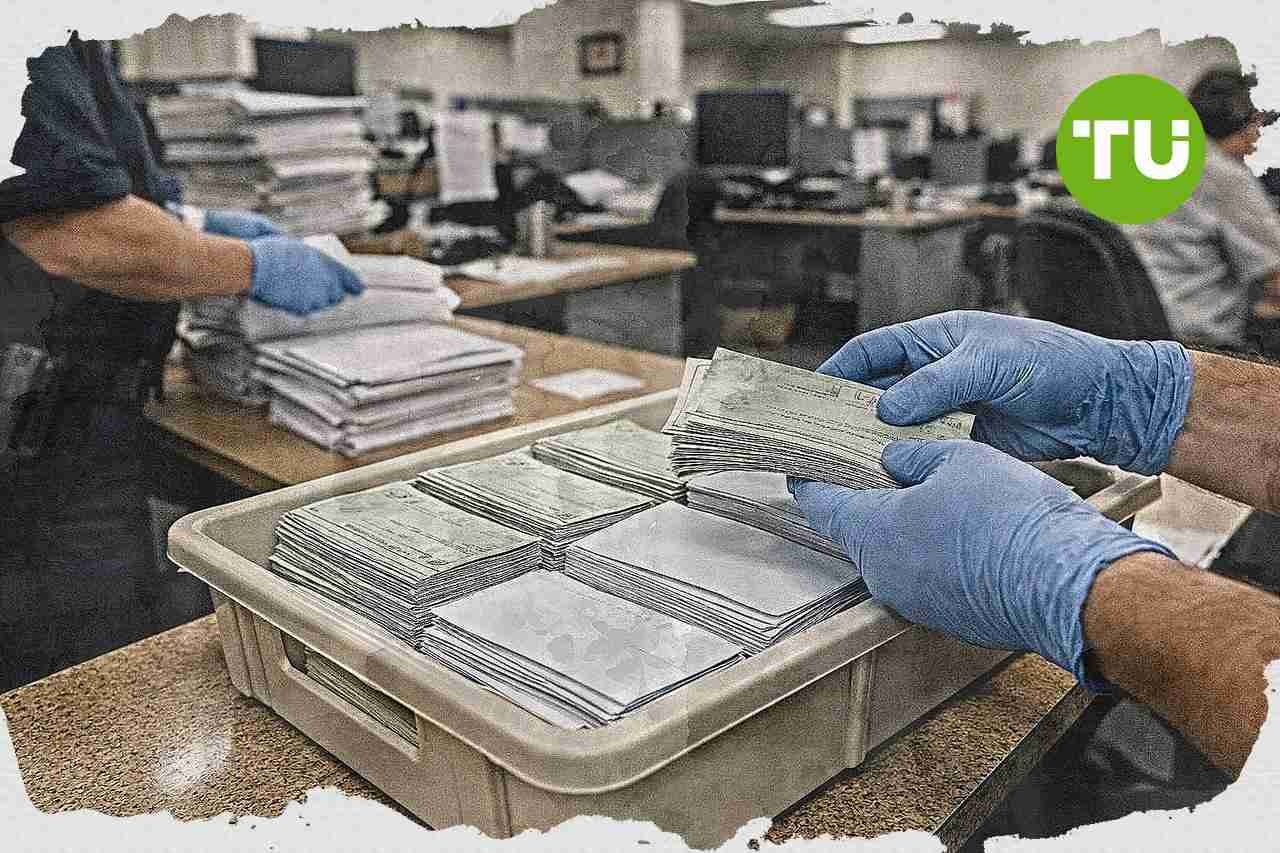
Importers are receiving refunds after the U.S. Supreme Court ruled that Donald Trump lacked authority to impose broad reciprocal tariffs on goods from nearly every country. The repayment effort now faces fresh uncertainty because the administration says it will challenge a court order that opens refunds to all affected companies, not only those that sued.
Highlights
- As of May 22, CBP had accepted refund claims totaling $85 billion, over half of the estimated $166 billion owed, and directed $20.6 billion for distribution.
- The Trump administration is appealing a federal court order expanding tariff refund eligibility to all payers, which could delay repayments and exclude importers who did not file lawsuits.
- Large retailers like Walmart and Costco plan price cuts or member refunds if repayments proceed, while smaller firms have received partial sums—e.g., Manscaped obtained 30% of a $12 million claim.
Refund process faces legal challenge
As reported by The Associated Press, the Trump administration says it plans to appeal a federal trade court order that allows all companies that paid the invalidated duties to seek refunds. The move comes as U.S. Customs and Border Protection, or CBP, is already processing claims after the Supreme Court struck down the tariffs tied to the 1977 International Emergency Economic Powers Act.Refunds reached the first successful applicants on May 12, roughly three weeks after importers and customs brokers could start filing claims. In a court filing earlier in the week, CBP said it had accepted applications totaling $85 billion as of May 22, more than half of the $166 billion it estimates is owed, and had directed the Treasury Department to issue $20.6 billion.
The appeal plans surfaced in a Justice Department filing opposing Judge Richard K. Eaton's demand that CBP Commissioner Rodney Scott appear in the U.S. Court of International Trade on June 9. Government lawyers argued Eaton went beyond his authority by deciding that all importers of record are entitled to refunds, while saying CBP would keep moving as quickly as it can in a phased process for businesses that filed legal complaints.
CBP is prioritizing claims that were not finalized before the Supreme Court's 6-3 decision on Feb. 20, saying those entries are easier to process because they remain open in its system. The Justice Department also says the agency needs technology upgrades and importer-specific court orders before it can recalculate older liquidated accounts.
Retailers and small businesses await broader impact
More than 1,000 companies filed lawsuits to recover tariff costs, but it remains unclear how many importers paid the duties without suing and could be excluded if the administration succeeds on appeal. Ryan Majerus, a partner at King & Spaulding, says the dispute likely affects only a fraction of importers, mainly those tied to older entries in the customs process.Barry Appleton, a professor at New York Law School and managing partner of Appleton & Associates International Lawyers, says an appeal could still slow repayments significantly even after the administration lost before the Supreme Court. In his view, delaying distributions would let the Treasury hold the money for additional months while litigation continues.
Large retailers say refunds could support lower prices for consumers. Walmart finance chief John David Rainey says the company plans price cuts even though its potential refund equals less than half of 1% of annual U.S. sales, while Costco says it intends to return tariff costs passed on to members, depending on the size and timing of any repayment and related litigation.
Shipping companies including FedEx, UPS and DHL may also become an early channel for refunds because they acted as customs brokers on overseas orders. Each says it will pass through any refunds it receives to the customers that originally paid the import taxes.
Smaller companies say the repayments are important for balance sheets and operations after more than a year of added costs. Basic Fun CEO Jay Foreman says his company received about $450,000, or 7% of its claim, while Manscaped President Kevin Datoo says the company has received about 30% of the $12 million it requested, and Greenbar Distillery owner Melkon Khosrovian says he has received $18,000 of roughly $90,000 sought.
Our earlier report examined how the U.S. Treasury is framing the Trump administration’s trade and tariff agenda as a national-security strategy aimed at reducing reliance on foreign suppliers and rebuilding domestic industrial capacity. It highlighted a policy push toward reciprocity, resilient supply chains and the expanded use of tariffs and trade investigations across critical sectors such as semiconductors, pharmaceuticals and shipping.











-
 Afghanistan
-
 Albania
-
 Algeria
-
 Angola
-
 Argentina
-
 Armenia
-
 Australia
-
 Austria
-
 Azerbaijan
-
 Bahamas
-
 Bahrain
-
 Bangladesh
-
 Belarus
-
 Belgium
-
 Bolivia
-
 Botswana
-
 Brazil
-
 Brunei
-
 Bulgaria
-
 Cambodia
-
 Cameroon
-
 Canada
-
 Chile
Chile
-
 China
China
-
 Colombia
-
 Congo
Congo
-
 Costa Rica
-
 Cote d'Ivoire
-
 Croatia
-
 Cuba
Cuba
-
 Cyprus
-
 Czechia
-
 DR Congo
-
 Denmark
-
 Dominican Republic
-
 Ecuador
-
 Egypt
Egypt
-
 El Salvador
-
 Estonia
-
 Eswatini
-
 Ethiopia
-
 Finland
-
 France
-
 Georgia
-
 Germany
-
 Ghana
Ghana
-
 Greece
-
 Haiti
Haiti
-
 Hong Kong
-
 Hungary
-
 India
India
-
 Indonesia
-
 Iran, Islamic republic
-
 Iraq
Iraq
-
 Ireland
-
 Israel
-
 Italy
Italy
-
 Jamaica
-
 Japan
Japan
-
 Jordan
-
 Kazakhstan
-
 Kenya
Kenya
-
 Korea
Korea
-
 Kuwait
-
 Kyrgyzstan
-
 Laos
Laos
-
 Latvia
-
 Lebanon
-
 Lesotho
-
 Libya
Libya
-
 Lithuania
-
 Luxembourg
-
 Madagascar
-
 Malaysia
-
 Malta
Malta
-
 Mauritius
-
 Mexico
-
 Moldova
-
 Mongolia
-
 Montenegro
-
 Morocco
-
 Mozambique
-
 Myanmar
-
 Namibia
-
 Nepal
Nepal
-
 Netherlands
-
 New Zealand
-
 Nigeria
-
 North Macedonia
-
 Norway
-
 Oman
Oman
-
 Pakistan
-
 Palestine
-
 Panama
-
 Papua New Guinea
-
 Paraguay
-
 Peru
Peru
-
 Philippines
-
 Poland
-
 Portugal
-
 Puerto Rico
-
 Qatar
Qatar
-
 Reunion
-
 Romania
-
 Rwanda
-
 Saudi Arabia
-
 Serbia
-
 Singapore
-
 Slovakia
-
 Slovenia
-
 Somalia
-
 South Africa
-
 Spain
Spain
-
 Sri Lanka
-
 Sweden
-
 Switzerland
-
 Syria
Syria
-
 Taiwan
-
 Tajikistan
-
 Tanzania
-
 Thailand
-
 Trinidad and Tobago
-
 Tunisia
-
 Turkey
-
 UAE
UAE
-
 Uganda
-
 Ukraine
-
 United Kingdom
-
United States
-
 Uruguay
-
 Uzbekistan
-
 Venezuela
-
 Vietnam
-
 Yemen
Yemen
-
 Zambia
-
 Zimbabwe
- Forex
- Crypto











