


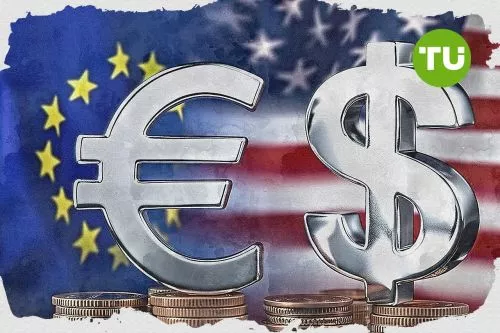
The euro started June holding above the 1.1600 level against the US dollar, although the upward momentum has noticeably weakened. The key theme for the currency market remains the ECB meeting on June 11.

Following the acceleration of inflation in the eurozone to 3%, central bank officials have increasingly signaled the need for policy tightening. The market has already almost fully priced in a 25 basis point rate hike, which is supporting the single currency.
The fed is not rushing to ease its stance
Despite expectations of more aggressive action from the ECB, the US dollar remains resilient due to elevated inflation in the United States and the cautious stance of the Federal Reserve. The US central bank is still not providing clear signals about imminent rate cuts, keeping Treasury yields at elevated levels. As a result, EUR/USD remains capped on the upside, with attempts to break toward 1.1700 continuing to meet selling pressure.
Geopolitics and oil influence the currency market again
An additional factor is the situation in the Middle East. Rising oil prices are increasing inflation risks for both Europe and the United States, forcing central banks to remain cautious. The energy factor has been one of the reasons behind the ECB’s shift in rhetoric in recent weeks. Any news regarding Iran, oil supply, or new sanctions could sharply increase volatility in EUR/USD in the coming days.
Near-term outlook
In the short term, the pair may remain within the 1.1580–1.1700 range. However, the inability of buyers to break the upper boundary increases the risk of a drop below the 1.1600–1.1580 support area, with a potential move toward 1.1550–1.1500, as previously mentioned in Euro rebounds toward 1.1660 amid dollar weakness and ECB expectations. A breakout above resistance would open the way toward 1.1750–1.1780.





Latest EUR/USD News




-
 Afghanistan
-
 Albania
-
 Algeria
-
 Angola
-
 Argentina
-
 Armenia
-
 Australia
-
 Austria
-
 Azerbaijan
-
 Bahamas
-
 Bahrain
-
 Bangladesh
-
 Belarus
-
 Belgium
-
 Bolivia
-
 Botswana
-
 Brazil
-
 Brunei
-
 Bulgaria
-
 Cambodia
-
 Cameroon
-
 Canada
-
 Chile
Chile
-
 China
China
-
 Colombia
-
 Congo
Congo
-
 Costa Rica
-
 Cote d'Ivoire
-
 Croatia
-
 Cuba
Cuba
-
 Cyprus
-
 Czechia
-
 DR Congo
-
 Denmark
-
 Dominican Republic
-
 Ecuador
-
 Egypt
Egypt
-
 El Salvador
-
 Estonia
-
 Eswatini
-
 Ethiopia
-
 Finland
-
 France
-
 Georgia
-
 Germany
-
 Ghana
Ghana
-
 Greece
-
 Haiti
Haiti
-
 Hong Kong
-
 Hungary
-
 India
India
-
 Indonesia
-
 Iran, Islamic republic
-
 Iraq
Iraq
-
 Ireland
-
 Israel
-
 Italy
Italy
-
 Jamaica
-
 Japan
Japan
-
 Jordan
-
 Kazakhstan
-
 Kenya
Kenya
-
 Korea
Korea
-
 Kuwait
-
 Kyrgyzstan
-
 Laos
Laos
-
 Latvia
-
 Lebanon
-
 Lesotho
-
 Libya
Libya
-
 Lithuania
-
 Luxembourg
-
 Madagascar
-
 Malaysia
-
 Malta
Malta
-
 Mauritius
-
 Mexico
-
 Moldova
-
 Mongolia
-
 Montenegro
-
 Morocco
-
 Mozambique
-
 Myanmar
-
 Namibia
-
 Nepal
Nepal
-
 Netherlands
-
 New Zealand
-
 Nigeria
-
 North Macedonia
-
 Norway
-
 Oman
Oman
-
 Pakistan
-
 Palestine
-
 Panama
-
 Papua New Guinea
-
 Paraguay
-
 Peru
Peru
-
 Philippines
-
 Poland
-
 Portugal
-
 Puerto Rico
-
 Qatar
Qatar
-
 Reunion
-
 Romania
-
 Rwanda
-
 Saudi Arabia
-
 Serbia
-
 Singapore
-
 Slovakia
-
 Slovenia
-
 Somalia
-
 South Africa
-
 Spain
Spain
-
 Sri Lanka
-
 Sweden
-
 Switzerland
-
 Syria
Syria
-
 Taiwan
-
 Tajikistan
-
 Tanzania
-
 Thailand
-
 Trinidad and Tobago
-
 Tunisia
-
 Turkey
-
 UAE
UAE
-
 Uganda
-
 Ukraine
-
 United Kingdom
-
United States
-
 Uruguay
-
 Uzbekistan
-
 Venezuela
-
 Vietnam
-
 Yemen
Yemen
-
 Zambia
-
 Zimbabwe
- Forex
- Crypto












